


Monotub Filter Discs
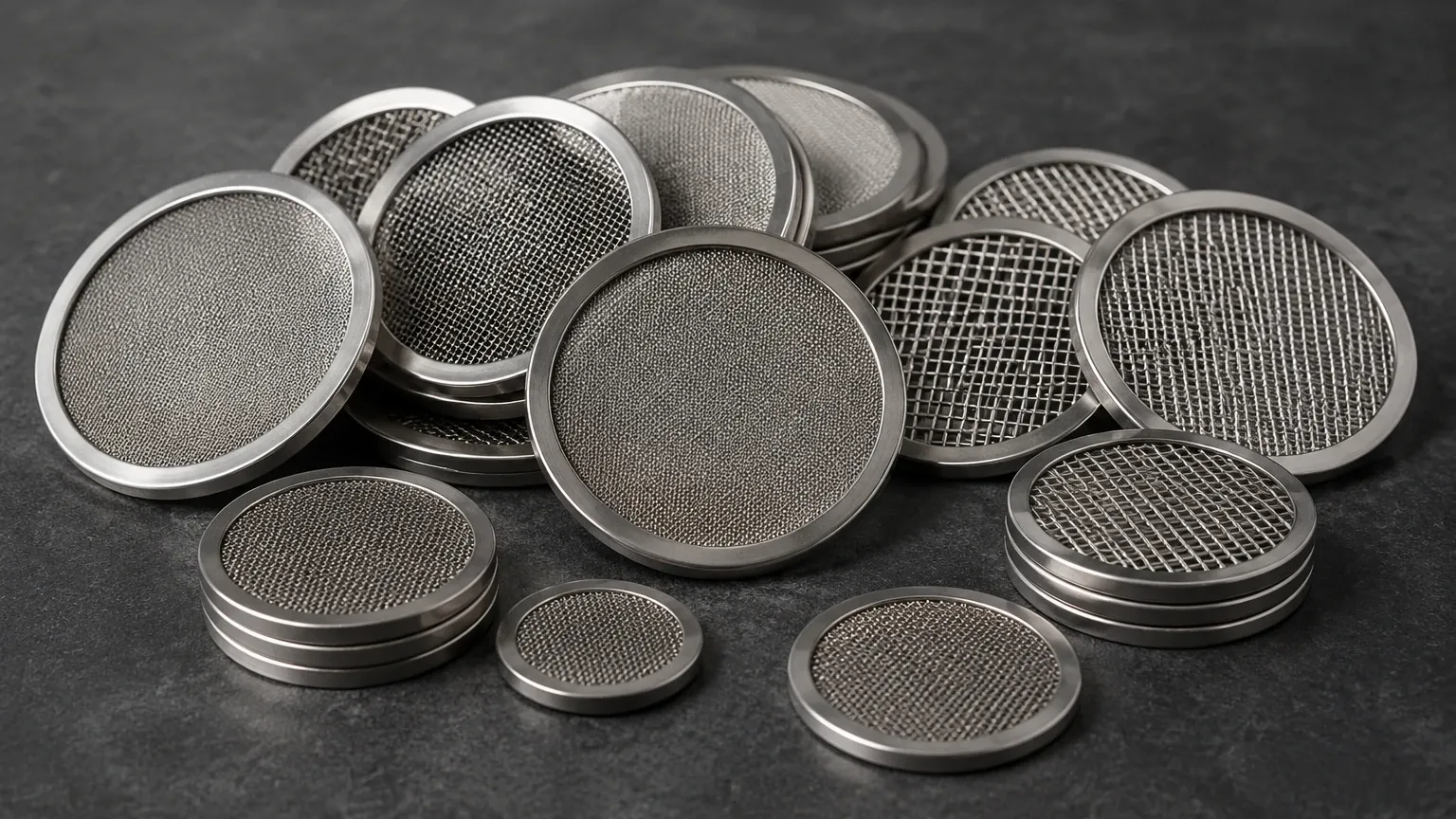
In industrial bio-processing, pharmaceutical cultivation, and specialized chemical environments, the maintenance of a controlled atmosphere is paramount. One of the most critical components in these systems is the filtration interface, often implemented through monotub filter discs. These components are designed to facilitate passive gas exchange while providing a robust barrier against airborne contaminants. For engineers and facility managers, selecting the correct Filter Discs & Packs involves a deep understanding of material science, micron ratings, and the mechanical requirements of the specific application environment.
Industrial-grade monotub filter discs are not merely barriers; they are engineered membranes that regulate the micro-climate within a reaction vessel or cultivation chamber. Whether used in large-scale mycology, aerobic fermentation, or sensitive chemical storage, these discs must balance the conflicting requirements of high airflow and high-efficiency particulate exclusion. Kaifil specializes in manufacturing these high-precision components, ensuring that every disc meets the rigorous standards required for industrial reliability.
Understanding the Role of Filter Discs in Gas Exchange
The primary function of monotub filter discs is to allow for the diffusion of gases—typically oxygen and carbon dioxide—between the internal environment of a container and the external atmosphere. In biological applications, aerobic organisms consume oxygen and release carbon dioxide. If the exchange rate is insufficient, the buildup of CO2 can inhibit growth or alter chemical reactions. Conversely, if the exchange is too rapid or unfiltered, the risk of contamination by bacteria, mold spores, or particulate matter increases exponentially.
From an engineering perspective, this process is governed by the principles of passive diffusion. Unlike active filtration systems that use fans or pumps to force air through a medium, monotub systems rely on concentration gradients. Therefore, the filter medium must have a high enough porosity to allow gas molecules to pass freely while maintaining a physical structure that traps microscopic contaminants. This is where the selection of wire mesh density and weave type becomes critical.
In many industrial setups, these discs are installed over ventilation ports in "monotubs" or similar cultivation vessels. The disc must remain securely in place, often under conditions of high humidity or fluctuating temperatures, without losing its structural integrity or filtration efficiency. This necessitates a move away from temporary solutions toward permanent, sterilizable metal filtration components.
Material Engineering: Why Stainless Steel Mesh for Filter Discs?
While synthetic materials like PTFE or Tyvek are common in low-cost applications, industrial B2B environments increasingly demand the durability of stainless steel. Stainless steel wire mesh offers several distinct advantages for monotub filter discs:
1. Thermal Stability: Industrial processes often require sterilization via autoclaving or steam-in-place (SIP) procedures. Stainless steel (typically grades 304 or 316L) can withstand repeated exposure to temperatures exceeding 121°C (250°F) without degrading, shrinking, or losing its micron rating.
2. Chemical Resistance: In pharmaceutical and chemical processing, filters may be exposed to volatile organic compounds (VOCs) or cleaning agents. 316L stainless steel provides superior resistance to corrosion and chemical attack compared to polymers.
3. Mechanical Strength: Unlike fabric or paper filters, metal mesh discs do not tear or puncture easily. They can be manufactured with reinforced edges or as part of multi-layer packs to withstand physical handling and pressure differentials.
4. Longevity and Reusability: From a total cost of ownership (TCO) perspective, a reusable stainless steel disc is often more cost-effective than a high volume of single-use synthetic filters, especially when considering the labor costs associated with frequent replacements.
Kaifil’s manufacturing process ensures that the wires are precisely woven to maintain consistent aperture sizes across the entire surface of the disc. This consistency is vital for ensuring that there are no "weak points" where contaminants could bypass the filter.
Technical Specifications and Micron Ratings for Effective Filtration
When specifying monotub filter discs, the micron rating is the most significant performance metric. For sterile gas exchange, the industry standard often leans toward a 0.2 to 0.3-micron rating, which is sufficient to block most bacteria and fungal spores. However, achieving this with a single layer of wire mesh requires advanced weave patterns.
Weave Types and Their Impact
* Plain Weave: Suitable for coarser filtration where high airflow is the priority and the risk of microscopic contamination is lower.
* Dutch Weave: This weave uses larger diameter warp wires and smaller diameter shute wires, resulting in a much tighter, denser mesh. Dutch weave is ideal for high-precision filtration because it creates a "tortuous path" for particles, significantly increasing the filtration efficiency without completely blocking gas flow.
* Sintered Mesh: For the most demanding applications, multiple layers of wire mesh are sintered (bonded by heat and pressure) together. This creates a porous metal plate that is incredibly strong and offers precise filtration across a depth of material, rather than just on a single surface.
Engineers must also consider the "open area" percentage. A higher open area allows for better gas exchange but may reduce the physical strength of the disc. In monotub applications, where the pressure differential is usually negligible, a balance is struck to ensure the disc provides sufficient surface area for diffusion while remaining rigid enough to be mounted securely.
Engineering Considerations for Custom Filter Discs & Packs
Standard sizes do not always fit the specialized ports found in custom industrial vessels. This is why customization is a core requirement for B2B procurement. When ordering Filter Discs & Packs, several design variables must be confirmed:
Diameter and Tolerances
The outer diameter (OD) of the disc must match the housing or port with high precision. In industrial settings, a gap of even a fraction of a millimeter can render the filter useless by allowing unfiltered air to bypass the mesh. Kaifil utilizes precision cutting technologies, such as laser cutting or high-speed stamping, to ensure tolerances are met consistently.
Edge Treatments
To prevent fraying and to ensure a proper seal, the edges of the filter discs can be treated in several ways:
* Spot Welding: Common in multi-layer packs to keep the layers aligned.
* Aluminum or Stainless Steel Binding: A metal rim is crimped around the edge of the disc, providing a smooth surface for gaskets to seat against and increasing the overall rigidity of the component.
* Sintered Edges: The edges are fused together, which is ideal for high-purity applications where no loose wires can be tolerated.
Layering and Depth Filtration
Single-layer discs are often sufficient for simple debris exclusion. However, for monotub filter discs intended for sterile environments, multi-layer packs are preferred. By combining a fine filtration layer with coarser support layers, the disc gains structural integrity and the ability to capture particles throughout its thickness (depth filtration), which extends the time between cleanings.
Maintenance, Sterilization, and Operational Longevity
One of the primary questions engineers face is the replacement cycle of filtration components. In industrial monotub systems, the environment is often high in moisture, which can lead to "blinding" or clogging of the filter if biological material or minerals from evaporated water accumulate on the mesh.
Cleaning Protocols
Stainless steel filter discs can be cleaned using ultrasonic baths, back-flushing with pressurized air or water, or chemical solvents. This ability to restore the filter to its original state is a major advantage over synthetic media. For facilities operating under GMP (Good Manufacturing Practice) standards, having a documented cleaning and sterilization protocol for metal filters is often simpler than managing the waste and supply chain of disposables.
Sterilization
In mycology and pharmaceutical cultivation, the entire vessel, including the filter discs, is often placed in an autoclave. Stainless steel discs are immune to the moisture-induced degradation that affects many paper-based filters. They do not become brittle over time, ensuring that the seal remains intact through dozens or even hundreds of sterilization cycles.
Procurement and Selection Guide for Industrial Applications
Choosing the right monotub filter discs requires a systematic approach to ensure the component matches the operational demands. Purchasing teams should work closely with engineering to confirm the following data points before finalizing an order:
1. Operating Environment: Will the disc be exposed to high humidity, corrosive vapors, or extreme temperatures? This determines the choice between 304 and 316L stainless steel.
2. Target Particle Size: What is the smallest contaminant that must be excluded? This dictates the micron rating and weave type.
3. Gas Exchange Requirements: How much CO2 needs to be exhausted per hour? This determines the total surface area of the filtration ports and the required porosity of the mesh.
4. Mounting Method: How will the disc be attached? Whether it is via a threaded cap, a friction fit, or a gasketed flange, the edge treatment of the disc must be compatible with the mounting hardware.
5. Regulatory Compliance: For food and beverage or pharmaceutical applications, the materials must be FDA-compliant and free of manufacturing oils or residues.
By addressing these factors, companies can avoid the common risks of crop loss, batch contamination, or frequent system downtime. High-quality filtration is an investment in process stability.
Conclusion: Optimizing Filtration with Kaifil
The efficiency of a controlled environment vessel is only as reliable as its weakest point. In many cases, that point is the gas exchange interface. By utilizing professionally engineered monotub filter discs, industrial operators can ensure a consistent, sterile, and breathable environment for their sensitive processes.
Kaifil’s expertise in Filter Discs & Packs allows for the creation of customized solutions that meet the exact specifications of modern industrial applications. From material selection to precision manufacturing and edge finishing, every aspect of the disc is designed to provide maximum performance and durability. For engineers looking to optimize their filtration systems, focusing on the technical details of mesh weave, micron ratings, and material grade is the key to achieving long-term operational success. Whether you are scaling up a biological laboratory or managing a large-scale chemical processing plant, the right filtration component is a fundamental building block of a robust production environment.
