


Micropore Tape vs Filter Discs
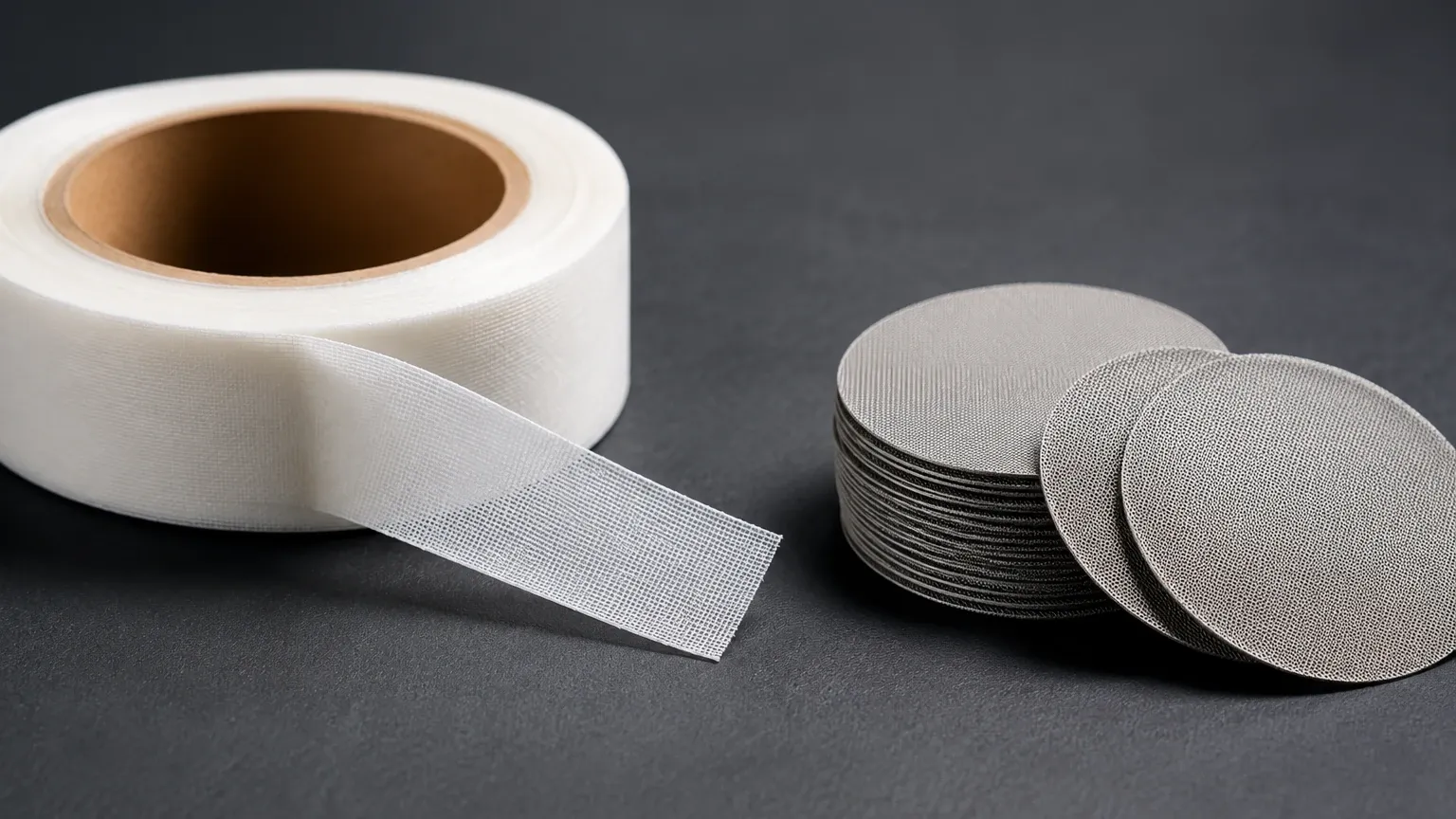
In industrial filtration and gas exchange applications, maintaining a sterile environment while allowing for consistent airflow is a critical engineering challenge. Whether in pharmaceutical fermentation, specialized chemical processing, or large-scale cultivation, the choice of barrier material directly impacts the success of the operation. Two common solutions often compared in these contexts are micropore tape and professional-grade filter discs.
While micropore tape is frequently used in hobbyist or low-stakes environments, industrial engineers and facility managers require the precision and durability offered by Filter Discs & Packs. This article provides a technical analysis of micropore tape vs filter discs, evaluating their performance, reliability, and suitability for demanding industrial environments.
Understanding Gas Exchange in Industrial Processes
Gas exchange is the process of allowing air or specific gases to enter or exit a container while preventing the ingress of contaminants such as dust, spores, or bacteria. In industrial settings, this must often occur under varying conditions of pressure, temperature, and humidity.
Effective filtration in these scenarios relies on two primary factors: pore size and material integrity. The pore size determines what can pass through the barrier, while material integrity ensures that the barrier does not degrade or fail when exposed to sterilization cycles or chemical vapors. When evaluating micropore tape vs filter discs, engineers must consider whether the material can maintain a consistent micron rating over its entire service life.
Micropore Tape: Capabilities and Industrial Limitations
Micropore tape is a breathable, adhesive-backed tape typically made from non-woven rayon or paper. It was originally designed for medical applications, such as securing dressings to skin while allowing the skin to "breathe." Because it is inexpensive and readily available, it has been adopted in some low-pressure gas exchange applications.
Advantages of Micropore Tape
* Cost-Effectiveness: For small-scale testing or disposable setups, the initial cost of tape is very low.
* Ease of Application: It can be cut to size and adhered to various surfaces without specialized housing.
* Availability: It is a commodity product found in most medical supply chains.
Industrial Limitations
Despite its convenience, micropore tape presents several risks in a professional B2B context. First, it lacks a standardized, certified micron rating. While it may block some contaminants, it cannot guarantee the 0.22-micron or 0.45-micron filtration levels often required for sterilization.
Second, the adhesive is a significant point of failure. In humid environments or during autoclaving (steam sterilization), the adhesive can soften, migrate, or lose its bond entirely. This leads to bypass—where unfiltered air enters the system—rendering the filtration attempt useless. Furthermore, the paper or rayon fibers can shed, introducing particulate contamination into the very process they were meant to protect.
Industrial Filter Discs & Packs: Engineering and Performance
Professional Filter Discs & Packs are engineered specifically for industrial filtration. These components are typically manufactured from stainless steel wire mesh (304, 316, or 316L), sintered metal, or specialized synthetic membranes like PTFE. Unlike tape, these discs are designed to be integrated into mechanical housings, ensuring a leak-proof seal.
Material Composition and Durability
Industrial filter discs are often constructed using multiple layers of wire mesh. These layers are precisely woven to achieve specific filtration accuracies. In many cases, these layers are sintered together—a process of heat and pressure that fuses the wires at their contact points without melting them. This creates a rigid, porous structure that cannot shift or deform under pressure.
Key Performance Benefits
* Precise Micron Ratings: Industrial discs are available with certified pore sizes, ranging from coarse filtration to sub-micron levels.
* High Temperature Resistance: Stainless steel filter discs can withstand temperatures exceeding 400°C, making them ideal for repeated sterilization via autoclave or dry heat.
* Mechanical Strength: Unlike tape, which can tear or burst under pressure, metal filter discs maintain their structural integrity even in high-pressure hydraulic or pneumatic systems.
* Chemical Compatibility: Stainless steel is resistant to a wide range of solvents, acids, and bases, ensuring the filter does not degrade during chemical cleaning or processing.
Technical Comparison: Micropore Tape vs Filter Discs
When conducting a side-by-side comparison of micropore tape vs filter discs, the differences in engineering intent become clear. The following criteria are essential for any technical evaluation:
1. Filtration Efficiency and Consistency
Micropore tape relies on a random orientation of fibers. This results in inconsistent pore sizes across the surface of the tape. In contrast, stainless steel wire mesh filter discs feature a uniform weave pattern. This uniformity ensures that the flow rate and filtration efficiency are predictable across the entire surface area of the disc.
2. Sterilization and Reusability
In pharmaceutical and food processing, equipment must be sterilized frequently. Micropore tape is a single-use item that often fails during the first sterilization cycle. Stainless steel Filter Discs & Packs are designed for hundreds of sterilization cycles. They can be cleaned using ultrasonic baths, back-flushing, or chemical solvents, making them a more sustainable and reliable long-term solution.
3. Moisture and Humidity Resistance
Micropore tape is highly susceptible to moisture. When the fibers become wet, the pore structure collapses, significantly reducing gas exchange (airflow) and increasing the risk of contamination soak-through. Professional filter discs, particularly those made from hydrophobic materials or high-grade stainless steel, maintain their airflow characteristics even in saturated environments.
Material Selection and Chemical Compatibility
Selecting the right material is the first step in optimizing a filtration system. While micropore tape offers no material variety beyond basic paper or plastic, industrial filter discs can be customized to the specific chemistry of the application.
* AISI 304 Stainless Steel: Suitable for general industrial use where basic corrosion resistance is required.
* AISI 316L Stainless Steel: The standard for pharmaceutical and food-grade applications due to its superior resistance to pitting and corrosion, especially in the presence of chlorides.
* Sintered Metal: Best for high-pressure applications where the filter must act as a structural component or where extremely fine filtration (down to 0.5 microns) is required.
* Multi-layer Mesh Packs: Used when high dirt-holding capacity is needed. By layering different mesh counts, the filter can capture larger particles on the outer layers and finer particles in the core.
Cost Analysis: Initial vs. Total Lifecycle Cost
At a glance, micropore tape appears to be the more cost-effective option. A roll of tape costs a fraction of a precision-engineered stainless steel filter disc. However, for B2B operations, the total cost of ownership (TCO) tells a different story.
The Cost of Failure
In an industrial bioreactor or a chemical batch, a single contamination event caused by a failing adhesive on micropore tape can result in the loss of an entire production run. The cost of lost raw materials, labor, and downtime far outweighs the investment in professional filtration hardware.
Replacement Frequency
Micropore tape must be replaced after every use and often checked during the process for signs of peeling. Filter discs are permanent or semi-permanent components. When the cost of labor for frequent replacement and the risk of human error are factored in, stainless steel filter discs often prove to be the more economical choice over a 12-month period.
Best Practices for Installation and Maintenance
To maximize the performance of Filter Discs & Packs, proper installation is paramount. Unlike tape, which is simply pressed onto a surface, filter discs should be secured using a mechanical seal.
1. Sealing: Use O-rings or gaskets compatible with your process fluid or gas. This ensures that 100% of the flow passes through the filter media rather than around the edges.
2. Orientation: In multi-layer packs, ensure the disc is installed in the correct flow direction. Usually, the coarser mesh faces the incoming flow to protect the finer internal layers.
3. Cleaning Cycles: Establish a regular cleaning schedule based on pressure drop (differential pressure). When the pressure drop across the disc reaches a pre-defined limit, it is time to clean or replace the component.
4. Inspection: Periodically inspect discs for signs of mechanical wear or "blinding" (permanent clogging). Stainless steel discs are robust, but abrasive particles at high velocities can eventually cause erosion.
Conclusion: Making the Informed Choice
In the debate of micropore tape vs filter discs, the decision hinges on the required level of risk management and process control. Micropore tape may suffice for atmospheric venting in non-critical, short-term applications. However, for any industrial process where sterility, pressure integrity, and long-term reliability are required, professional filter discs are the only viable solution.
By choosing high-quality stainless steel Filter Discs & Packs, engineers can ensure consistent gas exchange, prevent costly contamination events, and benefit from a durable component that withstands the rigors of industrial sterilization and cleaning. When precision and performance are non-negotiable, investing in engineered filtration components is the standard for operational excellence.
