


N Filter
In the landscape of industrial separation technology, the term "n filter" often refers to the multi-layered or multi-stage filtration configurations essential for high-precision processing. Whether in the extrusion of polymers, the refinement of chemicals, or the production of pharmaceuticals, the efficiency of a filtration system is frequently determined by its structural complexity—specifically the number and arrangement of its functional layers. For engineers and procurement specialists, understanding the mechanics of these configurations is vital for optimizing throughput and ensuring the longevity of downstream equipment.
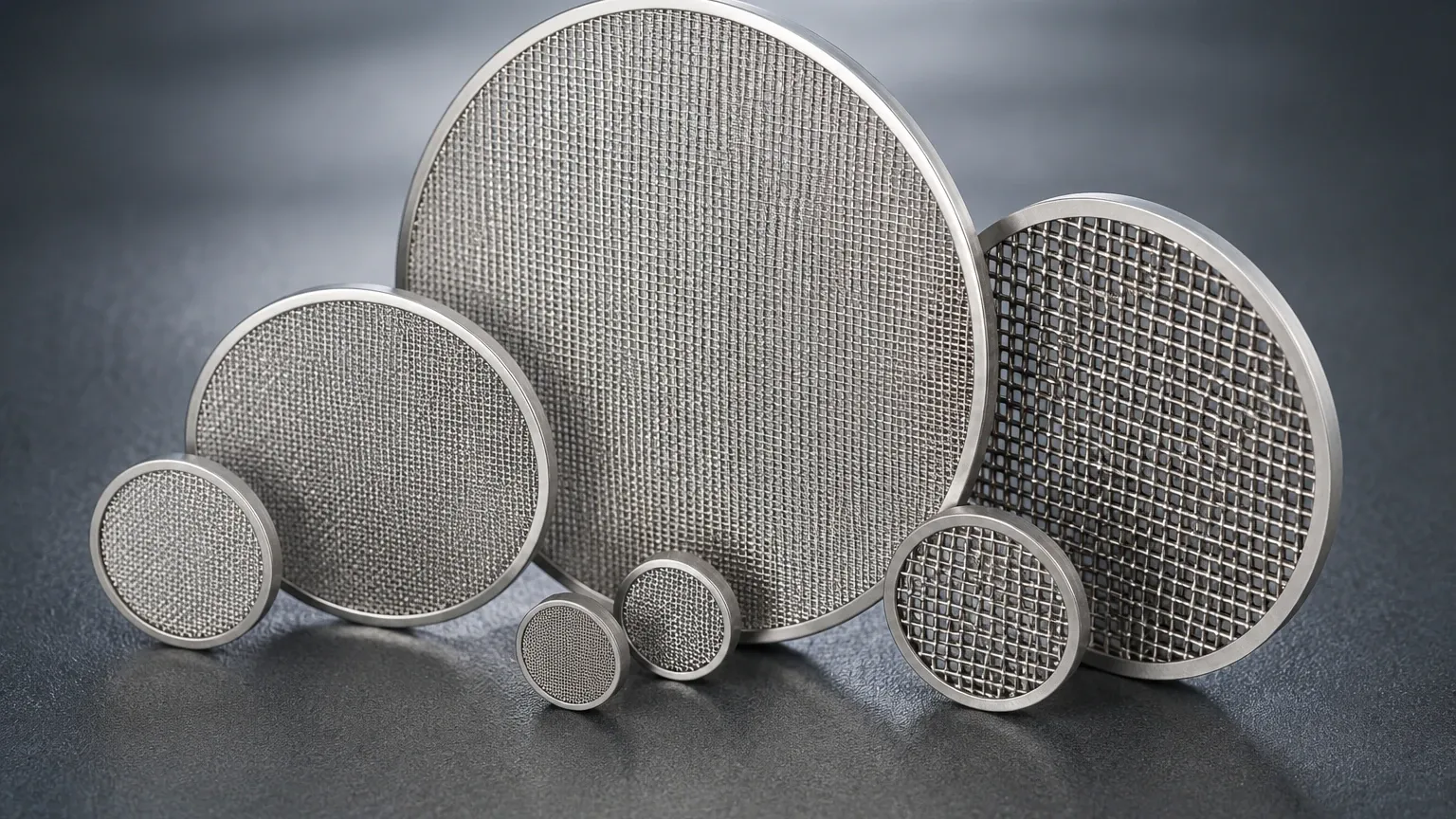
At the core of these high-performance systems are Filter Discs & Packs, which serve as the primary barrier against contaminants. These components are rarely simple single-layer meshes; instead, they are engineered assemblies designed to handle specific flow rates, pressure differentials, and particle size distributions. This article explores the technical nuances of n filter configurations, material selection, and the engineering considerations that drive industrial filtration performance.
Understanding the N Filter Architecture in Industrial Processes
The "n" in n filter typically signifies the variable number of layers used in a composite filter pack. In industrial engineering, a single layer of wire mesh is often insufficient for demanding applications because it lacks the mechanical strength to withstand high pressures or the depth required for effective particle retention. By stacking multiple layers—the "n" layers—manufacturers can create a graduated filtration effect.
In a typical multi-layer pack, the layers are arranged strategically:
1. The Filtration Layer: This is the core mesh that determines the micron rating. It is selected based on the smallest particle size that must be removed from the process stream.
2. Support Layers: These are coarser meshes placed on either side of the filtration layer. They provide mechanical stability, preventing the fine mesh from deforming or collapsing under the force of the fluid flow.
3. Drainage Layers: In complex n filter assemblies, drainage layers facilitate the even distribution of the fluid across the entire surface area of the filter, reducing localized pressure buildup and extending the service life of the component.
By manipulating the number of layers (n), engineers can customize the dirt-holding capacity and the pressure drop characteristics of the filter to match the specific requirements of the machinery, such as plastic extruders or hydraulic power units.
Material Engineering: Selecting the Right Alloy for Durability
The performance of an n filter is inextricably linked to the metallurgy of the wire mesh. Stainless steel is the industry standard due to its balance of mechanical strength and chemical resistance. However, the specific grade of stainless steel must be chosen based on the operating environment.
* AISI 304: The most common grade, offering excellent strength and basic corrosion resistance. It is suitable for food and beverage applications and general industrial use where high acidity or chloride levels are not present.
* AISI 316 and 316L: These grades contain molybdenum, which significantly enhances resistance to pitting and crevice corrosion in chloride-rich environments. 316L (low carbon) is preferred for welded assemblies to prevent carbide precipitation, ensuring the integrity of the filter pack during long-term exposure to harsh chemicals.
* Specialty Alloys: For extreme environments involving high temperatures or highly corrosive media, alloys such as Monel, Inconel, or Hastelloy may be employed. These materials ensure that the n filter does not degrade prematurely, which would otherwise lead to process contamination.
When specifying materials for Filter Discs & Packs, it is also essential to consider the surface finish. Passivation or electropolishing can be applied to stainless steel components to further enhance corrosion resistance and improve the ease of cleaning.
Structural Integrity: Sintered vs. Layered Mesh Packs
How the layers of an n filter are joined together is a critical engineering decision. The two primary methods are mechanical layering (often spot-welded or bound) and diffusion bonding (sintering).
Spot-Welded and Bound Packs
For many standard applications, multiple layers of wire mesh are stacked and secured using spot welding at the perimeter or by using a metal rim (binding) made of aluminum, stainless steel, or copper. This method is cost-effective and allows for a high degree of flexibility in the combination of meshes. These packs are commonly used in the plastics and rubber industries where the filters are replaced frequently as part of routine maintenance.
Sintered Metal Mesh
In more demanding environments, the n filter layers undergo a process called vacuum sintering. Under high heat and pressure, the contact points of the wires fuse together without the need for filler metals. This creates a monolithic structure that is incredibly robust. Sintered filter discs offer superior mechanical strength, precise pore size distribution, and the ability to be cleaned and reused multiple times. They are the preferred choice for high-pressure hydraulic systems and pharmaceutical filtration where fiber migration must be strictly avoided.
Technical Specifications: Micron Ratings and Weave Types
The efficacy of an n filter is defined by its micron rating, which indicates the size of the particles it can effectively trap. However, the micron rating is influenced by the weave type of the wire cloth used in the assembly.
* Plain Weave: The simplest pattern where wires cross over and under each other. It provides a high open area and is easy to clean, but it is generally limited to coarser filtration tasks.
* Dutch Weave (Plain and Twill): These weaves use different diameters for the warp and weft wires, resulting in a much denser mesh. Dutch weaves are capable of achieving very fine micron ratings (down to 5-10 microns) while maintaining high mechanical strength. This is often the "functional" layer in a multi-stage n filter.
* Twill Weave: This allows for thicker wires to be used for a given mesh count, providing greater durability for high-pressure applications.
Engineers must balance the "absolute" micron rating (the size of the largest particle that can pass through) with the "nominal" rating (an average retention efficiency) based on the sensitivity of the downstream components.
Optimizing Throughput with Custom Filter Discs & Packs
One of the primary challenges in industrial filtration is managing the trade-off between filtration fineness and pressure drop. As the micron rating of an n filter becomes finer, the resistance to flow increases. If the pressure drop is too high, it can lead to energy inefficiency, reduced production speeds, or even mechanical failure of the filter.
Customization is the solution to this challenge. By working with a manufacturer to design specific Filter Discs & Packs, engineering teams can optimize the layer sequence to maximize the effective filtration area. For instance, using a "pleated" disc design can significantly increase the surface area within the same footprint, allowing for a finer n filter configuration without a prohibitive increase in pressure drop.
Furthermore, the choice of binding material and edge treatment can prevent bypass—where unfiltered fluid escapes around the edges of the filter. Precision-cut discs, often produced via laser or CNC stamping, ensure a perfect fit within the filter housing, which is critical for maintaining process integrity.
Industrial Applications and Compatibility
The versatility of n filter configurations allows them to be deployed across a wide range of sectors:
* Chemical Processing: Used to protect catalysts and remove impurities from corrosive reagents. The use of 316L stainless steel ensures compatibility with a broad spectrum of chemicals.
* Food and Beverage: In these applications, the filters must meet stringent hygiene standards. Stainless steel n filters are ideal because they are non-toxic, easy to sterilize, and do not shed fibers into the product stream.
* Polymer Extrusion: Filter packs are essential for removing gels and un-melted particles from plastic resins. The high temperatures and pressures of extrusion require packs with reinforced support layers.
* Pharmaceuticals: Precision is paramount here. Sintered n filters provide the exact pore size control needed for the filtration of active pharmaceutical ingredients (APIs).
Maintenance, Cleaning, and Lifecycle Management
For many B2B operations, the total cost of ownership (TCO) of filtration components is a key metric. While some n filter packs are designed as consumables, others—particularly sintered versions—are designed for long-term use.
Cleaning Protocols
Stainless steel filters can often be restored through various cleaning methods:
* Ultrasonic Cleaning: Uses high-frequency sound waves to dislodge particles from deep within the mesh layers.
* Chemical Cleaning: Involves soaking the filters in solvents or acids that dissolve the specific contaminants without damaging the stainless steel.
* Burn-off (Pyrolysis): Commonly used in the plastics industry to remove polymer residue by heating the filter in a controlled environment.
Replacement Indicators
Engineers should monitor the differential pressure (ΔP) across the filter. When the ΔP reaches a predetermined threshold, it indicates that the n filter is loaded with contaminants and requires either cleaning or replacement. Establishing a regular maintenance cycle based on these technical indicators prevents unplanned downtime and protects expensive machinery from damage caused by bypass or filter collapse.
Conclusion: Selecting the Optimal Filtration Solution
Choosing the right n filter is not a matter of simply picking a micron rating. It requires a comprehensive evaluation of the fluid dynamics, chemical environment, and mechanical stresses of the application. By focusing on the structural integrity and material science behind Filter Discs & Packs, purchasing teams can secure components that not only meet their filtration goals but also contribute to a more efficient and cost-effective production line.
When evaluating suppliers, it is important to confirm their ability to provide custom configurations, material certifications, and technical support. A well-engineered filtration component is a small but vital investment in the overall reliability of industrial operations. Whether you are looking for standard spot-welded packs or complex sintered multi-layer discs, the goal remains the same: achieving precise separation with maximum durability.
