


What Are Coffee Filter Packs
In the context of industrial food and beverage processing, the term "coffee filter packs" often refers to a broad spectrum of filtration solutions ranging from consumer-grade disposables to high-precision, reusable stainless steel components. For engineers and procurement professionals in the commercial coffee extraction and processing sectors, understanding the technical nuances of these packs is essential for maintaining product consistency, optimizing flow rates, and ensuring the longevity of processing equipment.
While a consumer might associate a coffee filter pack with a simple paper pouch containing pre-measured grounds, the industrial definition is far more rigorous. In large-scale extraction, Filter Discs & Packs are precision-engineered metal components designed to withstand high pressures, corrosive environments, and repetitive cleaning cycles. These industrial filter packs are critical in applications such as commercial espresso machines, cold brew extraction systems, and the production of instant coffee or coffee concentrates.
The Role of Stainless Steel Filter Discs & Packs in Beverage Processing
Industrial coffee filtration requires a level of precision that organic fibers like paper or cloth cannot consistently provide. Stainless steel filter packs are the industry standard for high-volume extraction because they offer superior mechanical strength and chemical resistance. When discussing what are coffee filter packs in a B2B environment, we are typically referring to multi-layer wire mesh structures or sintered metal discs.
These components serve several critical functions:
1. Solids Retention: They ensure that fine coffee particles (fines) do not pass into the final liquid, which would result in a gritty texture or unintended secondary extraction.
2. Flow Regulation: By providing a consistent pore structure, these packs ensure that water or solvent passes through the coffee bed at a controlled rate, which is vital for flavor profile consistency.
3. Pressure Management: In espresso or high-pressure extraction, the filter pack must resist deformation under significant hydraulic force.
By utilizing stainless steel Filter Discs & Packs, manufacturers can achieve a level of filtration accuracy measured in microns, ensuring that only the desired oils and solubles reach the final product.
Engineering Specifications: Materials and Weave Types
Selecting the right industrial filter pack begins with understanding the materials and the geometry of the wire mesh. Most industrial coffee filtration systems utilize T304 or T316L stainless steel. T316L is often preferred for coffee extraction due to its enhanced resistance to the organic acids found in coffee, which can cause pitting or stress corrosion in lower-grade metals over time.
Wire Mesh Weave Variations
The performance of a filter pack is largely determined by the weave of the wire mesh. Common weaves include:
* Plain Weave: A simple over-under pattern that provides high flow rates but lower structural rigidity. It is often used for coarse filtration or as a support layer.
* Dutch Weave: This weave uses larger diameter wires in the warp and smaller wires in the shute, creating a dense, strong mesh with very small triangular openings. This is ideal for fine filtration where pressure resistance is paramount.
* Twilled Weave: Used for finer meshes, this allows for a heavier wire to be used for a given mesh count, increasing the durability of the filter pack.
Micron Ratings and Porosity
When engineers evaluate what are coffee filter packs, they look specifically at the micron rating. For coffee, this typically ranges from 10 microns for ultra-fine sediment control to 150 microns for coarse primary extraction. The goal is to balance the "open area" (which dictates flow rate) with the "filtration accuracy" (which dictates sediment control).
The Advantage of Multi-Layer Sintered Filter Packs
In many demanding industrial applications, a single layer of wire mesh is insufficient. This is where multi-layer sintered filter packs come into play. Sintering is a process where multiple layers of wire mesh are bonded together using heat and pressure without the use of adhesives or binders. This creates a monolithic structure that combines the benefits of different mesh types.
Structural Composition
A typical multi-layer pack might consist of:
* The Filtration Layer: A fine mesh (e.g., Dutch weave) that defines the micron rating.
* The Support Layer: A coarser mesh that provides mechanical strength and prevents the filtration layer from collapsing under pressure.
* The Drainage Layer: A layer designed to facilitate the even flow of liquid away from the filtration surface.
This multi-layer approach ensures that the filter pack remains flat and functional even when subjected to backwashing or high-pressure extraction cycles. It significantly extends the service life of the component compared to single-layer alternatives.
Comparison: Disposable vs. Permanent Industrial Filter Packs
While disposable paper or polymer filter packs are common in small-scale operations, industrial facilities must consider the Total Cost of Ownership (TCO) and environmental impact.
Total Cost of Ownership
Disposable filters represent a recurring operational expense. In contrast, stainless steel Filter Discs & Packs require a higher initial investment but can be cleaned and reused for years. When factoring in the costs of procurement, storage, and disposal of thousands of paper filters, permanent metal solutions often prove more cost-effective within the first 12 to 18 months of operation.
Performance Consistency
Paper filters can vary in thickness and porosity between batches. They can also absorb essential coffee oils, altering the flavor profile of the extract. Stainless steel is inert; it does not absorb oils or impart any flavor to the beverage. This ensures that the sensory profile of the coffee remains consistent from the first batch to the thousandth.
Sustainability
Modern ESG (Environmental, Social, and Governance) goals are driving many food and beverage producers away from single-use plastics and papers. Reusable metal filter packs align with zero-waste initiatives and reduce the carbon footprint associated with the logistics of disposable filter supplies.
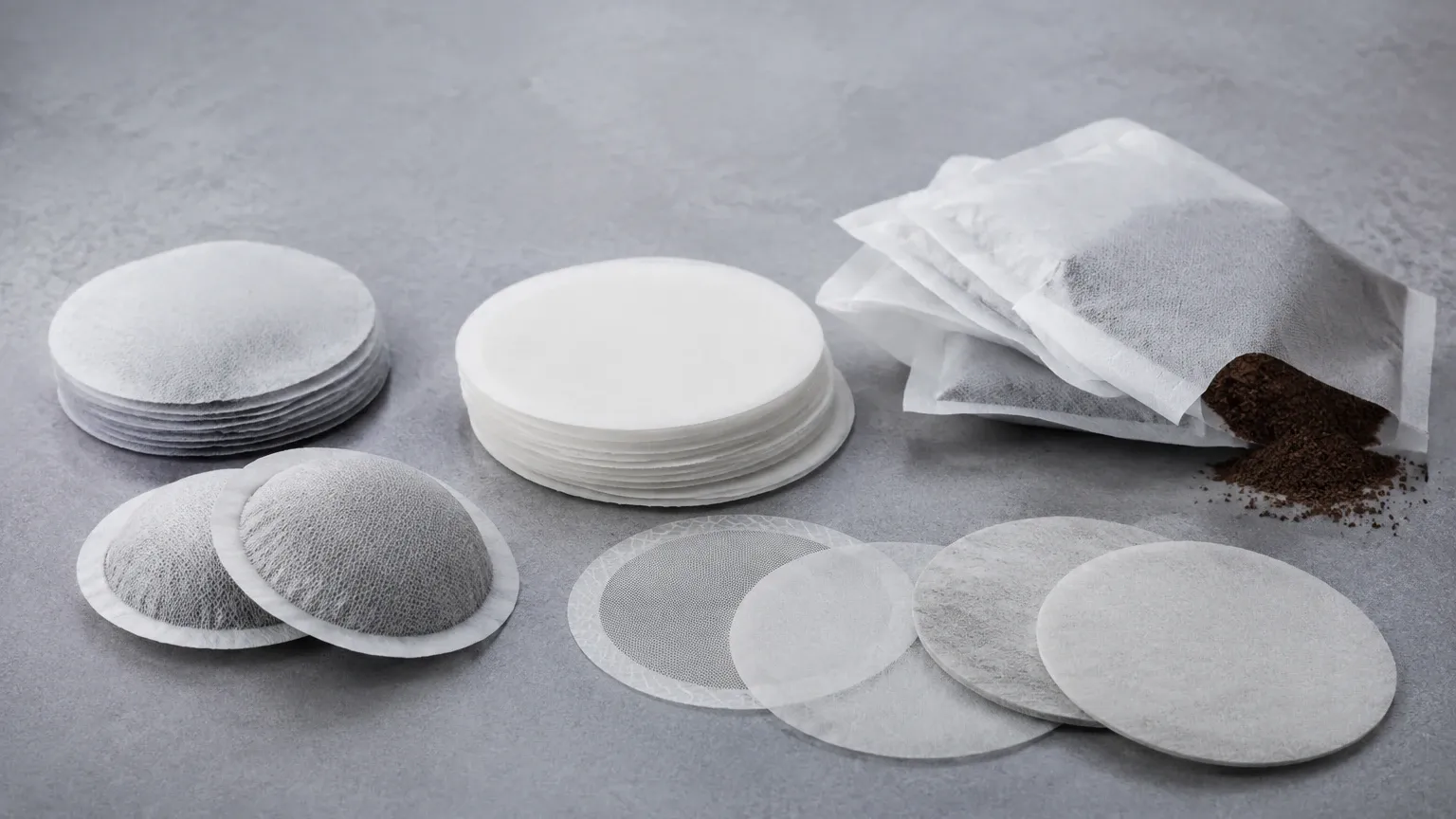
Selecting the Right Filter Discs for Your Application
Choosing the correct filter pack is not a one-size-fits-all process. Engineers must confirm several variables before finalizing a design:
1. Operating Pressure: Will the filter be used in a gravity-fed system or a high-pressure extraction chamber? This determines the necessary thickness and the number of support layers.
2. Particle Size Distribution: What is the grind size of the coffee? The micron rating of the filter pack must be slightly smaller than the smallest particles intended to be retained to prevent "blinding" (clogging of the pores).
3. Cleaning Protocols: Will the filters be cleaned via Clean-in-Place (CIP) systems, ultrasonic baths, or manual scrubbing? The mesh must be robust enough to survive these processes without losing its structural integrity.
4. Housing Compatibility: Customization is often required to ensure the filter pack fits perfectly within the existing machinery. This includes specific outer diameters, thicknesses, and edge treatments (such as aluminum or stainless steel rims) to prevent bypass.
Common Risks and Maintenance Considerations
Even the highest quality stainless steel filter packs are subject to operational risks if not managed correctly. The primary concern in coffee filtration is "blinding." Coffee contains oils and fine particulates that can wedge themselves into the mesh pores. Over time, this reduces the effective open area, leading to increased pressure drops and reduced flow rates.
Prevention and Cleaning
To mitigate blinding, regular maintenance is required. For industrial Filter Discs & Packs, this often involves:
* Backwashing: Reversing the flow of liquid to push particles out of the mesh.
* Chemical Cleaning: Using food-safe caustic or acidic solutions to dissolve accumulated oils and mineral deposits.
* Ultrasonic Cleaning: Using high-frequency sound waves in a liquid bath to dislodge microscopic particles from deep within the mesh structure.
Another risk is "bypass," where liquid flows around the edges of the filter rather than through it. This is usually caused by improper sizing or the lack of a proper sealing gasket or rim. Ensuring precision manufacturing tolerances is the only way to prevent bypass in high-pressure systems.
Conclusion: Why Specification Matters
Understanding what are coffee filter packs in an industrial context allows engineers to move beyond simple procurement and toward process optimization. By selecting precision-engineered stainless steel Filter Discs & Packs, facilities can improve the clarity of their product, maintain consistent flavor profiles, and reduce long-term operational costs.
When evaluating filtration solutions, it is essential to partner with a manufacturer that understands the intersection of material science and food-grade requirements. Customization—whether in the form of specific micron ratings, multi-layer sintering, or specialized rim designs—is often the key to achieving peak performance in demanding beverage processing environments. By confirming the technical requirements of your specific extraction process, you can ensure that your filtration system remains a reliable asset rather than a bottleneck in your production line.
