


Z Filter
In the landscape of industrial filtration, the term "z filter" frequently refers to specialized filtration geometries or configurations designed to maximize surface area and structural integrity within constrained spaces. For engineers and procurement specialists in high-demand sectors like polymer processing, chemical manufacturing, and hydraulic systems, understanding the mechanics of these configurations is essential for optimizing process efficiency. While the "Z" designation can refer to specific pleating patterns or stacking arrangements, its primary objective remains consistent: providing superior filtration performance under high-pressure and high-temperature conditions.
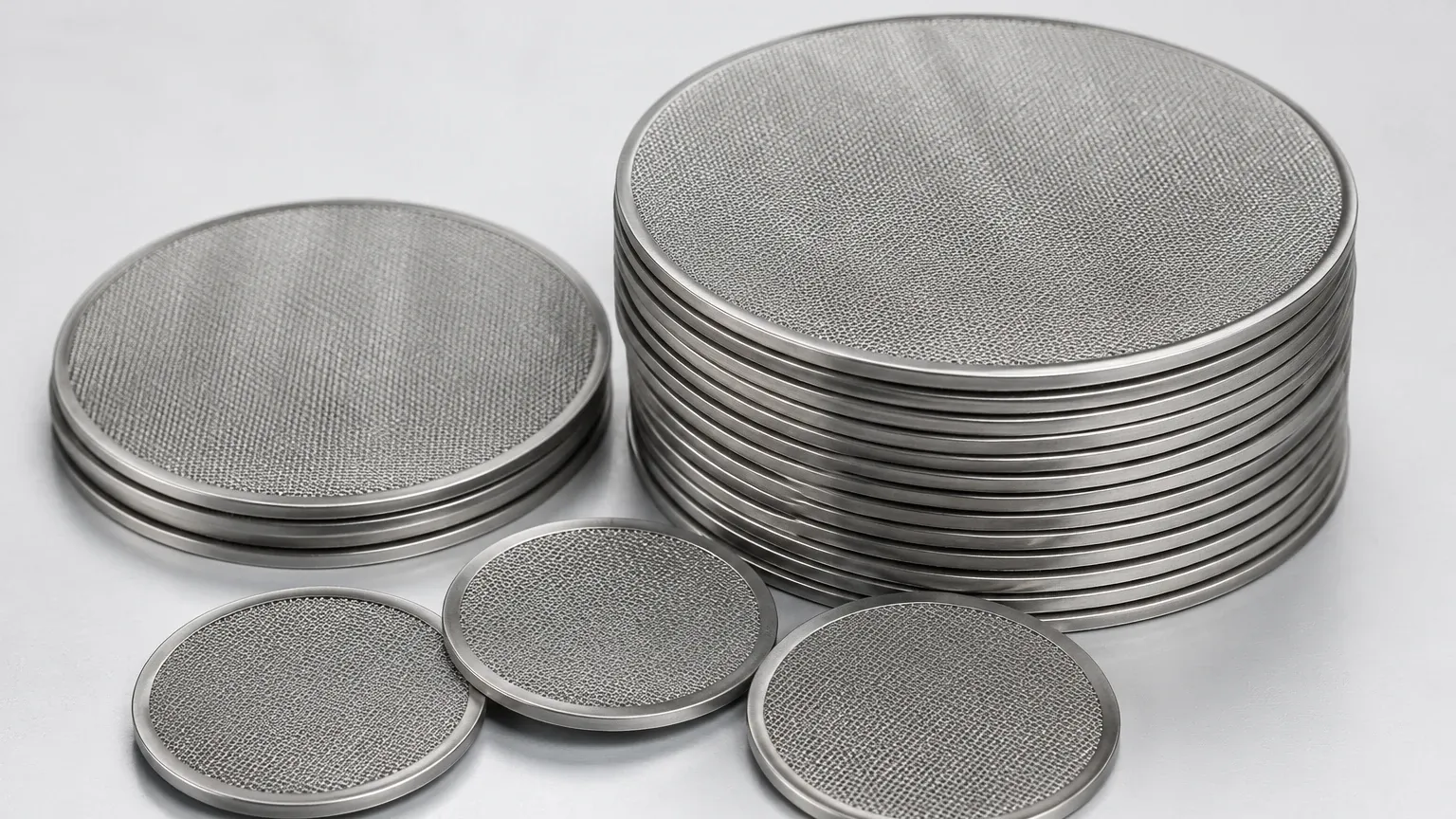
At the core of these high-performance systems are Filter Discs & Packs, which serve as the functional media in many z-pattern and multi-stage filtration assemblies. This guide explores the technical considerations, material engineering, and application-specific requirements that define the selection and implementation of these critical components.
Technical Principles of Z-Configuration Filtration
The engineering logic behind a z filter configuration—whether it is a Z-pleat or a specific stacked disc arrangement—is centered on the Effective Filtration Area (EFA). In industrial processes where fluid viscosity is high or flow rates are aggressive, a standard flat filter may succumb to rapid pressure buildup or premature blinding.
By utilizing a Z-shaped geometry, manufacturers can significantly increase the surface area available for particle capture without increasing the overall footprint of the filter housing. This design provides several technical advantages:
1. Reduced Flux Rates: By spreading the flow over a larger surface area, the velocity of the fluid passing through the mesh (the flux) is lowered. This reduces the mechanical stress on the wire mesh and improves the efficiency of particle retention.
2. Extended Service Life: A larger EFA translates directly to a higher dirt-holding capacity. This means longer intervals between maintenance cycles and lower total cost of ownership (TCO).
3. Structural Rigidity: The "Z" fold or stack provides inherent mechanical strength, helping the filter media resist deformation under high differential pressures ($ΔP$).
Material Selection and Engineering for Industrial Filters
The performance of a z filter is only as reliable as the materials used in its construction. In industrial environments involving corrosive chemicals or extreme temperatures, stainless steel is the industry standard. Most high-precision filter components are manufactured using AISI 304 or 316L stainless steel.
Stainless Steel 316L
316L is preferred for applications involving pharmaceuticals, food and beverage, or aggressive chemical processing. The "L" denotes low carbon content, which minimizes carbide precipitation during welding, ensuring that the filter remains resistant to intergranular corrosion. This is particularly important for multi-layer packs that require spot welding or rim binding.
Woven Wire Mesh vs. Sintered Metal
The choice between woven wire mesh and sintered metal fiber depends on the specific filtration requirements. Woven wire mesh provides precise pore sizes and is ideal for surface filtration. Sintered metal, on the other hand, offers a porous depth-filtration medium that can withstand even higher pressures and provides excellent permeability. Many advanced Filter Discs & Packs utilize a combination of both: a fine mesh layer for precision, supported by coarser mesh or sintered layers for structural reinforcement.
The Role of Filter Discs & Packs in Z-Pattern Systems
In many industrial assemblies, the "z filter" effect is achieved by stacking multiple filter discs or using complex pack configurations. These packs are engineered to act as a single filtration unit, often consisting of several layers of varying mesh counts.
Layer Stratification
A typical high-performance pack might include:
* The Filtration Layer: The finest mesh, determined by the required micron rating (e.g., 5μm, 20μm, or 100μm).
* The Support Layer: A coarser mesh that prevents the filtration layer from collapsing under pressure.
* The Drainage Layer: A very coarse mesh that ensures uniform fluid distribution across the entire surface of the filter.
Rim and Border Options
To ensure a proper seal within the filter housing and to prevent bypass, these packs are often finished with a metal rim. Common materials for borders include aluminum, stainless steel, or copper, depending on the chemical compatibility and the operating temperature of the system. A secure rim also prevents the fraying of wire mesh edges, which is a critical safety consideration in food and pharmaceutical applications.
Application-Specific Considerations
When specifying a z filter or its component discs, engineers must evaluate the specific demands of their industry. Different sectors prioritize different performance metrics.
Polymer and Plastic Extrusion
In polymer melt filtration, the filters must withstand immense pressure and high temperatures (often exceeding 300°C). The "Z" configuration or multi-layer packs are used to remove gels and degraded polymer particles that could compromise the quality of the final product. Here, the mechanical strength of the mesh is paramount.
Chemical and Petrochemical Processing
Corrosion resistance is the primary concern in this sector. The use of specialized alloys and precise welding techniques ensures that the filter does not degrade when exposed to acidic or alkaline streams. Engineers often look for filters that can be cleaned and reused, such as those made from high-grade stainless steel wire mesh.
Hydraulic and Lubrication Systems
In hydraulic systems, maintaining fluid cleanliness is vital for the longevity of pumps and valves. Z-pattern filters are used to provide high-efficiency filtration in a compact space, ensuring that even microscopic contaminants are captured before they can cause component wear.
Evaluating Filter Performance: Key Metrics
Before purchasing or specifying a z filter solution, technical teams should confirm several key performance indicators (KPIs) with their manufacturer:
* Micron Rating (Absolute vs. Nominal): An absolute rating indicates the size of the largest particle that can pass through the filter, while a nominal rating represents a percentage of particles retained. For critical applications, absolute ratings are generally required.
* Pressure Drop ($ΔP$): This is the difference in pressure between the upstream and downstream sides of the filter. A high initial pressure drop indicates that the filter may be undersized for the flow rate or that the mesh is too restrictive.
* Bubble Point Test: This is a standard method used to verify the integrity of a filter and its pore size. It measures the pressure required to force air through a liquid-saturated filter.
* Dirt Holding Capacity: This determines how much contaminant the filter can hold before the pressure drop reaches a critical limit, necessitating cleaning or replacement.
Maintenance, Cleaning, and Replacement Cycles
One of the primary advantages of stainless steel Filter Discs & Packs is their cleanability. Unlike disposable synthetic filters, metal filters can often be restored to near-original performance levels through various cleaning methods:
1. Ultrasonic Cleaning: Uses high-frequency sound waves to create cavitation bubbles that dislodge particles from deep within the mesh.
2. Chemical Cleaning: Involves soaking the filters in solvents or acids to dissolve accumulated contaminants (common in polymer and chemical industries).
3. Burn-off/Pyrolysis: Used for removing organic materials by heating the filter in a controlled environment until the contaminants are carbonized and can be washed away.
However, it is important to monitor the structural integrity of the mesh after repeated cleaning. Over time, mechanical stress and aggressive cleaning can lead to "media migration," where small fragments of the wire mesh break off and enter the filtrate. Regular inspection protocols should be established to identify signs of wear or mesh deformation.
Conclusion: Selecting the Right Filtration Partner
Implementing a z filter solution requires more than just selecting a part number from a catalog. It involves a deep understanding of fluid dynamics, metallurgy, and the specific nuances of the industrial process. For engineers, the goal is to find a balance between filtration precision, flow capacity, and mechanical durability.
When sourcing Filter Discs & Packs, it is essential to work with a manufacturer that provides comprehensive technical support, from material selection to customized design. By ensuring that the filter media is precisely matched to the application's pressure, temperature, and chemical requirements, industrial operations can achieve higher levels of purity, reduced downtime, and optimized operational costs.
