


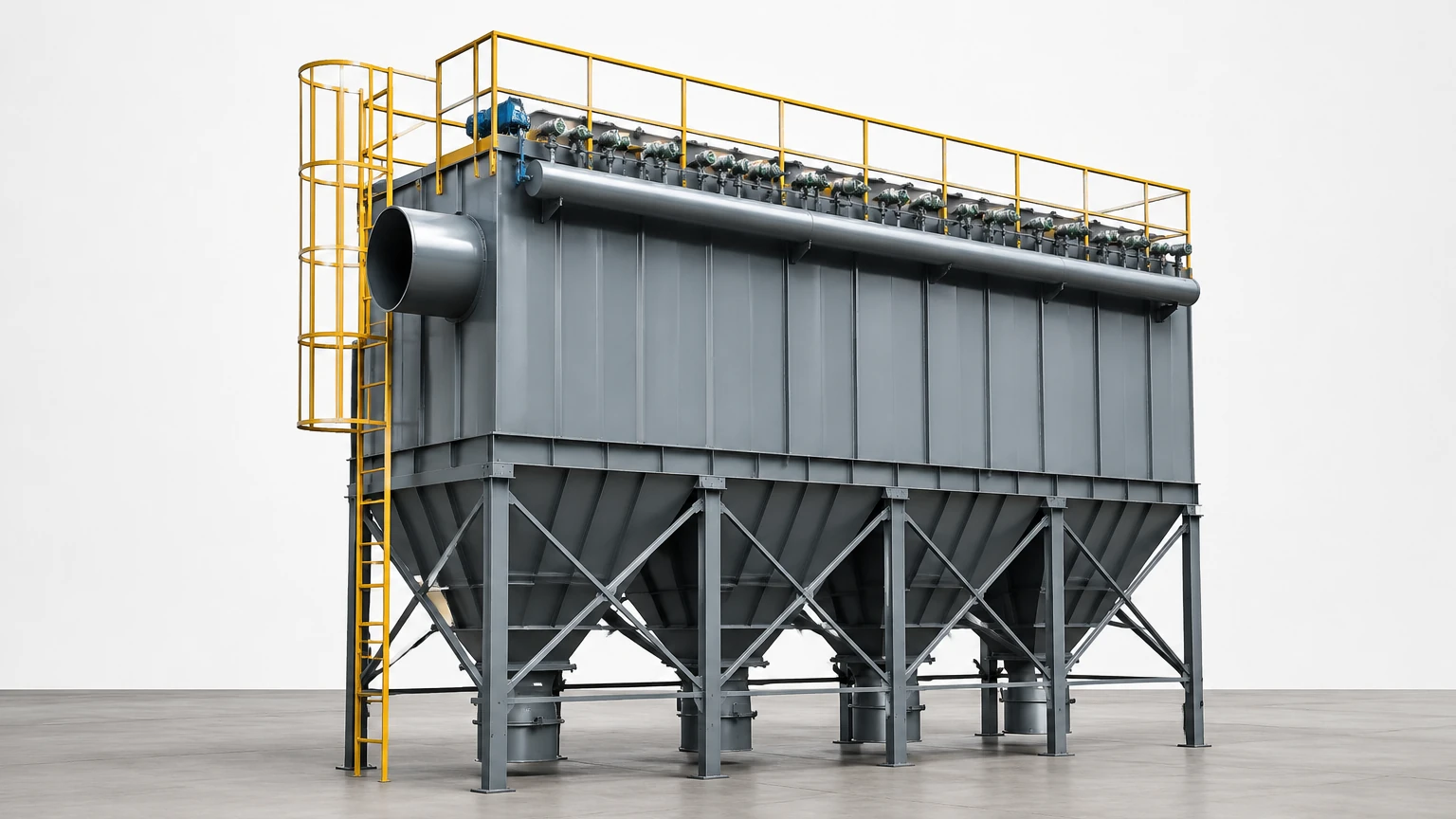
10000 Cfm Dust Collector
In industrial environments, air quality management is not merely a regulatory requirement but a critical component of operational efficiency and equipment longevity. A 10000 cfm dust collector represents a significant investment in high-capacity filtration, designed to handle large volumes of particulate-laden air across various manufacturing sectors. At this scale, the selection of filtration media, the structural integrity of the housing, and the precision of internal components determine the system's total cost of ownership and its ability to maintain consistent static pressure.
For engineers and facility managers, specifying a system with a 10,000 Cubic Feet per Minute (CFM) capacity requires a deep understanding of fluid dynamics and material science. Whether the application involves chemical processing, pharmaceutical manufacturing, or heavy industrial grinding, the performance of the dust collector hinges on the quality of its internal filtration elements. To explore specialized filtration components designed for such demanding systems, professionals often refer to the Main Page of leading manufacturers like Kaifil for technical specifications.
Understanding the Engineering Specifications of a 10000 CFM System
A 10000 cfm dust collector is typically categorized as a medium-to-large scale industrial unit. The "10,000 CFM" rating refers to the volume of air the fan can move through the system per minute. However, this rating is not static; it is influenced by the resistance—or pressure drop—created by the ductwork and the filter media itself.
Air-to-Cloth Ratio
One of the most critical metrics in sizing these units is the Air-to-Cloth (A/C) ratio. This ratio represents the amount of air passing through one square foot of filter media. For a 10,000 CFM system, if the A/C ratio is set at 2:1, the unit requires 5,000 square feet of filter media. A lower A/C ratio generally leads to longer filter life and lower pressure drops, but it requires a larger physical footprint for the collector. Engineers must balance the available floor space with the desired maintenance interval when selecting these parameters.
Static Pressure and Fan Selection
The fan must be capable of overcoming the Total External Static Pressure (TESP), which includes the resistance of the inlet ducting, the clean filter pressure drop, the accumulated dust cake resistance, and the discharge losses. In a 10,000 CFM application, even a slight miscalculation in static pressure can lead to inadequate suction at the source, allowing hazardous dust to escape into the workspace.
The Role of Stainless Steel Filtration Components in High-Capacity Collectors
Standard dust collectors often utilize carbon steel housings and synthetic fabric filters. However, in specialized industries such as food processing, chemical handling, or high-temperature applications, these materials are often insufficient. This is where stainless steel filtration solutions become essential.
Stainless steel wire mesh filters and cartridges offer several advantages in a 10000 cfm dust collector environment:
1. Corrosion Resistance: In chemical processing, the air may contain acidic or alkaline vapors that would rapidly degrade carbon steel or standard polymer filters.
2. Temperature Stability: Many industrial processes exhaust air at temperatures exceeding 250°F (121°C), which is the typical limit for standard polyester media. Stainless steel components can withstand significantly higher thermal loads without losing structural integrity.
3. Cleanability: Unlike disposable fabric bags, stainless steel mesh filters can often be cleaned and reused, providing a lower long-term cost in specific high-load applications.
Kaifil specializes in the manufacture of these precision metal filter components, ensuring that the internal skeletons and mesh layers of the dust collector can withstand the mechanical stresses of high-volume airflow.
Key Performance Metrics: Pressure Drop and Filtration Efficiency
The effectiveness of a 10000 cfm dust collector is measured by its ability to capture particulate matter (efficiency) while consuming the least amount of energy (low pressure drop).
Differential Pressure Monitoring
In a 10,000 CFM system, monitoring the differential pressure (the difference in pressure between the clean-air side and the dirty-air side) is the primary method for determining filter health. A sudden spike in differential pressure indicates "blinding" of the filters, while a sudden drop may indicate a leak or a ruptured filter element. High-quality stainless steel support cores are vital here to prevent the filter media from collapsing under the high suction forces required to move 10,000 CFM of air.
Filtration Accuracy
Depending on the particle size distribution of the dust, the system may require different MERV (Minimum Efficiency Reporting Value) ratings or even HEPA-grade after-filters. For fine powders in pharmaceutical or food applications, precision-engineered wire mesh with specific micron ratings provides a consistent barrier that fabric filters may not match over long-term pulse-cleaning cycles.
Customization for Specific Industrial Applications
No two 10,000 CFM applications are identical. The physical properties of the dust—such as its abrasiveness, hygroscopy (tendency to absorb moisture), and explosivity—dictate the design of the collector.
Food and Beverage Industry
In food production, the 10000 cfm dust collector must often meet stringent sanitary standards. Using 304 or 316L stainless steel for all wetted parts is common to prevent contamination and allow for CIP (Clean-In-Place) procedures. The filtration components must be free of crevices where organic material could accumulate and promote bacterial growth.
Chemical and Pharmaceutical Processing
These industries often deal with volatile or toxic compounds. The filtration system must ensure near-zero emissions. Custom stainless steel filter cartridges, often provided by specialized manufacturers like Kaifil, are designed to handle the aggressive chemical nature of the dust while maintaining precise filtration levels.
Hydraulic and Metalworking Systems
In environments where oil mist is mixed with dry dust, standard filters can become "clogged" very quickly. Specialized metal mesh pre-filters are often used to coalesce oil droplets before they reach the primary filter stage, extending the life of the more expensive final filters.
Maintenance and Operational Longevity
Maintaining a 10000 cfm dust collector involves more than just periodic filter changes. It requires a systematic approach to ensure the pulse-jet cleaning system, the discharge valves, and the structural seals remain intact.
Pulse-Jet Cleaning Systems
Most 10,000 CFM units use compressed air pulses to knock dust off the filters. If the pulses are too frequent, the filter media can wear out prematurely. If they are too infrequent, the pressure drop rises, and the fan consumes more energy. The durability of the filter's metal cage or support structure is paramount; if the support is weak, the repeated mechanical shock of the pulse-jet will eventually lead to metal fatigue and filter failure.
Replacement Cycles
The replacement cycle for filters in a 10,000 CFM system can range from six months to several years, depending on the dust load and the media type. By opting for high-performance stainless steel components, facilities can often extend these cycles, reducing the labor costs associated with frequent change-outs and the disposal costs of contaminated filter media.
Selecting the Right Filter Cartridges and Components
When specifying or upgrading a 10000 cfm dust collector, the choice of filtration components is the most significant factor in determining the system's ultimate performance. Generic filters may offer a lower initial purchase price, but they often lack the precision required for high-efficiency industrial applications.
Engineers should look for components that offer:
* Verified micron ratings.
* High-grade alloys (304, 316, 316L) for chemical compatibility.
* Robust mechanical construction to handle high-velocity airflow.
* Customizable dimensions to fit specific OEM housing requirements.
As a professional manufacturer of custom stainless steel filtration solutions, Kaifil provides the engineering expertise necessary to develop these high-performance components. Whether you are designing a new system or looking to optimize an existing 10,000 CFM unit, selecting the right metal filter elements is essential for reliable operation. For detailed information on material selection and customized filtration designs, visit the Main Page to consult with technical experts.
Conclusion
A 10000 cfm dust collector is a powerhouse of industrial air filtration, but its success depends on the sum of its parts. From the initial calculation of the air-to-cloth ratio to the selection of corrosion-resistant stainless steel mesh, every engineering decision impacts the safety and efficiency of the facility. By focusing on high-quality, durable filtration components, manufacturers can ensure their dust collection systems provide consistent performance in even the most demanding industrial environments.
