


3 a Sanitary Standards
In the realm of industrial processing—specifically within the food, dairy, beverage, and pharmaceutical sectors—the integrity of filtration components is not merely a matter of mechanical efficiency but of public safety and regulatory compliance. The 3 a sanitary standards represent a comprehensive set of criteria designed to ensure that equipment used in these sensitive industries can be cleaned effectively and does not harbor pathogenic bacteria. For engineers and procurement specialists sourcing stainless steel filtration solutions, understanding the nuances of these standards is essential for maintaining process hygiene and preventing costly product recalls.
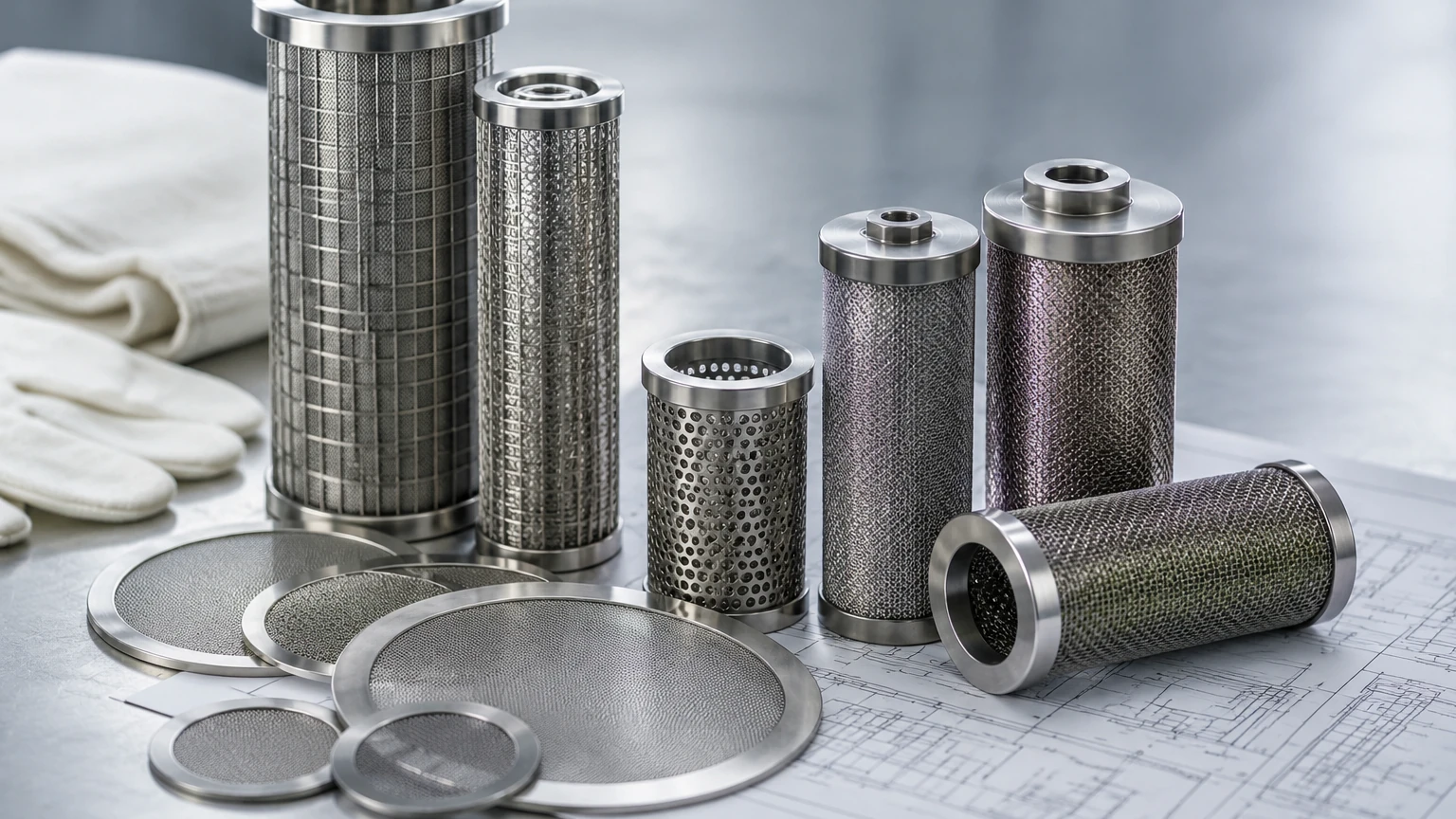
3-A Sanitary Standards, Inc. (3-A SSI) is an independent, not-for-profit corporation dedicated to advancing hygienic equipment design. The organization is a collaborative effort between the American Dairy Products Institute, the International Dairy Foods Association, the Food Processing Suppliers Association, and various regulatory agencies. By adhering to these standards, manufacturers like Kaifil ensure that their wire mesh filters and stainless steel filter cartridges meet the rigorous demands of sanitary processing environments.
The Fundamental Objectives of 3 a Sanitary Standards
The primary goal of the 3 a sanitary standards is to protect the end-user by ensuring that all product-contact surfaces can be mechanically cleaned or easily dismantled for manual cleaning. In the context of filtration, this involves more than just selecting the right micron rating; it requires a deep dive into the metallurgy, surface topography, and geometric design of the filter assembly.
There are three core pillars that define these standards:
1. Cleanability: All surfaces must be accessible for cleaning and inspection. This often involves Clean-in-Place (CIP) or Sterilize-in-Place (SIP) protocols, where the equipment is cleaned without being disassembled.
2. Material Safety: Only non-toxic, corrosion-resistant materials may be used. These materials must withstand the chemical stresses of cleaning agents and the thermal stresses of sterilization.
3. Prevention of Contamination: The design must eliminate "dead legs," crevices, or pits where product could stagnate and allow for microbial growth.
Material Selection and Metallurgical Integrity
When designing filtration systems under 3 a sanitary standards, material selection is the first line of defense. Stainless steel is the industry standard due to its durability and resistance to oxidation. However, not all grades of stainless steel are suitable for sanitary applications.
300 Series Stainless Steel
Most 3-A compliant filtration components are fabricated from 300 series stainless steel. Grade 304 is often used for non-contact or less aggressive environments, but Grade 316L (low carbon) is the preferred choice for product-contact surfaces. The addition of molybdenum in 316L provides superior resistance to pitting and crevice corrosion, particularly in environments containing chlorides or acidic cleaning solutions. The "L" designation is crucial for components that require welding, as it minimizes carbide precipitation during the welding process, ensuring the heat-affected zone remains as corrosion-resistant as the base metal.
Elastomers and Gaskets
Filters are rarely standalone metal units; they require seals, O-rings, and gaskets to interface with the rest of the processing line. Under 3-A standards, these non-metal components must comply with specific criteria for hardness, absorption, and toxicity. Common materials include EPDM, Silicone, and PTFE (Teflon). These materials must be FDA-compliant and capable of maintaining their seal integrity under high-pressure filtration and high-temperature sterilization cycles.
Surface Finish: The Importance of Ra Values
One of the most technical aspects of the 3 a sanitary standards is the requirement for surface roughness. Even a visually smooth piece of stainless steel can have microscopic valleys and peaks that trap proteins and bacteria. To quantify this, engineers use the Ra (Roughness Average) measurement.
For a filter housing or a solid metal component to meet 3-A criteria, the product-contact surfaces must typically have an Ra value of 0.8 micrometers (32 micro-inches) or smoother. Achieving this finish often requires a combination of mechanical polishing and electropolishing. Electropolishing is particularly effective for complex wire mesh filters and precision metal filter components, as it removes a fine layer of surface metal, rounding off microscopic peaks and creating a passive, chromium-rich surface that is highly resistant to bacterial adhesion.
In filtration, the challenge is amplified when dealing with woven wire mesh. While the mesh itself may have a different surface characteristic due to its geometry, the frames, supports, and end caps must strictly adhere to the Ra 32 finish to ensure the entire assembly is hygienically sound.
Engineering Design and Fabrication Requirements
Beyond materials and finishes, the physical geometry of the filtration component determines its compliance with 3 a sanitary standards. Engineers must evaluate several design factors before finalizing a custom filtration solution.
Radii and Corners
Sharp internal corners are strictly prohibited in sanitary design because they are nearly impossible to clean effectively. 3-A standards dictate minimum radii for all internal angles (typically 1/8 inch or 3.18 mm) to ensure that cleaning fluids can reach every surface through turbulent flow during CIP cycles.
Weld Quality and Inspection
Welding is a critical point of failure in sanitary equipment. All welds on product-contact surfaces must be continuous, smooth, and ground flush with the surrounding metal. There can be no pits, folds, or crevices. In many high-end applications, orbital welding is used to ensure a consistent, full-penetration weld that meets the stringent requirements of the pharmaceutical and dairy industries. After welding, the components must be passivated to restore the protective oxide layer on the stainless steel.
Self-Draining Capabilities
To prevent the growth of biofilm, filtration systems must be designed to be self-draining. This means that when the system is shut down, no residual liquid should remain trapped in the filter housing or the cartridge. This is achieved through specific orientations of the inlet and outlet ports and the use of sloped surfaces within the assembly.
Operational Considerations: CIP and SIP Compatibility
For a processing plant, the total cost of ownership of a filter is heavily influenced by how easily it can be maintained. 3 a sanitary standards facilitate the use of Clean-in-Place (CIP) systems, which circulate cleaning chemicals, water, and sanitizers through the equipment at high velocities.
When selecting a stainless steel filter cartridge, engineers must confirm that the structural integrity of the mesh and the bonding agents (if any) can withstand the impingement forces of CIP. Furthermore, if the process requires Sterilize-in-Place (SIP), the filter must be able to endure saturated steam at temperatures typically ranging from 121°C to 135°C without deforming or losing its filtration accuracy.
Kaifil’s expertise in manufacturing durable, all-welded stainless steel filters ensures that these components can survive hundreds of sterilization cycles, providing a much longer service life than disposable polymer-based alternatives. This durability is a key factor for engineers looking to optimize their Main Page equipment configurations for long-term reliability.
Common Risks of Non-Compliance
Ignoring 3 a sanitary standards in a sanitary process can lead to catastrophic failures. The risks include:
* Microbial Outbreaks: Crevices in poorly designed filters can become breeding grounds for *Listeria*, *Salmonella*, or *E. coli*.
* Regulatory Fines: Agencies such as the FDA or USDA often use 3-A standards as a benchmark for inspection. Non-compliant equipment can lead to mandatory shutdowns or heavy fines.
* Product Spoilage: Even if not pathogenic, bacterial contamination can cause off-flavors and reduce the shelf life of food and beverage products.
* Maintenance Downtime: Equipment that is difficult to clean requires more manual labor and longer downtime, eating into the facility's overall equipment effectiveness (OEE).
Information to Confirm Before Purchasing
Before taking the next step in procuring industrial filters for a sanitary application, technical professionals should confirm the following information with their supplier:
1. TPV Certification: Does the equipment have Third-Party Verification (TPV) of 3-A compliance? This is the gold standard for ensuring the product actually meets the written requirements.
2. Material Traceability: Can the manufacturer provide Mill Test Reports (MTRs) for the stainless steel and certificates of compliance for all elastomers?
3. Surface Finish Documentation: Is there a report confirming the Ra values of the product-contact surfaces?
4. Customization Capability: Can the manufacturer adapt the filter design to fit existing sanitary piping (e.g., Tri-Clamp connections) while maintaining compliance?
Conclusion
The 3 a sanitary standards serve as a vital framework for the design and manufacture of industrial filtration components. By focusing on cleanability, material integrity, and precision fabrication, these standards allow the food, beverage, and pharmaceutical industries to operate with a high degree of safety and efficiency. For engineers, choosing a partner like Kaifil—who understands the technical demands of stainless steel filtration—is the most effective way to ensure that every component in the process stream contributes to a hygienic and compliant operation. Whether you are designing a new system or upgrading an existing one, prioritizing 3-A principles is a fundamental step toward operational excellence and consumer protection.
