


3 a Standards
In the realm of industrial processing, particularly within the food, beverage, and pharmaceutical sectors, the integrity of equipment design is paramount to ensuring consumer safety and product quality. One of the most critical benchmarks for hygienic equipment design is the 3-A Sanitary Standards. These standards provide a comprehensive framework for the design and fabrication of equipment that comes into contact with consumable products. For engineers and procurement professionals sourcing stainless steel filtration solutions, understanding the nuances of 3-A standards is essential for maintaining regulatory compliance and operational efficiency.
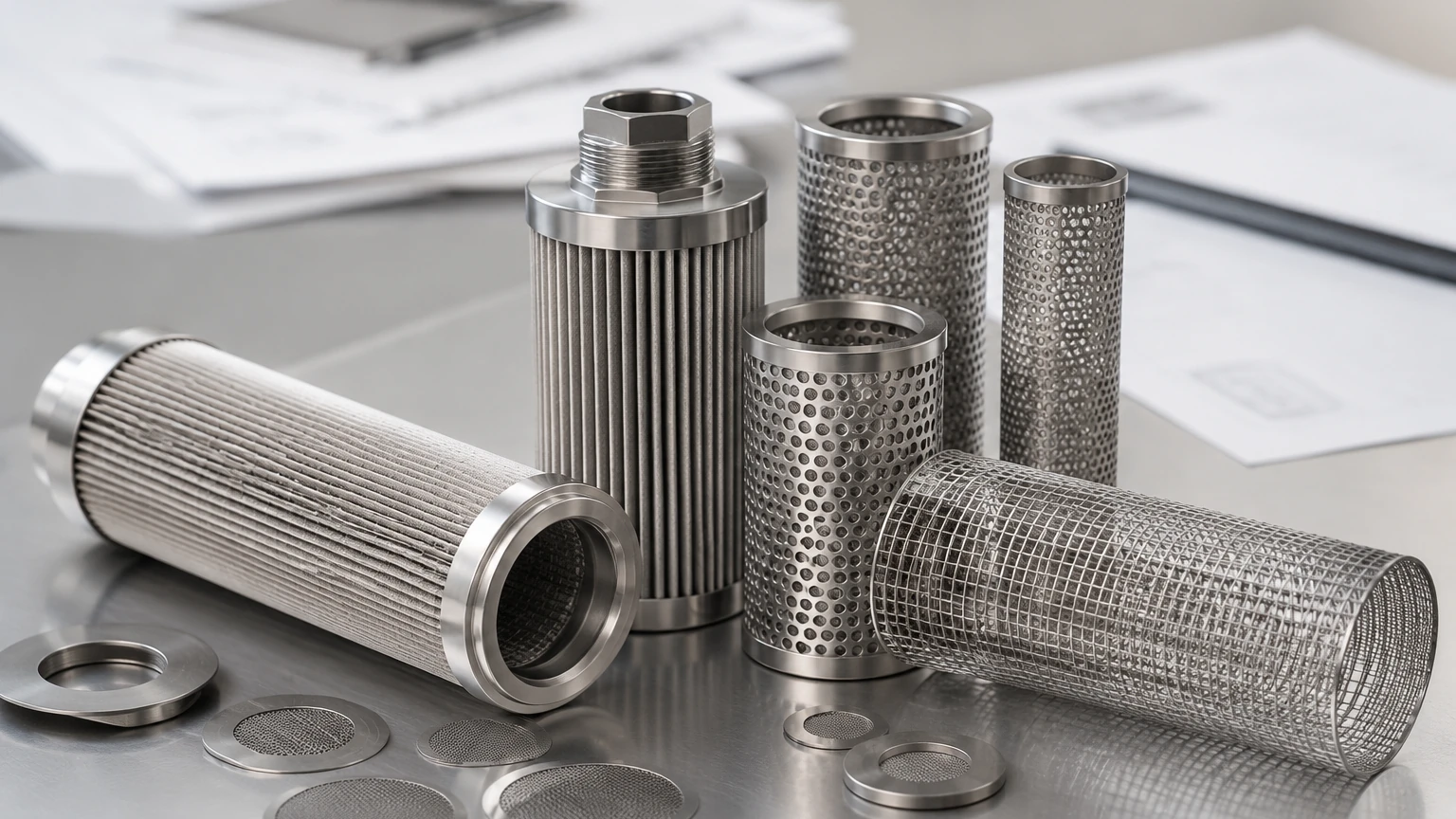
Industrial filtration components, such as wire mesh filters and stainless steel cartridges, must often adhere to these rigorous specifications to prevent bacterial growth and facilitate effective cleaning. As a specialized manufacturer, Kaifil integrates these engineering principles into the development of custom filtration systems, ensuring that every component meets the demanding requirements of modern sanitary processing.
Understanding the 3-A Sanitary Standards Framework
The 3-A Sanitary Standards, Inc. (3-A SSI) is an independent, not-for-profit corporation dedicated to advancing hygienic equipment design. The "3-A" designation originally represented the three primary stakeholders involved in the standard-setting process: regulatory sanitarians, equipment users (processors), and equipment manufacturers. Today, this collaborative effort ensures that standards are technically sound, practically applicable, and aligned with public health goals.
The primary objective of 3-A standards is to protect the end consumer by ensuring that equipment can be effectively cleaned and sanitized. This is achieved through strict criteria for materials, design, and fabrication. Unlike general industrial standards, 3-A focus heavily on the "cleanability" of surfaces. If a filter housing or element is not designed correctly, it can harbor "biofilms"—layers of microorganisms that are resistant to standard cleaning cycles. By following 3-A guidelines, manufacturers minimize these risks, providing a foundation for Safe Quality Food (SQF) and Hazard Analysis and Critical Control Points (HACCP) programs.
For technical teams, it is important to distinguish between "3-A Compliant" and "3-A Certified." While many components may be designed according to 3-A principles, certification requires a Third-Party Verification (TPV) inspection to confirm that the equipment meets all specific criteria of the relevant standard. When reviewing options on the Main Page, engineers should consider how these standards influence the lifecycle and safety of their filtration systems.
Material Requirements for 3-A Compliance in Filtration
Material selection is the first pillar of 3-A standards. In the context of stainless steel filtration, not all grades of metal are suitable for sanitary applications. The standards generally mandate the use of AISI 300 series stainless steel, with 316 and 316L being the most common choices due to their superior corrosion resistance.
Stainless Steel Grades
316L stainless steel is often the preferred material for filter mesh and cartridges because of its low carbon content, which reduces the risk of carbide precipitation during welding. This is crucial because intergranular corrosion can create microscopic pits where bacteria can thrive. In environments involving high salt concentrations or acidic cleaning agents, the molybdenum content in 316L provides the necessary protection against pitting and crevice corrosion.
Non-Metal Components
Filtration systems are rarely composed entirely of metal. Gaskets, O-rings, and seals are vital for maintaining system pressure and preventing leaks. Under 3-A standards, these elastomeric materials must be non-toxic, non-absorbent, and resistant to the chemicals used in sterilization. Common materials include EPDM, Silicone, and Viton (FKM), provided they meet FDA 21 CFR 177.2600 requirements. The compatibility of these materials with the process fluid and the temperature of the cleaning cycle is a critical engineering consideration during the selection process.
Engineering Design Principles: Cleanability and Accessibility
The physical design of a filter determines how easily it can be maintained. 3-A standards emphasize designs that eliminate "dead legs"—areas where fluid can stagnate and bacteria can accumulate. For a filtration component to be considered sanitary, every surface that comes into contact with the product must be accessible for cleaning and inspection.
Radiused Corners and Angles
One of the most recognizable features of 3-A compliant design is the use of large radii on all internal corners. Sharp 90-degree angles are prohibited because they are nearly impossible to clean thoroughly. Standards typically require a minimum internal radius (often 1/4 inch or 1/8 inch depending on the specific application) to ensure that cleaning fluids can reach every part of the surface. This "sweep" design allows for the smooth flow of both product and cleaning agents.
Self-Draining Surfaces
Stagnant liquid is a major contamination risk. 3-A standards require that equipment be designed to be self-draining. This means that horizontal surfaces should be avoided or sloped at specific angles to ensure that all fluids exit the system by gravity when it is shut down. In filter housings, the placement of the inlet and outlet ports, as well as the orientation of the filter element itself, must support this self-draining capability.
Threaded Connections
In sanitary design, exposed threads are generally avoided within the product zone. Threads are notorious for trapping particles and resisting cleaning. Where connections are necessary, 3-A standards prefer the use of hygienic couplings, such as Tri-Clamp or DIN 11851 fittings, which provide a flush, crevice-free seal between components.
Surface Finish and Fabrication Standards
Even if a filter is made of the correct material and has the right shape, it cannot be considered sanitary if the surface is rough. The 3-A standards specify a maximum surface roughness, usually measured as Ra (Roughness Average). For most food and dairy applications, the standard requirement is an Ra of 32 micro-inches (0.8 micrometers) or smoother.
The Importance of Ra Values
A smooth surface is easier to sanitize because there are fewer microscopic "peaks and valleys" where microbes can attach. Achieving this finish requires precise manufacturing techniques. Mechanical polishing is the traditional method, where progressively finer abrasives are used to smooth the metal. However, for complex wire mesh structures or precision filter cartridges, electropolishing is often employed. Electropolishing is a chemical process that removes the outer layer of ions from the metal, resulting in a mirror-like finish that is highly resistant to bacterial adhesion and corrosion.
Welding Standards
Welding is a critical fabrication step in custom filter production. 3-A standards require that all welds in the product contact zone be continuous, smooth, and pit-free. Grinding and polishing of welds are necessary to ensure they match the surrounding surface finish. For engineers, inspecting the quality of welds is a primary way to verify the integrity of a sanitary filter. Any signs of porosity or discoloration (heat tint) can indicate a failure to meet 3-A fabrication requirements, leading to potential contamination issues in the future.
Selecting 3-A Compliant Stainless Steel Filters
When purchasing filtration components for a sanitary process, engineers must look beyond the basic filtration rating (micron size) and consider the total design of the unit. The selection process should involve a detailed review of the manufacturer’s capabilities and their adherence to 3-A principles.
Customization vs. Off-the-Shelf
Many standard industrial filters do not meet 3-A requirements. Therefore, custom-engineered solutions are often necessary. When working with a manufacturer like Kaifil, it is important to specify the exact 3-A standard applicable to your industry (e.g., Standard 10-04 for Filters). Customization allows for the integration of specific port sizes, specialized mounting brackets, and unique element geometries that fit perfectly into a sanitary production line without compromising cleanability.
Verification of Documentation
A reputable supplier should provide comprehensive documentation, including Material Test Reports (MTRs) for the stainless steel and Certificates of Conformance for elastomers. If the equipment is 3-A certified, the manufacturer should be able to provide the 3-A Symbol authorization. This documentation is vital for passing food safety audits and ensuring long-term traceability.
To explore the range of technical capabilities and material options available for these demanding environments, professionals can Review product options and application support to find solutions tailored to specific sanitary requirements.
Maintenance and CIP (Clean-In-Place) Considerations
A primary advantage of 3-A compliant equipment is its compatibility with Clean-In-Place (CIP) systems. CIP allows for the thorough cleaning of the internal surfaces of filters and piping without the need for disassembly. This reduces labor costs, minimizes the risk of re-contamination during reassembly, and ensures a consistent cleaning result.
CIP Performance and Filter Integrity
For a filter to be CIP-compatible, it must be robust enough to withstand the high pressures and temperatures of the cleaning cycle. Typical CIP cycles involve caustic washes (pH 12-13) and acid rinses (pH 2-3) at temperatures exceeding 80°C (176°F). Stainless steel wire mesh and sintered metal cartridges are ideal for these conditions because they do not degrade like polymer-based filters. However, the structural design must ensure that the cleaning fluid can flow through the filter media in a "backwash" or "reverse flow" pattern to effectively dislodge trapped particles.
Replacement Cycles
While 3-A compliant stainless steel filters are highly durable, they are not permanent. Over time, repeated cleaning cycles and mechanical stress can lead to fatigue. Maintenance teams should establish a regular inspection schedule to check for signs of mesh blinding, gasket wear, or surface pitting. Because 3-A designs prioritize accessibility, these inspections can be performed efficiently, ensuring that the filtration system continues to operate within the required safety margins.
Conclusion: The Strategic Value of 3-A Standards
Adhering to 3-A standards is more than a regulatory hurdle; it is a strategic investment in the reliability and safety of an industrial process. By prioritizing hygienic design, engineers can significantly reduce the risk of product recalls, improve the efficiency of cleaning operations, and extend the service life of their filtration equipment.
When selecting a partner for stainless steel filtration, it is crucial to choose a manufacturer that understands the intersection of filtration physics and sanitary engineering. From the selection of 316L stainless steel to the precision of the final surface polish, every detail matters. By focusing on the principles of 3-A standards, companies can ensure that their filtration systems provide consistent, high-quality performance in even the most sensitive industrial applications.
