


3a Sanitary Standards Inc
In the landscape of industrial processing—particularly within the food, dairy, beverage, and pharmaceutical sectors—the integrity of equipment design is not merely a matter of efficiency, but one of public safety. Central to this regulatory and engineering framework is 3-A Sanitary Standards Inc. (3-A SSI), a non-profit organization dedicated to advancing hygienic equipment design. For engineers and procurement specialists sourcing stainless steel filtration components, understanding the criteria set forth by 3-A SSI is essential for ensuring process purity, regulatory compliance, and long-term operational reliability.
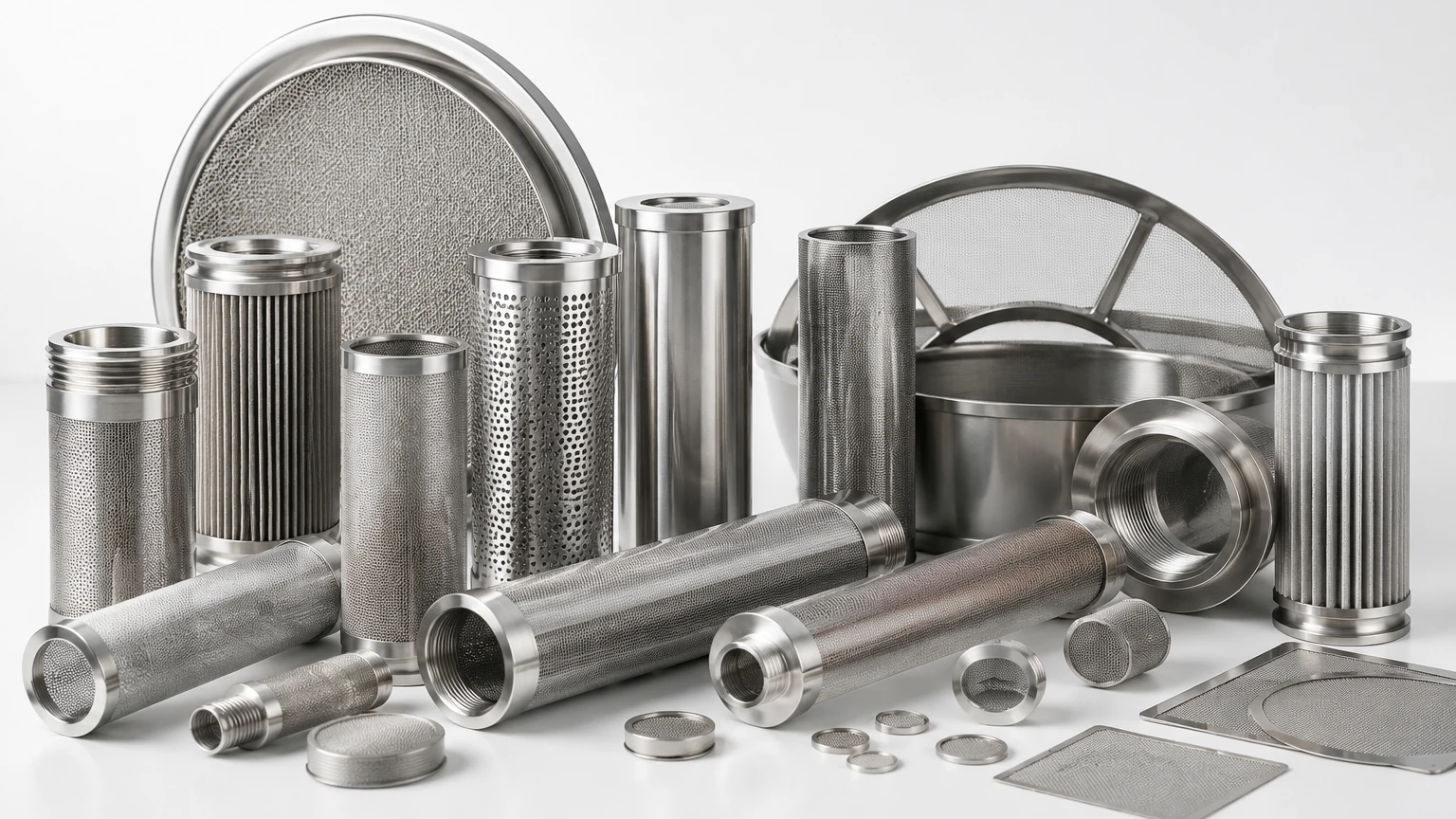
Industrial filtration systems, such as those manufactured by Kaifil, must often adhere to these stringent hygienic principles to prevent bacterial growth and cross-contamination. This guide explores the technical foundations of 3-A standards, the engineering considerations for sanitary filter design, and the critical evaluation factors that technical teams must consider when selecting filtration solutions for sensitive environments.
Understanding the Role of 3-A Sanitary Standards Inc. in Industrial Filtration
3-A Sanitary Standards Inc. is a collaborative organization representing three distinct groups: regulatory sanitarians, equipment users, and equipment manufacturers. Its primary mission is to develop and maintain a comprehensive inventory of standards and accepted practices for the hygienic design of equipment used in the production of food, beverages, and pharmaceutical products.
The "3-A" designation originally referred to the three interest groups involved, but today it represents a global benchmark for sanitary excellence. When a filtration component is designed according to 3-A standards, it implies that the equipment is capable of being cleaned to a level that prevents the harborage of pathogens. For a manufacturer like Kaifil, which specializes in custom stainless steel filtration, these standards dictate everything from the choice of raw materials to the geometry of the filter housing and the precision of the internal mesh.
For the end-user, 3-A standards provide a framework for "Clean-in-Place" (CIP) and "Sterilize-in-Place" (SIP) protocols. Without these standards, manual cleaning of complex filter elements would be required frequently, leading to significant downtime and increased risk of human error in the sanitation process.
Engineering Criteria for Sanitary Stainless Steel Filters
Designing a filter that meets the rigorous expectations of 3-A Sanitary Standards Inc. requires a deep understanding of surface science and mechanical engineering. The goal is to eliminate any area where product can accumulate and spoil, or where microorganisms can hide from cleaning agents.
Surface Finish and Ra Values
One of the most critical metrics in sanitary design is the surface roughness, typically measured as Ra (Roughness Average). 3-A standards generally require that all product contact surfaces have a finish of 32 micro-inches (0.8 μm) Ra or smoother. In many high-purity pharmaceutical applications, this requirement may be even stricter, reaching 15 or 20 micro-inches Ra. Achieving this requires specialized polishing techniques, such as electropolishing or mechanical grinding, to ensure the stainless steel surface is free of pits, folds, and crevices.
Internal Geometry and Radii
From an engineering perspective, sharp corners are the enemy of sanitation. 3-A standards dictate minimum radii for all internal angles (typically a minimum of 1/8 inch or 3.2 mm) to ensure that cleaning fluids can effectively reach and scrub every surface. In the context of custom wire mesh filters or perforated metal elements, this means that every weld and transition point must be smooth and continuous.
Self-Draining Capabilities
Equipment must be designed to be self-draining to prevent the pooling of product or cleaning chemicals. For filter housings, this involves specific orientations of inlet and outlet ports and the use of sloped surfaces. If a filter cannot drain completely, it becomes a breeding ground for biofilm, compromising the entire production batch.
Material Selection and Compatibility for Hygienic Applications
The materials used in the construction of filtration components must be non-toxic, non-absorbent, and resistant to corrosion from both the product and the aggressive chemicals used during the CIP process. 3-A Sanitary Standards Inc. specifies the types of materials that are acceptable for product contact surfaces.
Stainless Steel Grades
AISI 300 series stainless steel is the industry standard. Grade 304 is often used for general food applications, but Grade 316L is the preferred choice for more demanding environments. The "L" in 316L stands for low carbon, which improves weldability and reduces the risk of intergranular corrosion at the weld sites. This is particularly important for filtration mesh and cartridges that undergo repeated thermal cycling during sterilization.
Elastomers and Seals
Filters are rarely composed entirely of metal. Gaskets, O-rings, and seals are necessary to ensure a leak-proof system. These components must also meet 3-A standards (specifically Standard 18-03 for multiple-use rubber and rubber-like materials). They must be compatible with the process temperature and the chemical composition of the cleaning agents to prevent swelling, cracking, or leaching of chemicals into the process stream.
The Importance of Clean-in-Place (CIP) and Sterilize-in-Place (SIP)
In modern B2B manufacturing, efficiency is driven by automation. CIP and SIP systems allow for the cleaning and sterilization of filtration systems without the need for disassembly. 3-A Sanitary Standards Inc. provides the blueprint for making this possible.
When evaluating a filtration solution, engineers must confirm that the internal structure of the filter—such as the pleated mesh or the support core—is robust enough to withstand the high pressures and velocities associated with CIP cycles. Furthermore, the design must ensure that there are no "dead legs" (areas where fluid flow is stagnant). If a filter element has areas that are shielded from the flow of cleaning chemicals, it cannot be considered truly sanitary.
Kaifil’s expertise in manufacturing precision metal filter components ensures that these elements are not only durable but also optimized for the fluid dynamics required for effective CIP. For more information on specific configurations, you can visit the Main Page to explore the range of available industrial solutions.
Evaluation and Selection: What Engineers Should Confirm Before Procurement
When sourcing filters for a project that requires adherence to 3-A principles, purchasing teams and engineers should perform a thorough technical audit of the supplier. Simply claiming "sanitary design" is insufficient; specific documentation and manufacturing evidence are required.
1. Material Traceability: Ensure the manufacturer provides Mill Test Reports (MTRs) for all stainless steel components. This confirms the chemical composition and grade of the metal.
2. Weld Integrity: In sanitary filtration, welds must be full-penetration and ground smooth. Inspecting weld samples or requesting weld procedures is a standard part of the vetting process.
3. Surface Finish Certification: Request a profilometer report to verify that the Ra values meet the project specifications. Visual inspection is rarely enough to confirm a 32 Ra finish.
4. Customization Capabilities: Every process line is unique. A supplier should be able to provide custom drawings that detail the radii, drainage slopes, and connection types (such as Tri-Clamp or SMS fittings) required for the specific application.
Common Risks of Non-Compliant Filtration Components
The cost of implementing high-quality, sanitary-designed filters is often higher than standard industrial filters, but the risks of non-compliance are far more expensive. Using equipment that does not meet the standards advocated by 3-A Sanitary Standards Inc. can lead to several catastrophic failures:
* Biofilm Formation: Microscopic cracks or rough surfaces allow bacteria to anchor themselves. Once a biofilm is established, it is extremely difficult to remove, even with aggressive CIP cycles.
* Product Contamination: If a filter element sheds metallic particles or if an elastomer seal degrades, the final product is contaminated, leading to expensive recalls and damage to the brand's reputation.
* Regulatory Sanctions: In many jurisdictions, regulatory bodies like the FDA or USDA use 3-A standards as the basis for their inspections. Non-compliant equipment can result in the shutdown of a production facility.
* Reduced Equipment Lifespan: Non-sanitary designs often suffer from localized corrosion (pitting) in areas where product is trapped, leading to premature failure of the filter housing or element.
Technical Support and Customization in Sanitary Filtration
Selecting the right filter is a collaborative process between the engineering team and the manufacturer. At Kaifil, the focus is on providing reliable OEM and customized filtration solutions that meet the specific demands of the chemical, food, and pharmaceutical industries. This involves not only manufacturing the product but also providing the technical guidance necessary to ensure the filter performs as expected within a sanitary system.
Engineers should look for partners who understand the nuances of filtration accuracy—balancing the need for fine particle removal with the requirement for high flow rates and low pressure drops. A custom-designed stainless steel filter cartridge can be engineered to maximize surface area while maintaining the structural integrity needed for high-temperature sterilization.
Conclusion
Adhering to the principles established by 3-A Sanitary Standards Inc. is a fundamental requirement for any B2B operation involved in high-purity processing. By focusing on hygienic design, material integrity, and cleanability, engineers can ensure that their filtration systems contribute to a safe and efficient production environment. Whether you are designing a new processing line or upgrading an existing one, prioritizing 3-A compliant design features is an investment in quality and safety. For those seeking specialized manufacturing support for these critical components, reviewing technical capabilities and product options is the first step toward achieving optimized filtration performance.
