


5 Micron Filter Bag
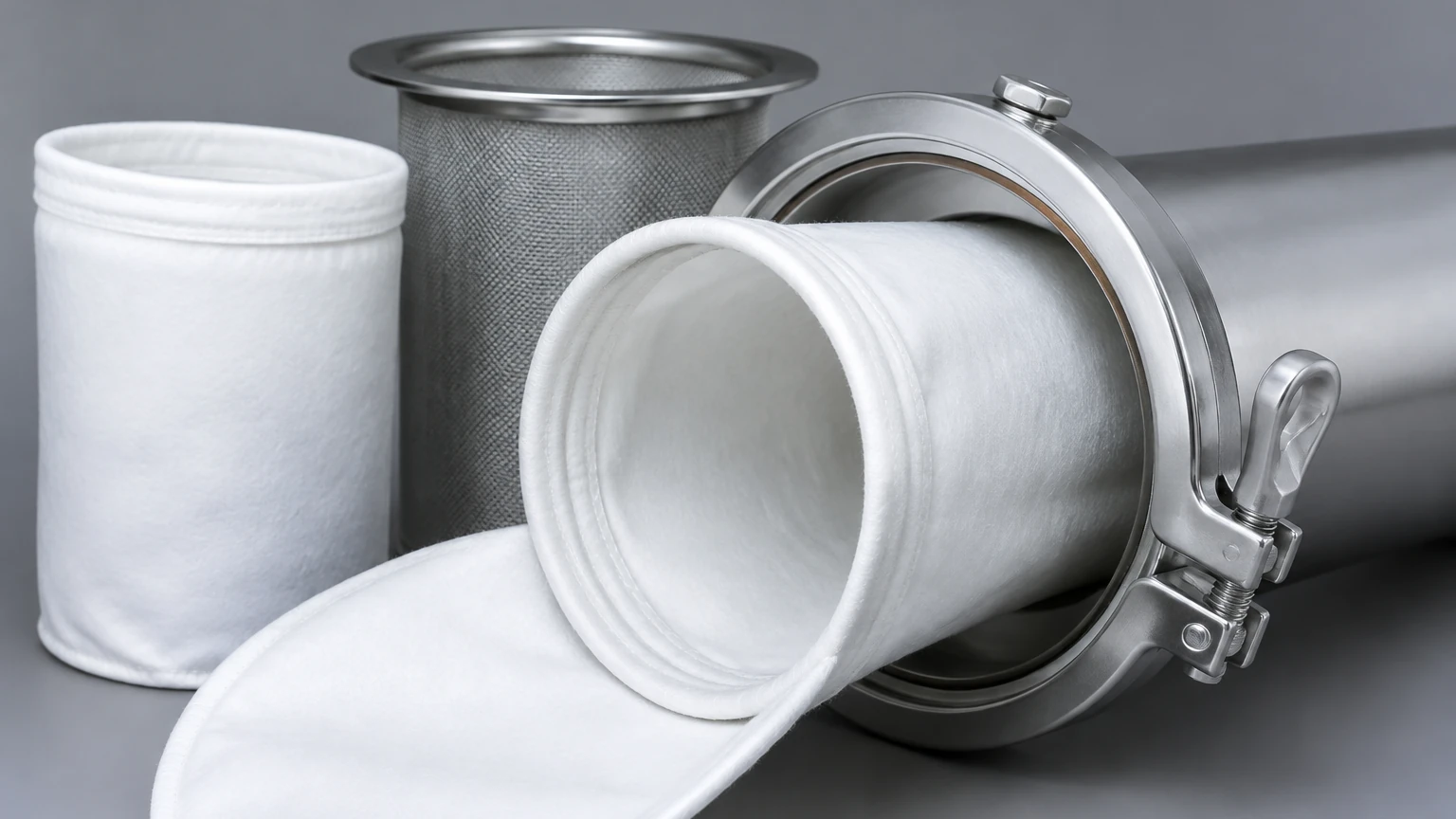
In industrial liquid filtration, the 5 micron filter bag serves as a critical component for achieving high-clarity fluids and protecting downstream equipment. A 5-micron rating indicates the filter's ability to capture particles as small as 5 micrometers in diameter—roughly one-twentieth the width of a human hair. This level of filtration is often the standard for fine polishing in chemical processing, food and beverage production, and water treatment. Selecting the correct 5 micron filter bag requires a deep understanding of material science, fluid dynamics, and the specific mechanical requirements of the filtration housing.
Technical Performance: Nominal vs. Absolute Ratings
When evaluating a 5 micron filter bag, engineers must first distinguish between nominal and absolute filtration ratings. This distinction significantly impacts the total cost of ownership and the quality of the final filtrate.
Nominal Filtration
Most standard felt or mesh bags are nominally rated. A nominal 5-micron rating implies that the filter will retain a high percentage (typically 60% to 80%) of particles 5 microns or larger. These bags are generally used for high-flow applications where absolute precision is less critical than dirt-holding capacity and cost-effectiveness. In many industrial pre-filtration stages, a nominal 5 micron filter bag is sufficient to remove the bulk of suspended solids before the fluid reaches more expensive, high-precision cartridges.
Absolute Filtration
Absolute-rated bags are engineered to achieve a retention efficiency of 98% or higher at the specified micron level. These are often constructed using multiple layers of melt-blown media or specialized high-density felts. In applications such as pharmaceutical intermediate processing or fine chemical manufacturing, an absolute 5 micron filter bag is necessary to ensure the removal of specific contaminants that could compromise product integrity or damage sensitive downstream membranes.
Material Selection and Chemical Compatibility
The efficiency of a 5 micron filter bag is only as reliable as the material from which it is constructed. Industrial environments often involve extreme temperatures, varying pH levels, and high pressures, all of which dictate the choice of media.
1. Polypropylene (PP): This is the most common material for 5-micron bags due to its excellent chemical resistance to acids and alkalis. It is also silicone-free, making it ideal for paints and coatings. However, its temperature limit is relatively low, typically around 200°F (93°C).
2. Polyester (PE): Polyester offers higher temperature resistance (up to 300°F or 150°C) than polypropylene and is resistant to most oxidizing agents and organic solvents. It is widely used in industrial oil filtration and high-temperature water systems.
3. Nylon Monofilament: While more commonly used for coarser filtration, nylon mesh can be woven to 5-micron specifications for surface filtration. Nylon is favored for its high tensile strength and resistance to hydrocarbons.
4. Stainless Steel Mesh: For the most demanding industrial environments, stainless steel wire mesh—often utilized in the custom filtration solutions provided by specialists like Kaifil—offers unparalleled durability. While traditional bags are disposable, stainless steel components can be cleaned and reused, providing a sustainable solution for high-temperature or highly corrosive fluids where polymers would degrade.
Engineering Considerations: Flow Rate and Pressure Drop
Integrating a 5 micron filter bag into an existing system requires a calculated approach to fluid dynamics. The pore size of the media directly influences the initial pressure drop (Delta P) across the filter.
Managing Differential Pressure
As a 5 micron filter bag captures contaminants, the pores become restricted, leading to an increase in differential pressure. For most industrial bag housings, the recommended change-out pressure is between 15 and 25 PSI. Exceeding this limit risks "breakthrough," where the pressure forces contaminants through the media, or mechanical failure of the bag itself. Engineers must size the filtration housing to ensure that the initial pressure drop at the desired flow rate does not exceed 2 PSI, providing ample headroom for contaminant loading.
Viscosity and Flux
The flow rate (flux) through a 5 micron filter bag is heavily dependent on the viscosity of the liquid. High-viscosity fluids, such as resins or heavy oils, require a larger filtration surface area to maintain the same flow rate as water. If the flux is too high, the velocity of the fluid can cause particles to deform and pass through the 5-micron pores, reducing the overall efficiency of the system.
Comparison: Filter Bags vs. Filter Cartridges
A common question for purchasing teams is whether to utilize a 5 micron filter bag or a 5-micron filter cartridge. The decision usually hinges on the volume of solids to be removed and the required precision.
* Dirt-Holding Capacity: Filter bags generally have a much higher dirt-holding capacity than cartridges. This makes them the preferred choice for batch processes with high solids loading. A single #2 size bag has a surface area of approximately 4.4 square feet, allowing it to hold a significant volume of sediment before requiring replacement.
* Ease of Maintenance: Replacing a filter bag is typically faster and less labor-intensive than replacing a multi-cartridge housing. The bag captures the waste inside the media, preventing it from settling at the bottom of the housing, which simplifies the cleaning process.
* Precision: Cartridges often provide higher precision and are available in sub-micron ratings that are difficult to achieve consistently with bag media. However, for 5-micron applications, the bag often provides the best balance of performance and economy.
Applications of 5 Micron Filtration Across Industries
The versatility of the 5 micron filter bag makes it a staple in various industrial sectors. Each application has unique requirements for material purity and structural integrity.
Water Treatment and Desalination
In reverse osmosis (RO) systems, 5-micron filtration is the standard for pre-treatment. Removing silt, sand, and organic debris at the 5-micron level protects the expensive RO membranes from fouling and mechanical abrasion, significantly extending the lifespan of the entire water treatment plant.
Food and Beverage Processing
For the filtration of edible oils, syrups, and beverages, 5-micron bags are used to remove clarifies and ensure visual clarity. In these applications, the bags must be constructed from FDA-compliant materials and often require ultrasonic welding rather than traditional stitching to eliminate the risk of bypass through needle holes.
Chemical and Petrochemical Production
In the production of specialty chemicals, a 5 micron filter bag is used to remove catalysts or impurities from the final product. The chemical compatibility of the bag material is paramount here, as the fluids may be highly aggressive. Stainless steel filtration components are often integrated into these systems to handle high-pressure surges and aggressive solvents that would compromise standard fabric bags.
Quality Assurance and Customization in Filter Manufacturing
Not all 5 micron filter bags are created equal. The manufacturing process plays a vital role in the consistency of the micron rating. High-quality bags utilize thermal bonding and reinforced seams to prevent bypass. For specialized industrial equipment, OEM (Original Equipment Manufacturer) solutions are often required to ensure a perfect fit within the housing.
Customization options often include:
* Flange and Ring Designs: Different housings require specific top configurations, such as plastic flanges, steel rings, or drawstrings, to ensure a leak-proof seal.
* Reinforced Bottoms: For high-pressure applications, the bottom of the bag can be reinforced to prevent rupturing.
* Multi-Layered Construction: Combining different micron ratings within a single bag (e.g., a 25-micron outer layer with a 5-micron inner layer) can significantly increase the service life by providing graduated filtration.
Conclusion: Optimizing Your Filtration Strategy
Selecting a 5 micron filter bag is a strategic decision that affects the efficiency and cost-effectiveness of industrial operations. By considering the chemical environment, the nature of the contaminants, and the mechanical limits of the filtration system, engineers can ensure reliable performance. Whether utilizing standard polymer bags or seeking the durability of precision metal filtration components, understanding the technical nuances of the 5-micron threshold is essential for maintaining product quality and operational uptime.
For organizations looking to optimize their filtration processes, consulting with a manufacturer that understands the complexities of material selection and custom engineering is the most effective way to reduce maintenance costs and improve filtration accuracy. As industrial requirements become more stringent, the role of high-performance filtration components continues to be a cornerstone of modern manufacturing excellence.
