


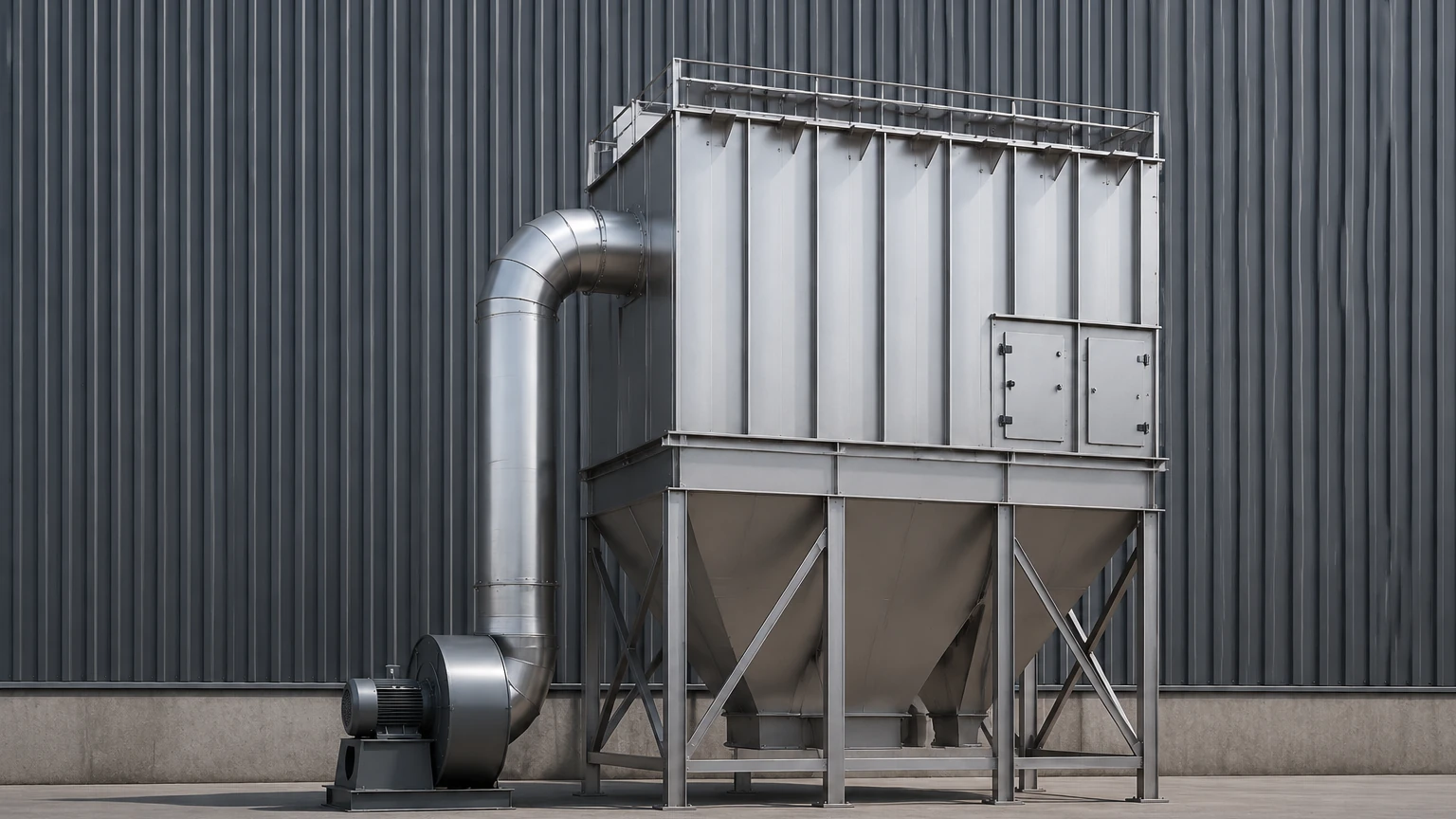
5000 Cfm Dust Collector
In industrial environments, air quality management is not merely a regulatory requirement but a critical component of operational efficiency and equipment longevity. A 5000 cfm dust collector represents a significant tier in industrial air filtration, capable of handling substantial particulate loads across multiple workstations or high-volume processing lines. Selecting, engineering, and maintaining a system of this capacity requires a deep understanding of fluid dynamics, material science, and the specific filtration needs of the application.
For engineers and procurement teams, the decision-making process involves balancing initial capital expenditure with long-term performance and maintenance costs. This guide examines the technical parameters, material considerations, and engineering benchmarks essential for implementing an effective 5000 cfm dust collection strategy.
Engineering Fundamentals of a 5000 CFM System
The rating of 5000 CFM (Cubic Feet per Minute) defines the volumetric flow rate of air the system can move. However, the effectiveness of the system depends on how this airflow interacts with the filtration media and the ductwork.
Air-to-Cloth Ratio
One of the most critical metrics in dust collector design is the Air-to-Cloth (ATC) ratio, also known as the filtration velocity. It is calculated by dividing the total airflow (5000 CFM) by the total surface area of the filter media (in square feet).
* High ATC Ratios: Generally used for coarse, non-abrasive dust. While it allows for a smaller physical footprint, it can lead to higher pressure drops and shorter filter life.
* Low ATC Ratios: Necessary for fine, abrasive, or hygroscopic dust. A lower ratio reduces the velocity at which particles strike the media, preserving the integrity of the filter and improving collection efficiency.
For a 5000 cfm dust collector, maintaining an appropriate ATC ratio is the difference between a system that runs continuously and one that requires weekly shutdowns for filter cleaning or replacement.
Static Pressure and Fan Selection
Moving 5000 cubic feet of air per minute requires overcoming the resistance (static pressure) of the ductwork, the filter media, and the collection hoods. Engineers must calculate the Total Static Pressure (TSP) to select a fan that can maintain the required velocity at the pick-up points. If the fan is undersized, dust will settle in the ducts; if oversized, energy is wasted, and the filter media may be prematurely blinded.
Material Selection: The Role of Stainless Steel and Wire Mesh
While many standard dust collectors utilize polyester or cellulose bags, demanding industrial applications often require more robust solutions. This is where the expertise found on the Main Page of specialized manufacturers becomes invaluable. In sectors like chemical processing or high-temperature manufacturing, stainless steel filtration components offer distinct advantages.
Durability in Harsh Environments
Stainless steel wire mesh filters are engineered to withstand conditions that would destroy conventional fabric filters.
1. Temperature Resistance: In applications involving hot gases, such as metal smelting or glass manufacturing, stainless steel maintains structural integrity at temperatures exceeding 500°C.
2. Chemical Compatibility: For processes involving corrosive vapors or acidic dust, 304 or 316L stainless steel provides the necessary resistance to oxidation and chemical degradation.
3. Mechanical Strength: High-pressure pulse-jet cleaning systems can eventually tear fabric media. Stainless steel mesh and sintered metal cartridges offer the mechanical strength to withstand thousands of cleaning cycles without losing filtration accuracy.
Precision Filtration Accuracy
Custom stainless steel filters can be manufactured to specific micron ratings, ensuring that even the finest particulates are captured. This precision is vital for protecting downstream equipment or ensuring compliance with stringent emission standards.
Application-Specific Requirements
A 5000 cfm dust collector is a versatile tool, but its configuration must be tailored to the industry it serves.
Chemical and Pharmaceutical Processing
In these industries, the primary concerns are cross-contamination and the handling of hazardous materials. Filtration systems often require "wash-in-place" capabilities and high-grade stainless steel components to ensure that the equipment can be thoroughly sanitized. Precision metal filter components are preferred here because they do not shed fibers, which is a common risk with felt or fabric media.
Food and Beverage Production
Dust collection in food processing (such as flour milling or spice grinding) must adhere to FDA and local health standards. The use of stainless steel is standard due to its non-reactive surface and ease of cleaning. Furthermore, many food dusts are explosive; therefore, the 5000 cfm dust collector must be equipped with explosion venting and spark detection systems to mitigate the risk of a combustible dust incident.
Metalworking and Machining
In environments where grinding, welding, or laser cutting occurs, the dust collector must handle a mix of fine metal dust and potentially oily fumes. Metal wire mesh pre-filters are often used to capture sparks and larger heavy particles before they reach the primary high-efficiency filters, extending the overall system life.
Performance Evaluation and Pressure Drop
The efficiency of a dust collector is often measured by its ability to maintain a consistent pressure drop. The "pressure drop" is the difference in air pressure between the dirty side and the clean side of the filter.
* Initial Pressure Drop: The resistance of a clean filter.
* Operating Pressure Drop: The stable range maintained during normal operation with the help of a cleaning system.
* Terminal Pressure Drop: The point at which the filter is so loaded with dust that the cleaning system can no longer restore airflow, necessitating a filter change.
By utilizing high-performance stainless steel cartridges, operators can often achieve a lower stable operating pressure drop compared to traditional media. This translates directly into energy savings, as the system's fan does not have to work as hard to pull air through the filters.
Customization and OEM Integration
For many facility managers, a standard "off-the-shelf" 5000 cfm dust collector may not fit the physical constraints of the plant or the specific chemical profile of the waste stream. Customization is often a necessity rather than a luxury.
Working with a manufacturer like Kaifil allows for the development of bespoke filtration components. Whether it is a unique cartridge size to fit an existing housing or a specialized wire mesh weave to handle non-spherical particles, OEM solutions ensure that the filtration system is an asset rather than a bottleneck. When evaluating a supplier, engineers should confirm their ability to provide material certifications (such as 3.1 certs for stainless steel) and their experience in designing for specific micron-level requirements.
Total Cost of Ownership (TCO) Considerations
When budgeting for a 5000 cfm dust collector, the purchase price is only one part of the equation. A comprehensive TCO analysis includes:
* Energy Consumption: The cost of running the fan motor. Systems with lower pressure drops save thousands of dollars in electricity over their lifespan.
* Compressed Air Usage: Pulse-jet systems use compressed air to clean filters. Efficient media requires less frequent pulsing.
* Filter Replacement Costs: While stainless steel filters have a higher upfront cost, their ability to be cleaned and reused multiple times often makes them more cost-effective than frequently replacing disposable fabric filters.
* Maintenance Labor: The time required for filter changes and system inspections. Durable metal components reduce the frequency of these interventions.
* Waste Disposal: The volume and nature of the collected dust can impact disposal costs, especially if the filter media itself becomes hazardous waste.
Technical Checklist Before Purchasing
Before finalizing the specifications for a 5000 cfm dust collector, technical teams should confirm the following data points:
1. Particle Characteristics: What is the average particle size (in microns)? Is the dust abrasive, sticky, or explosive?
2. Gas Stream Conditions: What is the temperature and moisture content of the air? Are there corrosive gases present?
3. Duty Cycle: Will the system run 24/7 or only during specific shifts? This dictates the cleaning system requirements.
4. Regulatory Compliance: Does the system meet local EPA, OSHA, or NFPA standards for air quality and safety?
5. Space Constraints: Does the unit need to be installed indoors or outdoors? Are there height or footprint limitations?
Conclusion
Implementing a 5000 cfm dust collector is a strategic investment in industrial health and process efficiency. By focusing on engineering fundamentals—such as the air-to-cloth ratio and static pressure—and selecting high-quality materials like stainless steel for critical filtration components, companies can ensure a reliable and cost-effective solution.
For those seeking to optimize their filtration performance with precision-engineered components, exploring the technical resources and product capabilities available on the Main Page of a dedicated manufacturer is the recommended next step. Understanding the nuances of material selection and customization will lead to a system that not only meets current needs but is also adaptable to future industrial challenges.
