


A Standard Vacuum Pump Designed Specifically for Evacuation and Dehydration
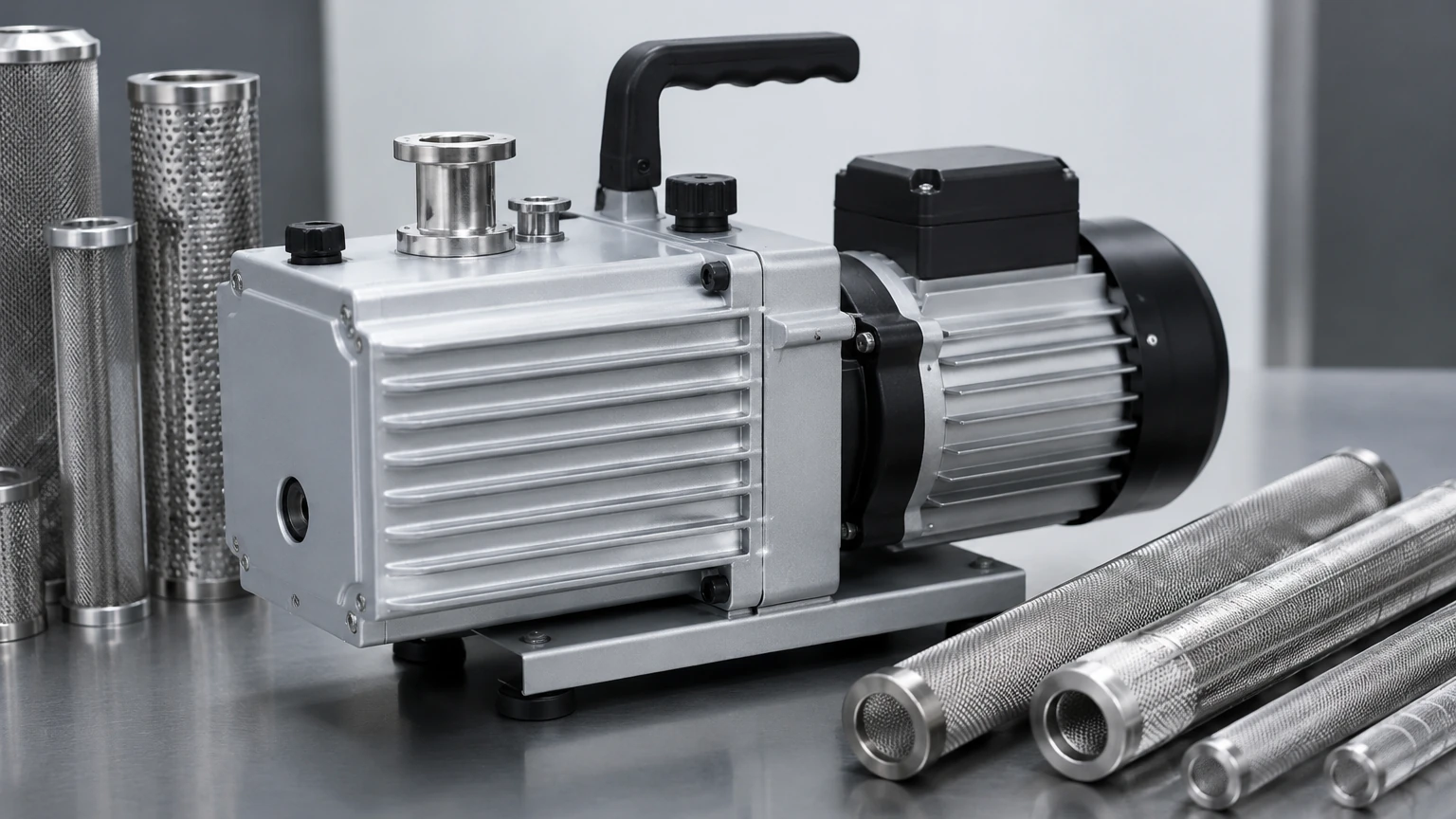
In industrial processing, the removal of moisture and non-condensable gases is a fundamental requirement for maintaining system integrity and product quality. Whether in transformer oil purification, refrigeration system commissioning, or chemical solvent recovery, the use of a standard vacuum pump designed specifically for evacuation and dehydration is a critical operational step. However, the efficiency of these vacuum systems is heavily dependent on the peripheral components that protect the pump and manage the flow of fluids and vapors.
For engineers and maintenance professionals, understanding the synergy between vacuum technology and high-performance filtration is essential. A vacuum pump can only perform to its rated specifications if it is shielded from particulate contamination and liquid ingress, which can lead to premature wear, loss of ultimate vacuum pressure, and increased maintenance costs.
Understanding the Mechanics of Evacuation and Dehydration
Evacuation refers to the process of removing air and other gases from a sealed system to achieve a specific vacuum level. Dehydration, in this context, involves the removal of water vapor. When using a standard vacuum pump designed specifically for evacuation and dehydration, the goal is often to lower the internal pressure of a vessel below the vapor pressure of water at the ambient temperature. This causes any moisture present in the system to boil off and be extracted as a vapor.
In applications such as transformer oil degassing, the vacuum pump works in tandem with heating elements and filtration stages. The pump reduces the pressure, allowing dissolved water and gases to escape the oil. If the system is not equipped with adequate filtration, the vacuum pump's internal components—such as vanes, rotors, and valves—are exposed to abrasive particles and corrosive moisture, which can degrade the pump's performance over time.
The Critical Role of Filtration in Vacuum Systems
While the vacuum pump provides the motive force for evacuation, the filtration system ensures the longevity of the equipment. Industrial filtration components, such as those manufactured by Kaifil, serve several vital functions in a vacuum circuit:
1. Pump Protection: Ingesting solid particles can cause catastrophic failure in rotary vane or screw vacuum pumps. Stainless steel wire mesh filters are often employed at the intake to capture debris before it enters the pump chamber.
2. Oil Mist Elimination: Many vacuum pumps use oil for sealing and lubrication. During the exhaust phase, oil mist can be discharged into the atmosphere. Exhaust filters or coalescers are necessary to capture this oil and return it to the reservoir.
3. Condensate Management: During dehydration, large volumes of water vapor pass through the system. If this vapor condenses inside the pump, it can emulsify with the pump oil, destroying its lubricating properties. Pre-condensers and moisture traps, often utilizing precision metal filter elements, help manage this phase change.
4. System Cleanliness: In closed-loop systems, maintaining a specific ISO cleanliness code is mandatory. Filtration ensures that as the vacuum pump circulates fluids or gases, no new contaminants are introduced.
Engineering Considerations for Filter Selection
Selecting the right filtration component for a system utilizing a standard vacuum pump designed specifically for evacuation and dehydration requires a deep dive into technical specifications. Engineers must balance filtration efficiency with the need to minimize pressure drop.
Material Compatibility
In dehydration processes involving corrosive chemicals or high-temperature vapors, material selection is paramount. Stainless steel (Grade 304 or 316L) is the industry standard due to its excellent resistance to oxidation and corrosion. Unlike synthetic or paper media, stainless steel wire mesh can withstand the mechanical stresses of high-vacuum environments without shedding fibers or collapsing.
Micron Rating and Pore Structure
The filtration accuracy, measured in microns, must be matched to the sensitivity of the vacuum pump. A filter that is too fine may cause an excessive pressure drop, forcing the pump to work harder and reducing the effective evacuation speed. Conversely, a filter that is too coarse will allow harmful particulates to pass through. Precision-woven wire mesh provides a controlled pore size, ensuring consistent performance across the entire surface of the filter element.
Structural Integrity
Under deep vacuum conditions, filter elements are subjected to significant pressure differentials. Custom-designed filter cartridges often feature reinforced inner cores or outer shrouds to prevent deformation. For OEM applications, these components must be engineered to fit precisely within the pump housing or the vacuum line to ensure a leak-proof seal.
Stainless Steel Wire Mesh vs. Synthetic Media
When evaluating filtration options for vacuum applications, engineers often compare stainless steel wire mesh with synthetic or fiberglass media. While synthetic media may offer a lower initial purchase price, stainless steel provides several long-term advantages in B2B industrial environments:
* Durability: Stainless steel filters are permanent or semi-permanent components. They can be cleaned (via ultrasonic baths or back-flushing) and reused, whereas synthetic filters are typically disposable.
* Temperature Resistance: Dehydration processes often involve heat to accelerate moisture evaporation. Stainless steel maintains its structural integrity at temperatures far exceeding the melting points of most polymers.
* Chemical Inertness: In the pharmaceutical and chemical industries, the filter must not react with the process fluid. Stainless steel is non-reactive and does not leach contaminants into the system.
* Vacuum Stability: Synthetic media can sometimes "outgas" or release trapped air and volatiles when subjected to high vacuum, which can interfere with the achievement of the target vacuum level. Stainless steel is vacuum-stable.
Optimizing Dehydration Efficiency
The efficiency of a standard vacuum pump designed specifically for evacuation and dehydration is not solely dependent on the pump's CFM (cubic feet per minute) rating. It is also a function of the system's conductance. Any restriction in the flow path, including a clogged or poorly designed filter, will slow down the dehydration process.
To optimize efficiency, engineers should look for filter designs that maximize the effective filtration area. Pleated stainless steel filter cartridges are an excellent solution, as they provide a significantly larger surface area within the same footprint compared to cylindrical filters. This increased area results in a lower face velocity, reduced pressure drop, and longer intervals between cleaning cycles.
Furthermore, in dehydration applications, the placement of the filter is critical. Placing a moisture-separating filter or a cold trap upstream of the vacuum pump can significantly reduce the load on the pump's gas ballast, allowing it to maintain a deeper vacuum for longer periods.
Maintenance and Total Cost of Ownership
In an industrial setting, the total cost of ownership (TCO) is a more accurate metric than the initial capital expenditure. For systems using a standard vacuum pump designed specifically for evacuation and dehydration, maintenance costs are driven by oil changes, seal replacements, and filter media.
Using high-quality, cleanable stainless steel filtration components can drastically reduce TCO. Instead of frequently purchasing and disposing of expensive cartridges, a facility can implement a scheduled cleaning regimen. This not only reduces waste but also ensures that the vacuum pump is always protected by a filter operating at peak efficiency.
Common signs that a vacuum filter requires maintenance include:
* An increase in the time required to reach the target vacuum level.
* Visible contamination or emulsification of the vacuum pump oil.
* An increase in the operating temperature of the vacuum pump motor.
* Audible changes in the pump's operation, indicating cavitation or strain.
Technical Confirmation Before Procurement
Before selecting filtration components for a vacuum system, purchasing teams and engineers should confirm several key parameters with their manufacturer. At Kaifil, we recommend evaluating the following:
1. Operating Pressure Range: Ensure the filter housing and element are rated for the specific vacuum levels (e.g., fine vacuum, high vacuum).
2. Flow Rate (Conductance): Verify that the filter's flow capacity matches or exceeds the pump's displacement rate to avoid throttling.
3. Contaminant Characteristics: Identify whether the primary threat is solid particulates, liquid droplets, or corrosive vapors.
4. Installation Footprint: For OEM integrations, ensure the filter dimensions align with the available space and port configurations.
By addressing these technical requirements upfront, businesses can ensure that their standard vacuum pump designed specifically for evacuation and dehydration operates reliably, protecting both the equipment and the quality of the end product. High-performance stainless steel filtration is not just an accessory; it is a fundamental component of a successful industrial vacuum strategy.
Download A Standard Vacuum Pump Designed Specifically for Evacuation and Dehydration as a PDF
