


A3 Sanitary Standards
In the realm of industrial processing, particularly within the food, beverage, dairy, and pharmaceutical sectors, the integrity of equipment design is paramount to ensuring product safety and public health. Central to this objective are the a3 sanitary standards, a set of criteria established to ensure that equipment can be effectively cleaned and sanitized, thereby preventing the growth of bacteria and the accumulation of contaminants. For engineers and procurement specialists, understanding these standards is not merely a matter of compliance but a critical component of operational efficiency and risk management.
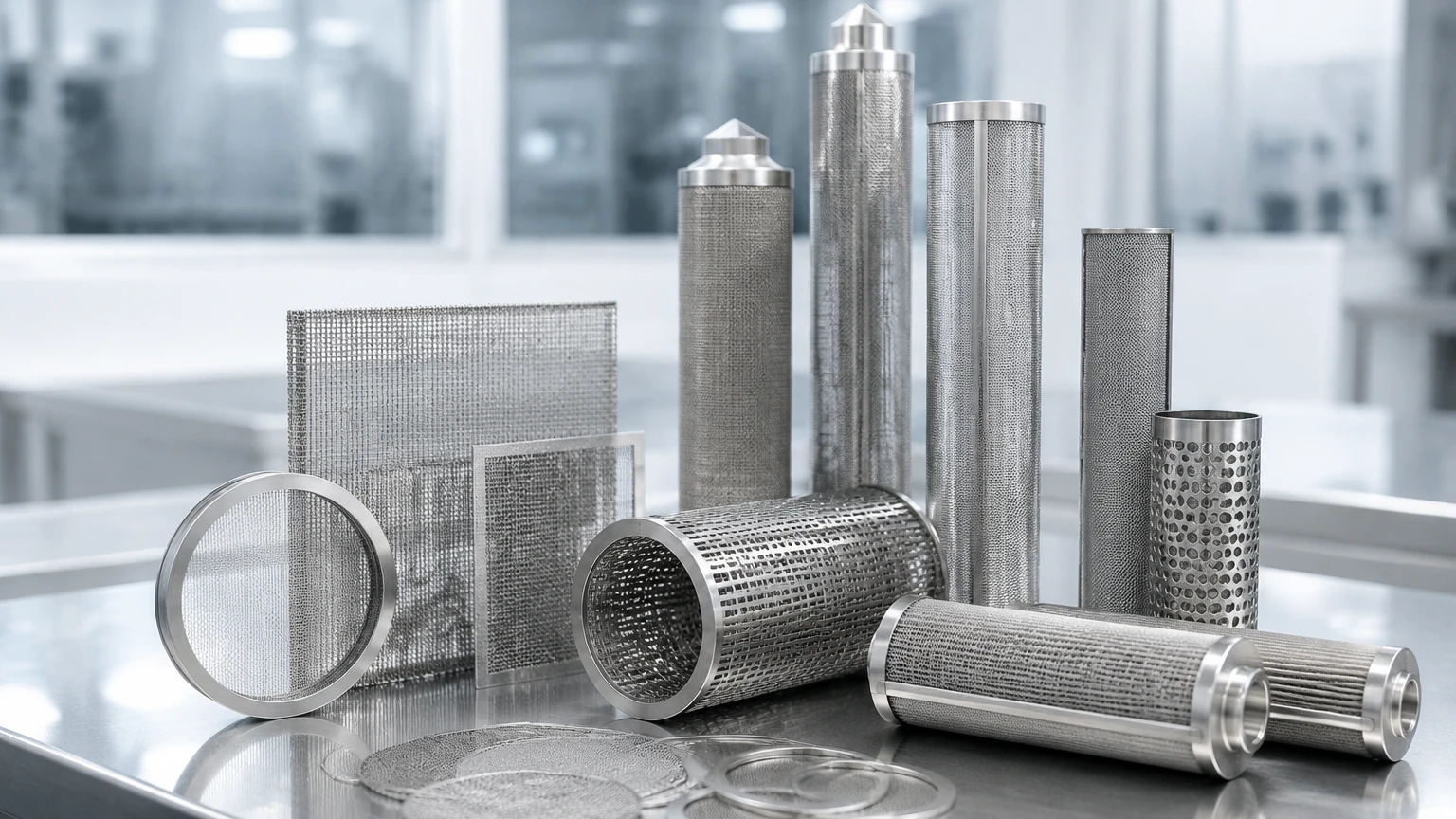
Industrial filtration components, such as stainless steel filter cartridges and wire mesh filters, must adhere to stringent hygienic design principles. When selecting filtration solutions from a specialized manufacturer like Kaifil, technical teams must evaluate how specific designs align with these sanitary requirements to ensure long-term performance in demanding environments.
Understanding the Core Principles of 3-A Sanitary Standards
The 3-A Sanitary Standards, Inc. (3-A SSI) is an independent, non-profit corporation dedicated to advancing hygienic equipment design. The organization represents a collaboration between three distinct groups: equipment manufacturers, food processors, and regulatory sanitarians. The primary goal of these standards is to protect the end consumer by ensuring that every piece of equipment used in the production process is "cleanable to a microbiological level."
For a component to meet a3 sanitary standards, it must satisfy several fundamental design criteria:
1. Accessibility: All surfaces that come into contact with the product must be accessible for mechanical cleaning or designed for Clean-in-Place (CIP) systems.
2. Surface Integrity: Surfaces must be smooth, non-porous, and free of pits, cracks, or crevices where bacteria can harbor.
3. Material Safety: Materials used in construction must be non-toxic, corrosion-resistant, and non-reactive with the product or cleaning chemicals.
4. Drainability: The equipment must be designed to be self-draining to prevent the pooling of liquids, which can lead to microbial growth.
In filtration applications, these principles are applied to the filter media, the internal support structures, and the external housing. A filter that fails to meet these criteria can become a source of contamination rather than a tool for purification.
Material Selection and Surface Finish Requirements
Material science is the foundation of any sanitary filtration system. Stainless steel is the industry standard due to its durability and resistance to corrosion. However, not all grades of stainless steel are suitable for applications requiring adherence to a3 sanitary standards.
Grade Selection
Typically, 300-series stainless steel is required, with Type 304 and Type 316L being the most common. Type 316L is often preferred for more aggressive environments, such as those involving high salt concentrations or acidic cleaning agents, due to its superior resistance to pitting and crevice corrosion. The "L" designation indicates low carbon content, which is essential for maintaining corrosion resistance after welding.
Surface Roughness (Ra)
A critical technical specification in sanitary design is the surface roughness average (Ra). For a surface to be considered sanitary under 3-A guidelines, it generally must have a maximum Ra of 32 micro-inches (0.8 micrometers). Achieving this finish often requires specialized manufacturing processes, including:
* Mechanical Polishing: Using progressively finer abrasives to smooth the metal surface.
* Electropolishing: An electrochemical process that removes a microscopic layer of material, eliminating burrs and peaks to create a mirror-like, ultra-smooth finish that is easier to clean and more resistant to bacterial adhesion.
For complex filtration components like wire mesh or sintered metal filters, achieving a consistent Ra across all surfaces is a significant engineering challenge that requires precision manufacturing capabilities.
Design Considerations for Sanitary Filtration Components
When designing or specifying stainless steel filter cartridges for sanitary applications, several structural features must be scrutinized to ensure compliance with a3 sanitary standards. The goal is to eliminate "dead legs" or areas where fluid can stagnate.
Weld Quality and Geometry
Welding is a critical point of failure in sanitary design. All welds in the product contact zone must be continuous, smooth, and ground flush with the base metal. There should be no visible pits, folds, or crevices. In many cases, orbital welding is used to ensure consistent, high-quality joints that meet the stringent requirements of the dairy and pharmaceutical industries.
Radii and Corners
Sharp internal corners are difficult to clean and are prohibited in sanitary designs. The standards specify minimum radii for all internal angles (often 1/8 inch or 1/4 inch, depending on the specific application) to ensure that cleaning solutions can reach every part of the surface and that debris can be easily flushed away.
Seals and Gaskets
The interface between the filter cartridge and the housing is a common site for contamination. Sanitary filters use specialized gaskets and O-rings made from FDA-compliant elastomers such as EPDM, Silicone, or FKM (Viton). These seals must be designed to fit into grooves that prevent them from being extruded into the flow path and must be easily replaceable during routine maintenance.
The Role of CIP and SIP in Sanitary Filtration
In modern industrial processing, the ability to clean equipment without disassembly is vital for maintaining high throughput and reducing labor costs. Clean-in-Place (CIP) and Steam-in-Place (SIP) systems are the standard methods for sanitizing filtration systems.
Clean-in-Place (CIP)
CIP involves circulating cleaning detergents, acid rinses, and water through the filtration system at specific velocities and temperatures. For a filter to be CIP-compatible, it must be robust enough to withstand the mechanical force of the fluid and the chemical profile of the cleaning agents. The internal geometry must allow the cleaning solution to reach all surfaces, including the pleats of a mesh filter or the pores of a sintered element.
Steam-in-Place (SIP)
SIP uses saturated steam to sterilize the equipment. This process subjects the filter to high temperatures (typically 121°C to 135°C) and pressure. Stainless steel filtration components are ideal for SIP because they do not suffer from the thermal degradation that can affect polymer-based filters. However, engineers must account for thermal expansion and ensure that the seals used can maintain their integrity under these conditions.
Adhering to a3 sanitary standards ensures that the filtration system is designed to facilitate these cleaning processes effectively, minimizing the risk of cross-contamination between product batches.
Evaluating Risks and Compliance in Procurement
For purchasing teams and engineers, the procurement of sanitary filtration components involves more than just comparing micron ratings. It requires a deep dive into the manufacturer’s quality control processes and design philosophy. When evaluating a supplier, it is essential to confirm the following:
* Documentation: Can the manufacturer provide material mill certificates (e.g., 3.1 certificates) to verify the grade of stainless steel used? Are there certificates of compliance for elastomers and plastics?
* Fabrication Standards: Does the manufacturer follow recognized welding standards (such as ASME BPE or AWS) that align with sanitary requirements?
* Customization Capabilities: In many industrial applications, off-the-shelf filters may not meet the specific flow or space requirements of a facility. A manufacturer with OEM capabilities can design custom solutions that maintain compliance with a3 sanitary standards while optimizing performance for a specific application.
Common risks in non-compliant equipment include "biofilm" formation, where bacteria attach to rough surfaces and create a protective layer that is resistant to standard cleaning. This can lead to intermittent contamination issues that are difficult to trace and costly to remediate.
Selecting a Filtration Partner for Sanitary Applications
Choosing the right partner for industrial filtration is a strategic decision. A manufacturer like Kaifil provides the technical expertise necessary to navigate the complexities of hygienic design. By focusing on precision metal filtration components, such as wire mesh and stainless steel cartridges, they support industries where cleanliness is not optional.
When discussing requirements with a filtration expert, engineers should be prepared to provide details on:
* The specific product being filtered (viscosity, temperature, acidity).
* The required filtration accuracy (micron rating).
* The existing CIP/SIP protocols in the facility.
* The regulatory environment (e.g., FDA, USDA, or specific 3-A standards).
By integrating these factors into the design phase, companies can ensure that their filtration systems provide reliable, long-term service while meeting the highest levels of sanitary integrity. High-quality stainless steel filters not only protect the product but also extend the life of downstream equipment by removing particulate matter that could cause wear or damage.
Conclusion
The a3 sanitary standards serve as a vital benchmark for quality and safety in industrial processing. By adhering to these principles—ranging from material selection and surface finish to sophisticated structural design—manufacturers of filtration components provide the foundation for hygienic production. For engineers and technical professionals, prioritizing these standards during the selection of stainless steel filter cartridges and wire mesh solutions is essential for maintaining operational excellence and ensuring the safety of the global food and pharmaceutical supply chains.
