


Ac Filter Foam
In industrial HVAC systems, equipment cooling, and air intake applications, the selection of filtration media is a critical engineering decision that impacts both system efficiency and equipment longevity. Ac filter foam, specifically reticulated polyurethane foam, serves as a versatile and cost-effective solution for primary air filtration and pre-filtration. However, for technical professionals and purchasing teams, understanding the specific properties, performance limitations, and engineering trade-offs of this material is essential to ensure it meets the rigorous demands of industrial environments.
While foam-based media are common in standard ventilation, industrial applications often require a transition toward more durable materials, such as stainless steel wire mesh or precision metal components, when environmental factors like high temperatures, corrosive chemicals, or high-pressure differentials are present. This guide examines the technical specifications of ac filter foam and provides an engineering perspective on its application and replacement cycles.
Understanding the Structure of Reticulated Foam
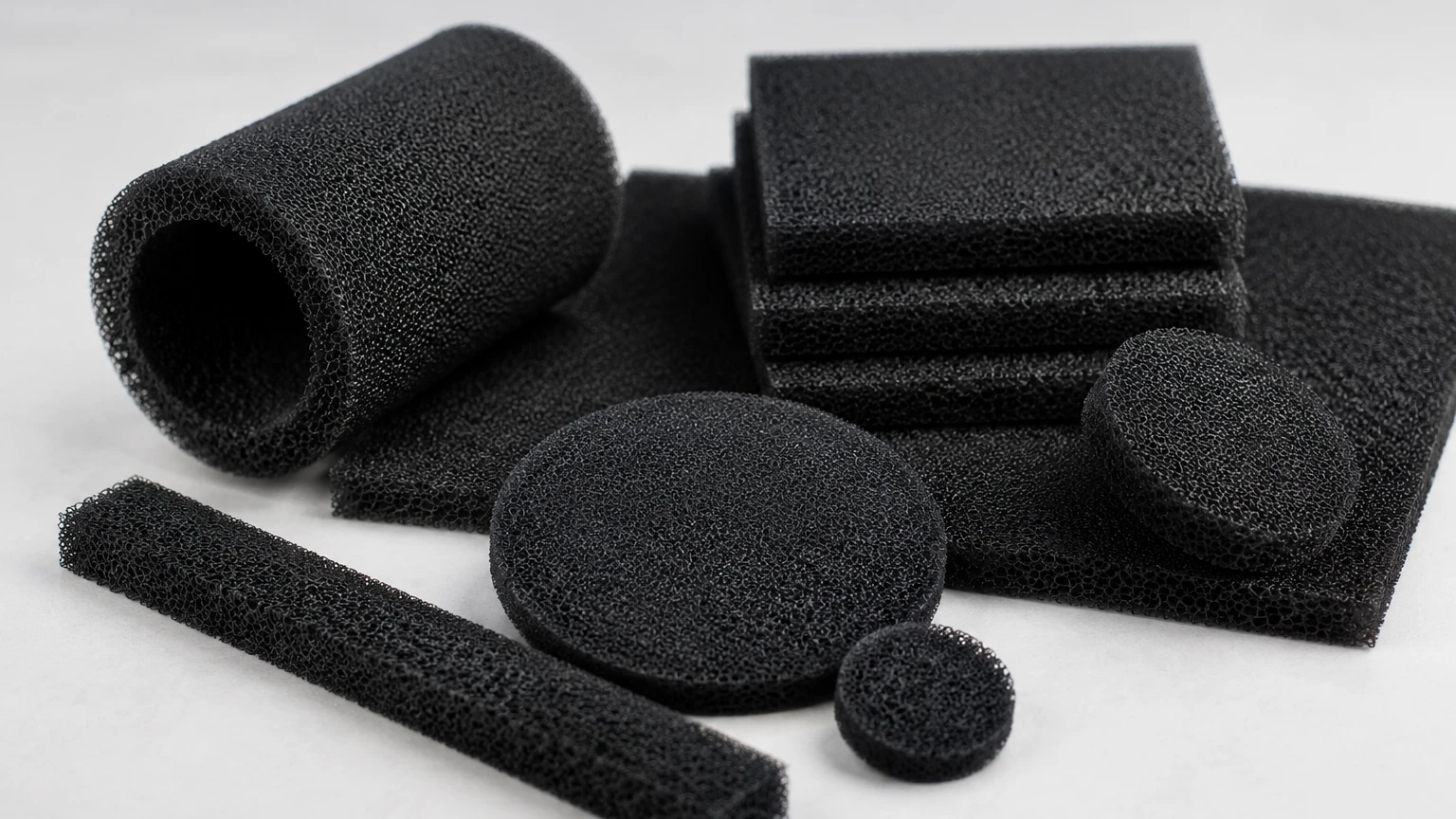
Ac filter foam is typically manufactured through a process known as reticulation. Standard polyurethane foam consists of a network of cells with thin membranes (windows) between the skeletal strands. In reticulated foam, these membranes are removed through either a thermal or chemical process, leaving only a three-dimensional skeletal structure.
This open-cell architecture is what makes the material suitable for filtration. By removing the membranes, the material achieves high porosity—often exceeding 95%—which allows for significant airflow with minimal initial pressure drop. The skeletal strands act as the impingement surface for airborne particulates. As air travels through the tortuous path of the foam, particles are trapped by the strands through interception and impingement.
Pores Per Inch (PPI) and Filtration Grading
The primary metric for classifying ac filter foam is Pores Per Inch (PPI). This measurement defines the density of the cell structure and directly correlates to both filtration efficiency and airflow resistance:
* 10 to 20 PPI: Large, coarse pores. These are primarily used as pre-filters for large debris, such as insects or heavy lint, and are common in rugged industrial machinery air intakes.
* 30 to 45 PPI: The standard range for general HVAC and equipment cooling. These grades offer a balance between capturing medium-sized dust particles and maintaining high airflow.
* 60 to 100 PPI: Fine pore structures. These provide higher filtration efficiency for smaller particulates but require more frequent maintenance due to a faster increase in pressure drop as the pores become loaded.
Key Performance Indicators for Industrial Filtration
When evaluating ac filter foam for a B2B or industrial application, engineers must look beyond the PPI rating and consider the specific performance curves of the material.
Airflow Resistance and Pressure Drop
The initial resistance of a clean foam filter is remarkably low, but it is highly sensitive to face velocity. In industrial ventilation, maintaining a low pressure drop is vital for reducing the energy consumption of blower motors. As dust accumulates, the effective open area of the foam decreases, leading to a non-linear increase in pressure drop. Engineers should specify a "terminal pressure drop"—the point at which the filter must be cleaned or replaced to prevent system strain or reduced cooling capacity.
Dust Holding Capacity (DHC)
DHC refers to the amount of particulate matter the foam can retain before reaching its terminal pressure drop. Reticulated foam has a high DHC compared to thin fabric filters because it utilizes the entire depth of the material for filtration rather than just the surface. This depth-loading characteristic is particularly beneficial in environments with high ambient dust concentrations, such as woodworking facilities or metal fabrication shops.
Chemical and Thermal Stability
Standard polyurethane ac filter foam is susceptible to degradation when exposed to certain environmental factors. It generally has a maximum continuous operating temperature of approximately 90°C (194°F). Beyond this, the polymer structure may soften or become brittle. Furthermore, polyurethane is sensitive to UV radiation and certain industrial solvents. In chemical processing plants where acidic or alkaline vapors are present, standard foam may lose its structural integrity within months, necessitating a shift toward stainless steel filtration components.
Engineering Considerations for Equipment Cooling
For engineers designing cooling systems for electronic enclosures, hydraulic power units, or industrial control cabinets, ac filter foam is often the first line of defense. However, several design factors must be addressed to ensure reliable operation.
Face Velocity and Bypass Prevention
The velocity of air at the face of the filter should be kept within the manufacturer’s recommended range (typically 250 to 500 feet per minute). If the velocity is too high, particles may be "sheared" through the foam, leading to downstream contamination. Additionally, the filter must be securely seated in its housing. Because foam is flexible, high-pressure air can cause the edges to blow out or bypass the frame if not properly supported by a metal grid or retaining clip.
Moisture and Microbial Growth
In humid environments or applications involving water spray, polyurethane foam can retain moisture. This not only increases the pressure drop significantly (as water fills the pores) but also creates a breeding ground for microbial growth. For food and beverage or pharmaceutical applications, antimicrobial-treated foams are sometimes used, though many engineers prefer the cleanability and sterility of stainless steel wire mesh filters in these sensitive sectors.
Maintenance and Lifecycle Management
One of the primary advantages cited for ac filter foam is its washability. Unlike disposable fiberglass or paper filters, reticulated foam can often be cleaned and reused. However, the cleaning process must be managed carefully in an industrial setting.
Cleaning Protocols
Foam filters can be cleaned using compressed air (vacuuming from the clean side) or by washing with water and mild detergents. It is critical that the foam is completely dry before re-installation to prevent moisture-related issues. In many B2B contexts, the labor cost associated with cleaning filters outweighs the cost of replacement, leading many facilities to treat foam as a semi-disposable component.
Signs of Degradation
During routine inspections, maintenance teams should look for "dusting" or "shedding." This occurs when the polyurethane polymer begins to break down due to age or chemical exposure, releasing small bits of foam into the airstream. If the foam feels brittle or loses its elasticity, it has reached the end of its service life and must be replaced immediately to avoid damaging downstream equipment.
When to Upgrade: From Foam to Stainless Steel
While ac filter foam is effective for general-purpose air filtration, certain industrial conditions demand the superior performance of metal filtration media. As a specialist in custom filtration, Kaifil provides advanced alternatives for environments where foam fails to meet performance or safety standards.
High-Temperature Applications
In exhaust systems, kilns, or high-heat processing areas, polyurethane foam will melt or ignite. Stainless steel wire mesh filters can withstand temperatures exceeding 500°C, providing permanent filtration solutions that do not degrade under thermal stress.
Corrosive and High-Pressure Environments
In chemical processing or offshore applications, salt air and chemical vapors quickly destroy synthetic foams. Stainless steel (304 or 316L) offers exceptional corrosion resistance. Furthermore, in high-pressure hydraulic or pneumatic systems, the structural rigidity of a metal filter cartridge prevents the media from collapsing or migrating under load.
Precision and Customization
For OEM manufacturers requiring exact filtration ratings and integrated housing designs, custom metal components offer tighter tolerances than flexible foam. For those seeking high-performance industrial filtration solutions, you can Main Page to review product options and application support offered by Kaifil.
Conclusion: Selecting the Right Media
Ac filter foam remains a staple in the industrial world due to its low cost, high airflow, and depth-loading capabilities. It is an excellent choice for pre-filtration and light-duty equipment cooling. However, engineers must remain vigilant regarding its thermal and chemical limitations.
When designing a system, consider the total cost of ownership, including replacement frequency, energy costs associated with pressure drop, and the potential risk of equipment failure due to media degradation. In many high-stakes industrial applications, the transition from ac filter foam to precision-engineered stainless steel filtration components is a necessary step toward achieving long-term operational reliability and superior filtration performance. By matching the filtration media to the specific rigors of the application, technical teams can ensure optimal protection for their critical infrastructure.
