


American Melt Blown and Filtration
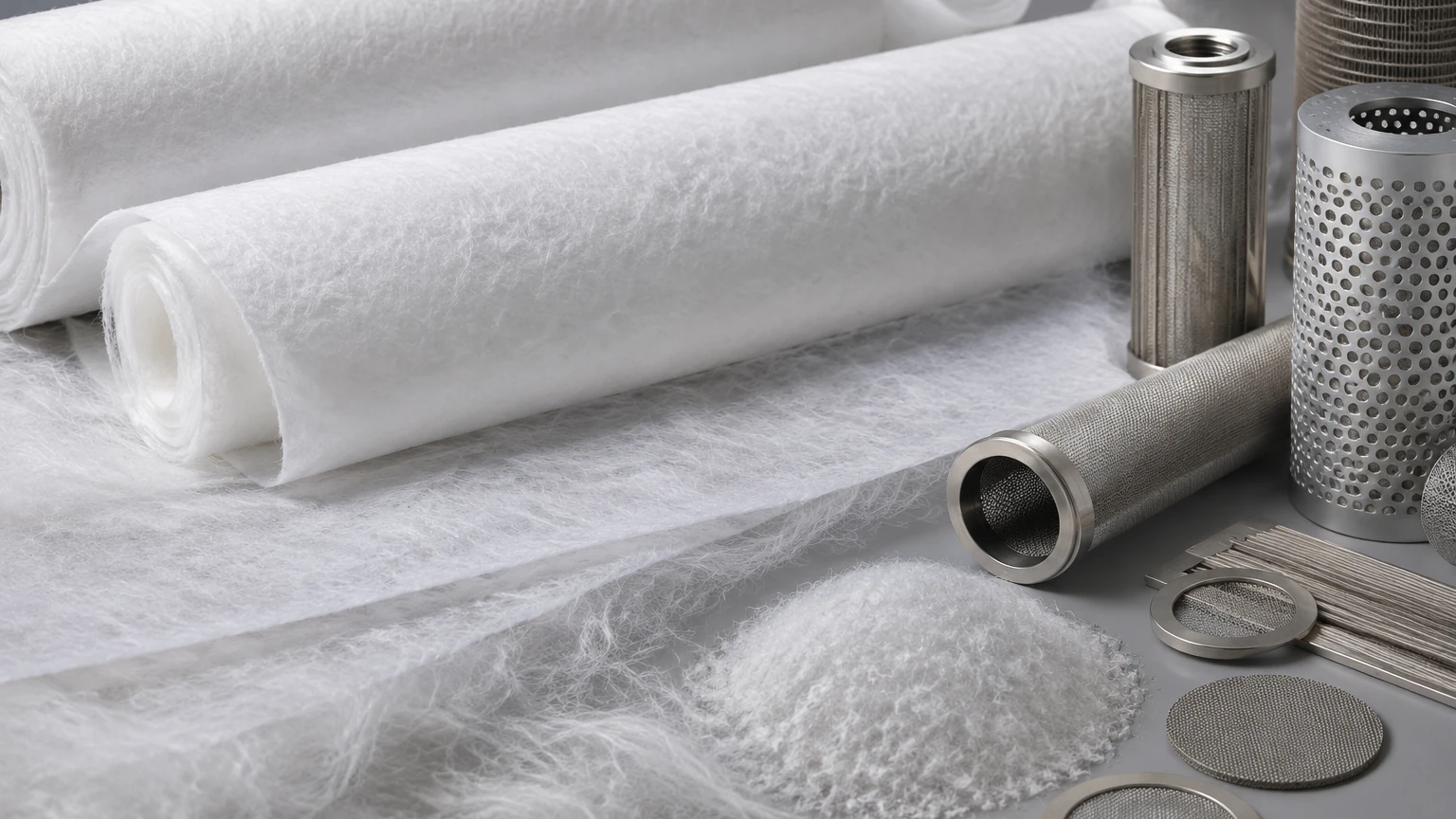
In the landscape of industrial separation, the term "American melt blown and filtration" refers to a sophisticated manufacturing process and a specific class of depth filtration media widely utilized across the chemical, pharmaceutical, and water treatment sectors. Melt blown technology involves the extrusion of thermoplastic polymers—most commonly polypropylene—through high-velocity hot air to create a web of micro-denier fibers. These fibers are then collected on a rotating mandrel to form a self-bonded, porous structure.
For engineers and procurement professionals, selecting the right filtration media requires a deep understanding of the trade-offs between disposable polymer-based depth filters and cleanable, high-precision metal alternatives. While melt blown filters offer excellent initial cost-efficiency and depth-loading characteristics, demanding industrial environments often necessitate a transition to stainless steel wire mesh or sintered metal components to ensure structural integrity and long-term performance. To explore a comprehensive range of industrial filtration solutions, professionals often visit the Main Page of specialist manufacturers to evaluate material compatibility and engineering specifications.
The Engineering Principles of Melt Blown Media
The efficacy of melt blown filtration is rooted in its unique fiber structure. Unlike surface filtration, where particles are captured on a single plane, melt blown media utilizes depth filtration. The process creates a complex, three-dimensional labyrinth of fibers that trap contaminants throughout the entire thickness of the filter wall.
Gradient Density Construction
One of the primary advantages of modern melt blown production is the ability to create gradient density structures. By varying the air pressure and extrusion speed during the manufacturing process, engineers can produce a filter that is coarser on the outer layers and progressively finer toward the inner core. This design allows larger particles to be captured on the surface, while finer particles penetrate deeper into the media. This prevents premature surface blinding and significantly increases the dirt-holding capacity of the cartridge.
Fiber Diameter and Pore Distribution
Melt blown fibers typically range from 1 to 10 microns in diameter. The thermal bonding of these fibers occurs without the need for chemical binders or adhesives, which is critical for maintaining high purity in sensitive applications like food and beverage or pharmaceutical processing. The resulting pore structure is non-uniform, which is why melt blown filters are generally classified by "nominal" micron ratings rather than the "absolute" ratings typically associated with precision-woven stainless steel wire mesh.
Material Selection and Chemical Compatibility
When evaluating American melt blown and filtration options, material science is the first boundary an engineer must consider. Polypropylene is the industry standard due to its broad chemical resistance and low cost. It is hydrophobic, resistant to most acids and bases, and meets FDA requirements for food contact.
However, polypropylene has physical limitations:
* Temperature Sensitivity: Standard polypropylene melt blown filters are generally limited to operating temperatures below 60°C (140°F). Beyond this point, the polymer may soften, leading to pore deformation or fiber migration.
* Structural Integrity: Under high differential pressure (ΔP), polymer fibers can shift, causing "unloading" where previously captured contaminants are pushed through the filter and back into the process stream.
* Chemical Limitations: While resistant to many chemicals, polypropylene is susceptible to degradation by strong oxidizing agents and certain hydrocarbons.
In applications exceeding these parameters—such as high-temperature steam filtration or aggressive solvent processing—engineers often pivot to stainless steel filtration components. Stainless steel 304 and 316L provide the mechanical strength and thermal stability that polymer-based melt blown media cannot provide.
Performance Evaluation: Melt Blown vs. Stainless Steel
Choosing between a disposable melt blown filter and a permanent stainless steel filter involves a multi-variable analysis of performance expectations and process requirements.
Filtration Efficiency and Beta Ratios
Melt blown filters are excellent for general-purpose clarification. However, because they are depth filters with varying pore sizes, their efficiency is often expressed as a percentage (e.g., 90% or 95% at a specific micron size). In contrast, stainless steel wire mesh filters manufactured by specialized providers like Kaifil offer precise, geometric pore openings that provide absolute filtration ratings. For critical applications where a single particle bypass could compromise a downstream component or product batch, the absolute rating of a metal filter is often the safer engineering choice.
Pressure Drop (ΔP) and Flow Rates
Initial pressure drop is a critical metric for pump sizing and energy consumption. Melt blown filters typically have a higher initial ΔP compared to high-porosity stainless steel mesh because the depth of the media creates more resistance. As the filter loads with contaminants, the ΔP in a melt blown filter increases exponentially. Stainless steel filters, particularly pleated designs, offer a larger surface area in a compact footprint, which can result in lower operating pressures and higher flow rates for the same micron rating.
Total Cost of Ownership and Sustainability
The economic argument for American melt blown and filtration often centers on the low unit price of disposable cartridges. For low-flow applications or processes with infrequent contaminant spikes, melt blown is highly cost-effective. However, the Total Cost of Ownership (TCO) tells a different story in high-volume industrial settings.
1. Replacement Frequency: Melt blown filters are single-use. In a high-load environment, the cost of frequent replacements, labor for change-outs, and production downtime can quickly exceed the initial investment of a permanent filter.
2. Disposal Costs: Spent polymer filters, especially those contaminated with hazardous chemicals or oils, incur significant disposal fees and contribute to an operation's environmental footprint.
3. The Case for Stainless Steel: While a stainless steel filter cartridge represents a higher upfront capital expenditure, it is cleanable and reusable. Methods such as backwashing, ultrasonic cleaning, or chemical dipping can restore a metal filter to near-original performance, providing a service life that can span years rather than weeks.
Critical Applications for Melt Blown and Metal Filtration
Understanding where each technology excels is vital for optimizing process uptime.
Pre-filtration for Reverse Osmosis (RO)
In water treatment, melt blown filters are the gold standard for RO pre-filtration. They protect expensive membranes from silt, sand, and organic debris. Their depth-loading capability is ideal for handling the varied particle sizes found in raw water sources.
Chemical Processing and Catalysts
In chemical manufacturing, the presence of aggressive solvents often precludes the use of melt blown media. Here, precision metal filter components are required. Stainless steel filters are used to recover expensive catalysts from process streams, where the filter must withstand high pressures and temperatures while maintaining a precise cutoff point.
Food and Beverage Clarification
Both technologies play a role here. Melt blown filters are used for the initial clarification of juices or syrups, while stainless steel mesh is often used in the final stages of beer or wine filtration to ensure clarity and remove yeast cells without stripping the product of its essential characteristics.
Engineering Checkpoints Before Purchasing
Before finalizing a filtration strategy, technical professionals should confirm several key parameters with their supplier. Whether sourcing standard American melt blown and filtration products or customized metal components, the following data points are essential:
* Fluid Compatibility: Confirm the pH, viscosity, and chemical composition of the fluid. Ensure the filter media and the seals (O-rings/gaskets) are compatible.
* Operating Conditions: Define the maximum operating temperature and the maximum allowable differential pressure. For melt blown filters, ensure the "collapse pressure" is well above the expected ΔP at the end of the filter's life.
* Contaminant Profile: Is the contaminant deformable (like oil droplets) or hard (like scale)? Depth filters like melt blown are better for deformable particles, while surface filters like wire mesh are superior for hard, granular particles.
* Regulatory Compliance: Ensure the materials meet necessary certifications, such as FDA Title 21 CFR or European EC 1935/2004 for food contact.
The Role of Customization in Filtration
While off-the-shelf melt blown cartridges satisfy many standard requirements, industrial challenges often demand bespoke solutions. Customization may involve specialized end-cap configurations to fit existing housings, specific pleat densities to handle high solids loading, or the integration of different media layers to achieve a multi-stage filtration effect in a single cartridge.
Manufacturers specializing in stainless steel filtration, such as Kaifil, provide the engineering support necessary to design these custom components. By focusing on material durability and precise filtration performance, these solutions bridge the gap where standard polymer filters fall short. For more information on custom metal filtration and engineering capabilities, reviewing the Main Page can provide insights into how specialized manufacturing supports demanding industrial environments.
In summary, the choice between American melt blown and filtration media and precision stainless steel components is not a matter of one being superior to the other, but rather a matter of application alignment. Melt blown filters offer a versatile, cost-effective solution for depth filtration in moderate conditions, while stainless steel filters provide the robustness, precision, and longevity required for the most challenging industrial processes. By evaluating the chemical, thermal, and mechanical demands of a system, engineers can select the filtration technology that maximizes both performance and profitability.
