


Aramid Filter Bag
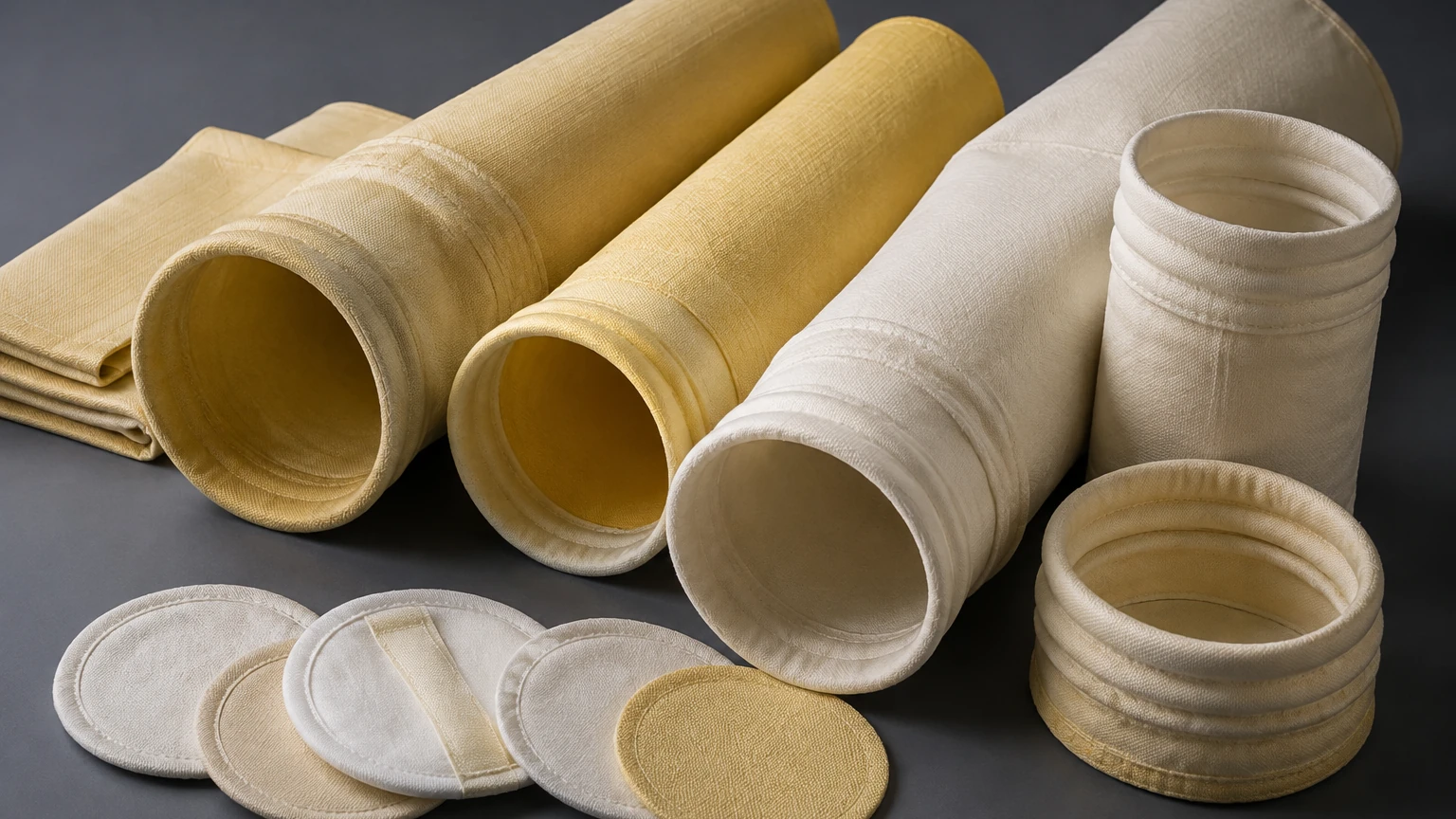
In industrial dust collection and gas filtration, selecting the appropriate filter media is a critical engineering decision that directly impacts operational efficiency, compliance with emission standards, and the total cost of ownership. Among the various synthetic fibers available, the aramid filter bag stands out as a primary solution for high-temperature environments. Often referred to by trade names such as Nomex, aramid fibers provide a balance of thermal stability, mechanical strength, and abrasion resistance that few other materials can match in the 160°C to 200°C temperature range.
For engineers and procurement teams managing baghouses in asphalt plants, cement kilns, or metal smelting facilities, understanding the technical nuances of aramid media is essential. This guide explores the performance characteristics, application limits, and engineering considerations required to optimize the use of aramid filter bags in demanding industrial settings.
Understanding Aramid Fiber Properties and Performance
Aramid, short for "aromatic polyamide," is a category of heat-resistant and strong synthetic fibers. In the context of industrial filtration, meta-aramid is the most common variant used. The molecular structure of meta-aramid provides inherent flame retardancy and high thermal stability, which does not diminish significantly until the material reaches its decomposition temperature.
Thermal Stability
One of the defining features of an aramid filter bag is its ability to operate continuously at temperatures up to 200°C (392°F). It can also handle intermittent surges or peaks up to 240°C (464°F). This thermal resilience makes it an ideal bridge between lower-temperature polymers like polyester or polypropylene and high-cost, high-temperature materials like PTFE or fiberglass.
Mechanical Strength and Abrasion Resistance
Aramid fibers possess excellent tensile strength and a high modulus of elasticity. In a baghouse environment, where filter bags are subjected to frequent mechanical stress from pulse-jet cleaning cycles and the abrasive impact of dust particles, aramid’s durability is a significant advantage. It resists wear from high-velocity dust streams better than many other synthetic fibers, leading to a longer service life in abrasive applications.
Dimensional Stability
Unlike some synthetic materials that shrink or elongate significantly when exposed to heat, aramid maintains its shape and dimensions. This dimensional stability ensures that the filter bag remains properly tensioned on its support cage, preventing the sagging or tightening that can lead to mechanical failure or inefficient cleaning.
Key Industrial Applications for Aramid Filter Bags
The unique properties of aramid make it the standard choice for several specific industrial processes where exhaust gases are both hot and potentially abrasive.
Asphalt Mixing Plants
Asphalt production involves heating aggregates and mixing them with bitumen, a process that generates significant volumes of hot, dusty air. Aramid filter bags are the industry standard for asphalt plant baghouses because they can withstand the typical operating temperatures (150°C–170°C) and the abrasive nature of stone dust and sand particles.
Cement and Lime Kilns
In the cement industry, baghouses are used to capture dust from kilns, clinker coolers, and finish mills. The high-temperature exhaust from kilns often requires aramid media to ensure the filtration system can handle the heat without the risk of melting or rapid degradation.
Metal Smelting and Foundries
Steel mills, aluminum smelters, and lead foundries generate hot gases during melting and refining processes. Aramid filter bags are frequently employed in these secondary smelting operations where gas temperatures exceed the limits of polyester but do not justify the expense of pure PTFE membranes or stainless steel filtration components.
Chemical and Power Generation
While aramid is sensitive to certain chemical environments (discussed below), it is used in various chemical processing and power generation applications where the gas stream is relatively dry and the pH levels are controlled. It serves as an effective medium for capturing fly ash and chemical powders in high-temperature flue gas streams.
Selection Criteria: Engineering Considerations
When specifying an aramid filter bag, engineers must look beyond temperature ratings. Several factors influence the performance and longevity of the media within a specific system.
Gas Chemistry and Hydrolysis Risk
The primary weakness of aramid is its susceptibility to hydrolysis—the chemical breakdown of the fiber in the presence of moisture and high temperatures. If the gas stream has a high moisture content and the temperature drops near the dew point, the aramid fibers can lose their tensile strength rapidly. Similarly, aramid is sensitive to high concentrations of SOx (sulfur oxides) and strong mineral acids. Engineers must conduct a thorough gas analysis to ensure that the chemical environment will not prematurely degrade the bags.
Air-to-Cloth Ratio
The air-to-cloth (A/C) ratio, or filtration velocity, is a measure of the volume of gas passing through a unit area of filter media. For aramid bags, maintaining an appropriate A/C ratio is vital to prevent deep-seated dust penetration, which can lead to "blinding" (irreversible clogging). Typically, A/C ratios for aramid in pulse-jet systems range from 0.8 to 1.2 m/min, depending on the dust load and particle size.
Surface Treatments and Coatings
To enhance performance, aramid filter bags are often treated with various finishes:
* Singeing: Removing loose fibers from the surface to improve dust cake release.
* Calendering: Passing the felt through high-pressure rollers to create a smoother surface and more uniform pore structure.
* PTFE Coating/Membrane: Applying a micro-porous PTFE membrane to the surface of the aramid felt. This significantly improves filtration efficiency for fine particles and facilitates excellent dust cake release, though it increases the initial cost.
* Oleophobic/Hydrophobic Treatments: These treatments help the bag resist moisture and oil, providing a degree of protection against hydrolysis and sticky dust.
Comparing Aramid with Stainless Steel and Other Media
In the broader landscape of industrial filtration, engineers often compare fabric bags with metal filtration solutions. While aramid is a leader in high-temperature fabric filtration, it is useful to understand where it sits relative to the precision metal components manufactured by Kaifil.
Temperature and Chemical Resilience
While aramid handles up to 200°C, stainless steel filter cartridges and wire mesh filters can operate at much higher temperatures, often exceeding 500°C or more depending on the alloy. Furthermore, stainless steel offers superior resistance to hydrolysis and a wider range of chemical pH levels. In applications where the gas stream is highly corrosive or where moisture cannot be strictly controlled, a transition from fabric bags to metal filtration media may be necessary for system reliability.
Durability and Cleaning
Fabric bags, including aramid, are consumables with a finite lifespan, typically ranging from one to five years depending on the application. In contrast, stainless steel filter elements are often cleanable and reusable, offering a different total cost of ownership profile. While the initial investment in metal filtration is higher, the reduction in replacement frequency and the ability to withstand extreme pressure differentials can make it a more robust choice for critical process filtration.
Filtration Accuracy
Aramid needle felts provide effective depth filtration for general dust collection. However, for applications requiring high-precision separation or the removal of specific particulate sizes in liquid or gas streams, precision-engineered wire mesh and sintered metal filters provide more consistent and verifiable micron ratings. Engineers should consult the Main Page of specialized manufacturers to compare the performance of metal media against fabric options for their specific process requirements.
Maintenance and Troubleshooting for Optimal Lifespan
The performance of an aramid filter bag is heavily dependent on the operation of the baghouse itself. Proper maintenance can extend the life of the bags and prevent unplanned downtime.
Differential Pressure Monitoring
The pressure drop across the baghouse (differential pressure) is the most important indicator of filter health. A steady increase in residual differential pressure over time suggests that the bags are becoming blinded. If the pressure spikes suddenly, it may indicate a failure in the cleaning system or a sudden change in the process gas moisture content.
Pulse-Jet Cleaning Parameters
Pulse-jet cleaning uses compressed air to dislodge the dust cake from the exterior of the bags. It is critical to optimize the pulse pressure and frequency. If the pressure is too high, it can cause mechanical wear on the aramid fibers and the support cages. If it is too low, the dust cake will not be effectively removed, leading to high pressure drops and reduced airflow.
Common Failure Modes
* Hydrolysis: Characterized by the bags becoming brittle and losing their strength, often appearing like "rotten" fabric.
* Chemical Attack: Visible as localized thinning or holes in the fabric, often caused by acid condensation.
* Mechanical Wear: Usually found at the bottom of the bag or where the bag contacts the horizontal wires of the cage. This is often caused by poor cage quality or excessive pulse-jet pressure.
* Thermal Surge: If temperatures exceed 240°C even for a short duration, the aramid fibers can harden and lose their flexibility, leading to cracking and failure.
Procurement and Customization: What Engineers Need to Confirm
Before placing an order for aramid filter bags, technical teams should confirm several key specifications with their supplier to ensure compatibility and performance.
1. Exact Dimensions: Provide precise measurements for the bag length and diameter. Even a small discrepancy can lead to improper fitment, resulting in leaks or mechanical damage.
2. Top and Bottom Construction: Specify the attachment method, such as a snap-band top, flange top, or corded bottom. The integrity of the seal at the tube sheet is vital for maintaining emission standards.
3. Fabric Weight: Aramid needle felts are typically available in weights ranging from 450g/m² to 550g/m². Heavier weights generally offer better durability but may increase the initial pressure drop.
4. Cage Compatibility: Ensure that the support cages are in good condition. Aramid bags require high-quality cages with a sufficient number of vertical wires (typically 10 to 20) to provide uniform support and minimize mechanical stress during pulsing.
5. Operating Environment Data: Share the expected continuous operating temperature, peak temperatures, moisture content (percentage by volume), and the chemical composition of the gas (specifically SOx, NOx, and HCl levels).
By focusing on these technical details, engineers can select an aramid filter bag that provides reliable service in high-temperature dust collection systems. While aramid is a robust and versatile material, its success depends on a deep understanding of the application environment and a commitment to proper baghouse maintenance. For those exploring more specialized or higher-temperature filtration needs, reviewing the capabilities of stainless steel and precision metal solutions remains an essential part of the engineering evaluation process.
