


Aramid Filter Bags
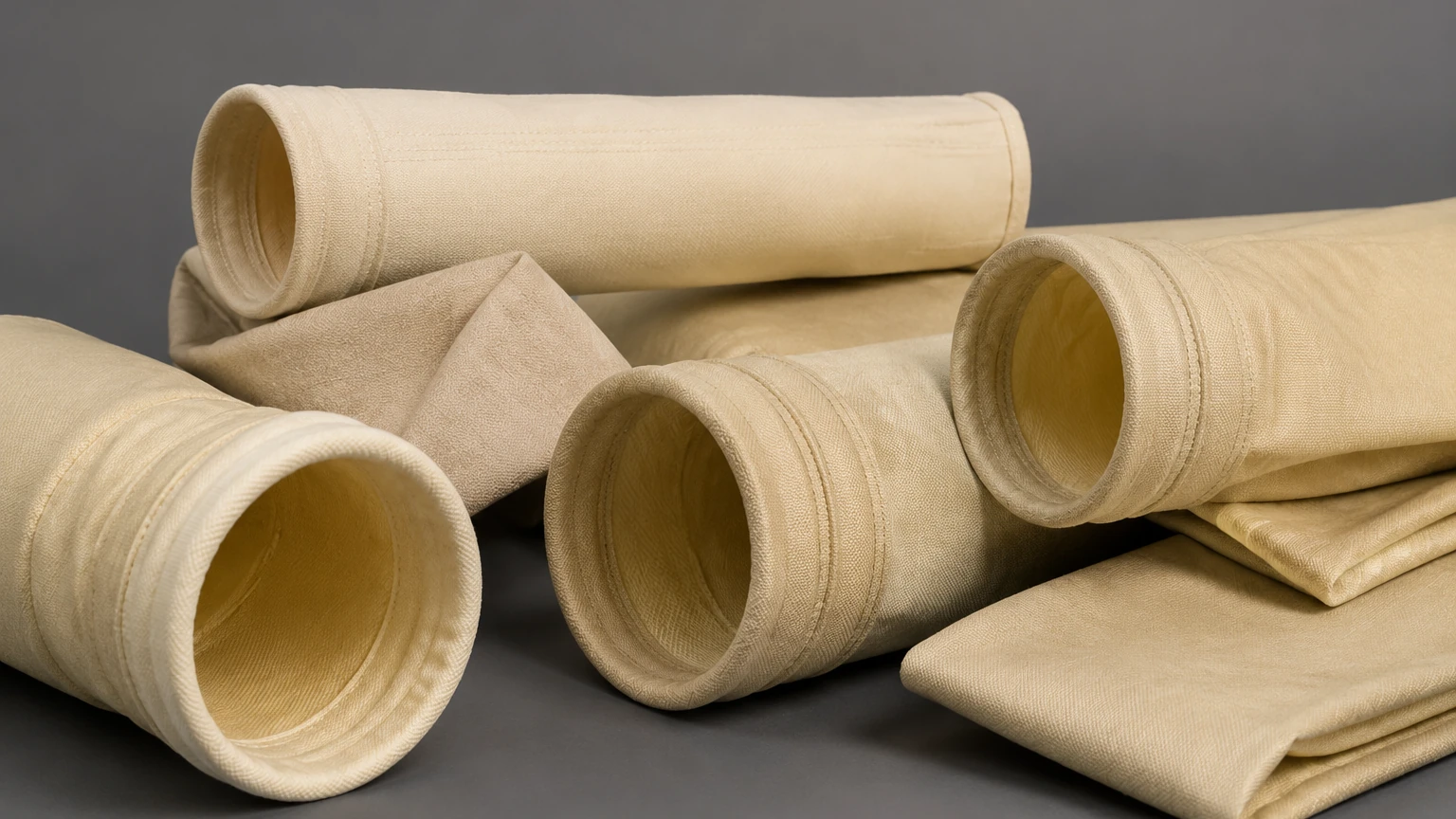
In the landscape of industrial dust collection and gas filtration, temperature resistance and mechanical durability are the primary factors determining the selection of filter media. Aramid filter bags, commonly recognized by the brand name Nomex®, represent a critical category of high-temperature synthetic fibers designed to operate in environments where standard polyester or polypropylene media would fail. For engineers and procurement teams managing baghouse operations in asphalt plants, cement kilns, and metal smelting facilities, understanding the technical nuances of aramid fibers is essential for optimizing filtration efficiency and extending the service life of the equipment.
While many industrial applications rely on fabric-based solutions like aramid, high-performance environments often require the integration of precision metal components or complete transitions to metallic media. As a manufacturer specializing in custom stainless steel filtration solutions, Kaifil provides the engineering expertise necessary to evaluate these material choices. Detailed information on metallic alternatives and support structures can be found on our Main Page.
Material Composition and Thermal Stability
Aramid fibers are a class of heat-resistant and strong synthetic fibers. In the context of industrial filtration, meta-aramid is the standard variant used. These fibers are characterized by their ability to maintain mechanical integrity at elevated temperatures, which is a prerequisite for processes involving hot flue gases.
Thermal Thresholds
From a technical perspective, aramid filter bags are rated for continuous operating temperatures of up to 200°C (392°F). They can withstand short-term temperature surges or peaks of up to 240°C (464°F). Beyond these limits, the fiber undergoes thermal degradation, leading to a loss of tensile strength and eventual structural failure.
Dimensional Stability
Unlike thermoplastic fibers that may shrink or deform when exposed to heat, aramid maintains excellent dimensional stability. This property ensures that the filter bag retains its shape and fit over the internal support cage, preventing leaks and ensuring consistent pulse-jet cleaning performance. For engineers, this means fewer adjustments to the baghouse tensioning systems and a more predictable pressure drop across the media.
Performance in Industrial Environments
The selection of aramid filter bags is often driven by the specific physical demands of the application. Beyond heat resistance, aramid offers several mechanical advantages that contribute to its widespread use in heavy industry.
Abrasion Resistance
Industrial dust often contains abrasive particles—such as silica in cement production or metallic fines in smelting—that can quickly erode softer filter media. Aramid fibers possess high abrasion resistance, allowing the bags to withstand the constant friction of dust loading and the mechanical stress of high-pressure cleaning cycles. This durability directly translates to a lower frequency of bag replacements and reduced maintenance downtime.
Flex Life
In pulse-jet baghouses, the filter media is subjected to rapid expansion and contraction during the cleaning cycle. This repeated flexing can cause fiber fatigue in inferior materials. Aramid has an exceptional flex life, meaning the fibers can endure millions of cleaning pulses without fracturing. This is particularly important in high-grain loading applications where frequent cleaning is necessary to maintain the required airflow.
Chemical Compatibility and Limitations
While aramid is robust in terms of temperature and abrasion, its chemical resistance is selective. Engineering teams must conduct a thorough analysis of the gas stream chemistry before specifying aramid media.
Resistance to Alkalis and Solvents
Aramid performs exceptionally well in the presence of most organic solvents and alkaline conditions. This makes it a preferred choice for chemical processing plants where basic (high pH) particulates are collected from hot gas streams.
Vulnerability to Hydrolysis and Acids
The primary weakness of aramid is its susceptibility to hydrolysis—the chemical breakdown of the fiber in the presence of moisture and high temperature. If the gas stream has a high moisture content and the temperature remains near the dew point, the aramid fibers will weaken rapidly. Furthermore, aramid is sensitive to high concentrations of mineral acids (such as sulfuric or hydrochloric acid). In coal-fired boilers or processes with high sulfur content, engineers must often look toward PPS (polyphenylene sulfide) or stainless steel media to avoid premature bag failure.
Engineering Selection and Air-to-Cloth Ratios
Designing an efficient filtration system requires more than just selecting the right material; it requires calculating the correct air-to-cloth (A/C) ratio. This ratio represents the volume of gas passing through a square foot of filter media per minute (expressed as CFM/ft²).
For aramid filter bags, the typical A/C ratio ranges from 2.5:1 to 5:1, depending on the dust characteristics and the cleaning system. A ratio that is too high will drive dust deep into the fiber matrix (interstitial loading), making it difficult to clean and increasing the pressure drop. Conversely, an overly conservative ratio leads to an oversized baghouse, increasing capital costs. Engineers must balance these factors while considering the specific gravity and particle size distribution of the dust being captured.
Aramid Bags vs. Stainless Steel Filtration Solutions
In many demanding industrial scenarios, engineers must decide between fabric media like aramid and rigid metallic media. Both have distinct roles in the filtration ecosystem.
1. Flexibility vs. Rigidity: Aramid bags are flexible and rely on a support cage. They are ideal for high-volume gas filtration where a large surface area is required in a relatively compact footprint. Stainless steel filters, such as those manufactured by Kaifil, are rigid structures that offer superior pressure resistance and can be cleaned more aggressively (e.g., through ultrasonic cleaning or backwashing).
2. Temperature Extremes: While aramid tops out at 240°C, stainless steel filtration components can operate at temperatures exceeding 500°C, depending on the alloy. In applications like hot gas filtration in refineries or advanced chemical reactors, metal media is often the only viable solution.
3. Chemical Durability: Stainless steel provides broader resistance to acidic environments where aramid would fail due to hydrolysis. For applications involving corrosive chemicals, a custom-engineered metal filter often provides a lower total cost of ownership over time.
For technical teams evaluating the transition from fabric bags to more permanent metal filtration systems, reviewing the capabilities on our Main Page can provide insights into specialized alloy selection and precision manufacturing.
Maintenance, Failure Analysis, and Replacement Cycles
The effective lifespan of an aramid filter bag typically ranges from 2 to 5 years, but this is highly dependent on operational variables. Regular monitoring is essential to prevent catastrophic failure.
Monitoring Pressure Drop
A consistent increase in the baseline pressure drop (the pressure measured immediately after a cleaning cycle) usually indicates "blinding." This occurs when fine particles become permanently lodged in the fiber, or when moisture has caused the dust to cake on the surface. If the pressure drop exceeds the design limits, the system's energy consumption increases, and the airflow required for the process may be compromised.
Failure Analysis
When a bag fails prematurely, a forensic examination is required. Brittle fibers often point to thermal overexposure or acid attack. If the bags appear "mushy" or lose their strength when wet, hydrolysis is the likely culprit. Mechanical holes near the bottom of the bag often indicate an alignment issue with the pulse-jet nozzle or an abrasive wear pattern caused by the inlet gas flow.
Customization and Support Structures
The performance of an aramid filter bag is inextricably linked to the quality of its support cage. A poorly manufactured cage with burrs or broken welds can puncture the bag during the pulse cycle. Furthermore, the spacing of the vertical wires in the cage affects how the bag flexes; too much flex leads to fiber fatigue, while too little flex prevents effective dust release.
In many high-end industrial systems, the integration of precision-engineered metal components—such as venturis, cages, and specialized housings—is what ensures the filtration media performs to its theoretical potential. At Kaifil, we specialize in the production of these critical metal components and advanced stainless steel filter cartridges that serve as the backbone of industrial filtration systems. Our focus on precision and material integrity helps engineers achieve the reliability required in modern manufacturing.
Conclusion
Aramid filter bags remain a cornerstone of high-temperature gas filtration due to their balance of thermal stability and mechanical toughness. However, their application requires a sophisticated understanding of gas chemistry, specifically regarding moisture and acid levels. By carefully calculating A/C ratios and ensuring high-quality support structures, industrial facilities can maximize the efficiency of their dust collection systems. For applications that exceed the limits of synthetic fibers, or where custom metal filtration components are required to support the process, technical teams should consult with specialists in stainless steel solutions to ensure the most durable and cost-effective outcome.
