


Asphalt Plant Bag Filter
In the production of hot mix asphalt (HMA), the management of particulate matter and gaseous emissions is a critical engineering challenge. The asphalt plant bag filter, often referred to as a baghouse, serves as the primary air pollution control device. It is designed to capture fine dust particles generated during the aggregate drying and mixing processes, ensuring compliance with environmental regulations while recovering valuable "fines" that are often reintroduced into the asphalt mix.
For engineers and plant operators, selecting and maintaining an asphalt plant bag filter requires a deep understanding of thermal dynamics, material science, and fluid mechanics. Because asphalt plants operate under demanding conditions—characterized by high temperatures, varying moisture levels, and abrasive dust—the filtration system must be engineered for durability and precision. This guide examines the technical specifications, material considerations, and operational strategies essential for optimizing baghouse performance.
The Role of the Baghouse in Asphalt Production
The asphalt manufacturing process begins with the heating and drying of virgin aggregates and recycled asphalt pavement (RAP) in a rotary dryer. As the burner heats the material, a significant volume of combustion gases and dust is generated. This exhaust stream is pulled through the system by a large induced draft (ID) fan.
Before reaching the asphalt plant bag filter, the exhaust typically passes through a primary collector, such as a cyclone or a knockout box. These devices use centrifugal force or gravity to remove larger particles (typically those greater than 75 microns). The remaining fine dust, which can include high concentrations of silica and other minerals, enters the baghouse.
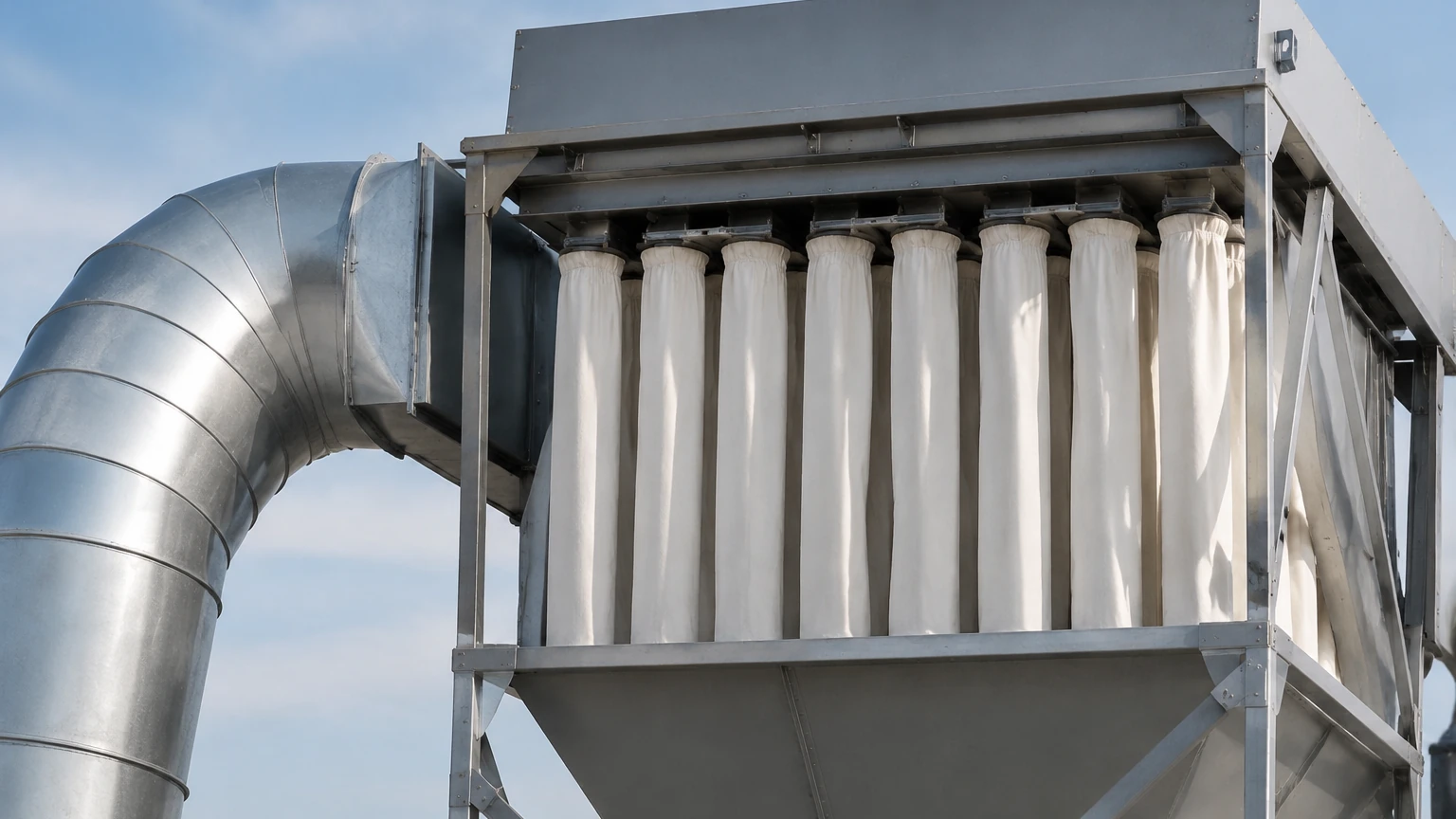
Inside the baghouse, the dust-laden air passes through fabric filter bags. The dust is collected on the surface of the bags, forming a "dust cake" that actually enhances filtration efficiency until it becomes thick enough to restrict airflow. Periodically, the bags are cleaned—usually via pulse-jet technology—to release the dust into hoppers for disposal or recycling. The clean air is then exhausted through a stack. For those seeking comprehensive industrial filtration components, visiting the Main Page of a specialized manufacturer can provide insights into the precision metal supports and custom filtration solutions required for such demanding environments.
Engineering Considerations for High-Temperature Filtration
One of the most significant challenges in asphalt plant filtration is the management of temperature. The exhaust gas must be kept within a specific "operating window" to prevent both equipment damage and process failure.
Avoiding the Dew Point
Asphalt aggregates often contain moisture, which turns into steam during drying. If the temperature inside the asphalt plant bag filter drops below the dew point (the temperature at which water vapor condenses into liquid), the moisture will combine with the dust on the bags. This creates a thick, cement-like sludge known as "mudding." Mudding increases pressure drop significantly, blinds the filter media, and can lead to a complete plant shutdown. To prevent this, baghouses must be properly insulated, and the exhaust gas temperature is typically maintained well above 100°C (212°F).
Thermal Limits of Filter Media
Conversely, excessive heat can cause catastrophic failure. If the burner is improperly adjusted or if there is a sudden change in aggregate moisture, temperatures can spike. Most standard asphalt plant filter bags are made from materials like Aramid (Nomex), which can handle continuous operating temperatures up to 200°C (392°F). Exceeding these limits leads to thermal degradation, shrinking the bags and causing them to become brittle or melt.
Material Selection: Media Types and Performance Profiles
The choice of filter media is the most critical factor in the longevity and efficiency of an asphalt plant bag filter. Engineers must balance chemical resistance, temperature tolerance, and mechanical strength.
1. Aramid (Nomex): This is the industry standard for asphalt applications. It offers excellent resistance to high temperatures and good mechanical strength. However, it is susceptible to hydrolysis if moisture levels are high and acidic gases (from high-sulfur fuels) are present.
2. PPS (Polyphenylene Sulfide): PPS is often selected for plants burning high-sulfur coal or oil. It provides superior chemical resistance to acids and alkalis and handles temperatures up to 190°C (374°F). It is more resistant to hydrolysis than Aramid but is sensitive to high oxygen levels (oxidation).
3. P84 (Polyimide): P84 fibers have a unique trilobal cross-section, which provides a higher surface area for filtration compared to round fibers. This makes it highly efficient at capturing sub-micron particles. It is often used in a blend with other fibers to improve efficiency without significantly increasing costs.
4. Fiberglass: For extreme temperature applications, fiberglass bags coated with PTFE (Teflon) can be used. While they offer the highest temperature resistance, they are more fragile and require specialized cages to prevent mechanical wear from the pulse-jet cleaning action.
Optimizing Filtration Efficiency: Air-to-Cloth Ratio
The Air-to-Cloth (A/C) ratio, also known as the filtration velocity, is the ratio of the volume of gas passing through the baghouse (in cubic feet per minute) to the total square footage of the filter media.
In an asphalt plant bag filter, the A/C ratio typically ranges between 4:1 and 6:1 for pulse-jet systems. A ratio that is too high increases the velocity at which particles hit the bags, leading to "bleeding" (particles passing through the media) and accelerated abrasive wear. Conversely, a ratio that is too low means the baghouse is oversized, leading to unnecessary capital costs and potential issues with maintaining internal temperatures above the dew point.
Precision in the manufacturing of the internal support structures, such as the filter cages and the tubesheet, is vital. If the cages are not perfectly aligned or if the tubesheet holes are not precisely machined, the bags may rub against each other or leak at the seal point, undermining the calculated A/C ratio and reducing overall efficiency.
Maintenance and Troubleshooting for Extended Service Life
To ensure the asphalt plant bag filter operates at peak performance, a proactive maintenance schedule is required. Engineers should monitor several key indicators:
Differential Pressure (Delta P)
The pressure drop across the bags is the most immediate indicator of baghouse health. A steady Delta P (typically 3 to 6 inches of water column) indicates a stable dust cake and effective cleaning. A sudden rise in Delta P suggests mudding, blinded bags, or a failure in the cleaning system. A sudden drop may indicate a torn bag or a bypassed seal.
Compressed Air Quality
Pulse-jet baghouses rely on pulses of compressed air to clean the bags. This air must be dry and oil-free. Moisture in the compressed air lines can cause localized mudding at the top of the bags, while oil can chemically degrade certain filter media. Regular inspection of air dryers and filters in the compressor system is essential.
Leak Detection
Visible emissions from the stack are a sign of a breached filter. Modern plants often use broken bag detectors (triboelectric probes) to identify leaks before they become visible to the naked eye. When a leak is detected, operators must identify the specific row of bags and replace the damaged components immediately to remain in compliance with environmental permits.
Customization and Technical Integration
While the fabric bags are the "consumable" part of the system, the structural components of the asphalt plant bag filter are where engineering precision truly matters. Custom-designed stainless steel components, such as those produced by Kaifil, play a vital role in the long-term reliability of industrial filtration systems.
For example, in specialized asphalt applications where corrosive additives are used, the use of stainless steel for the tubesheet, venturis, and cages can prevent premature structural failure. Furthermore, custom wire mesh pre-filters can be integrated into the ductwork to protect the baghouse from "spark carryover"—glowing embers from the burner that can ignite the filter bags.
When evaluating a filtration partner, engineers should confirm the manufacturer’s capability to provide:
* Material Certification: Ensuring the alloys used (e.g., 304 or 316 stainless steel) meet the chemical environment's requirements.
* Tolerances: Precise fitment of cages and bags to prevent bypass leakage.
* Customization: Ability to adapt designs for specific flow rates or spatial constraints within an existing plant layout.
Conclusion
The asphalt plant bag filter is more than just a dust collector; it is a sophisticated piece of industrial equipment that balances environmental responsibility with process efficiency. By selecting the correct filter media, maintaining tight control over operating temperatures, and ensuring the mechanical integrity of internal components, plant operators can maximize the service life of their filtration system.
As regulations regarding particulate emissions continue to tighten globally, the demand for high-precision filtration solutions will only increase. Whether it is through the selection of advanced Aramid blends or the integration of custom stainless steel support structures, the focus remains on achieving reliable, long-term performance in one of the industry's most challenging environments. For more information on industrial-grade filtration components and engineering support, explore the Main Page to see how custom manufacturing can solve complex filtration challenges.
