


Asphalt Plant Baghouse
In the production of Hot Mix Asphalt (HMA), the asphalt plant baghouse serves as the critical final stage for particulate matter control and environmental compliance. As industrial regulations regarding air quality become increasingly stringent, the engineering of these filtration systems must account for high temperatures, abrasive dust loads, and corrosive chemical byproducts. For engineers and facility managers, understanding the technical nuances of baghouse operation is essential for optimizing plant uptime and minimizing the total cost of ownership.
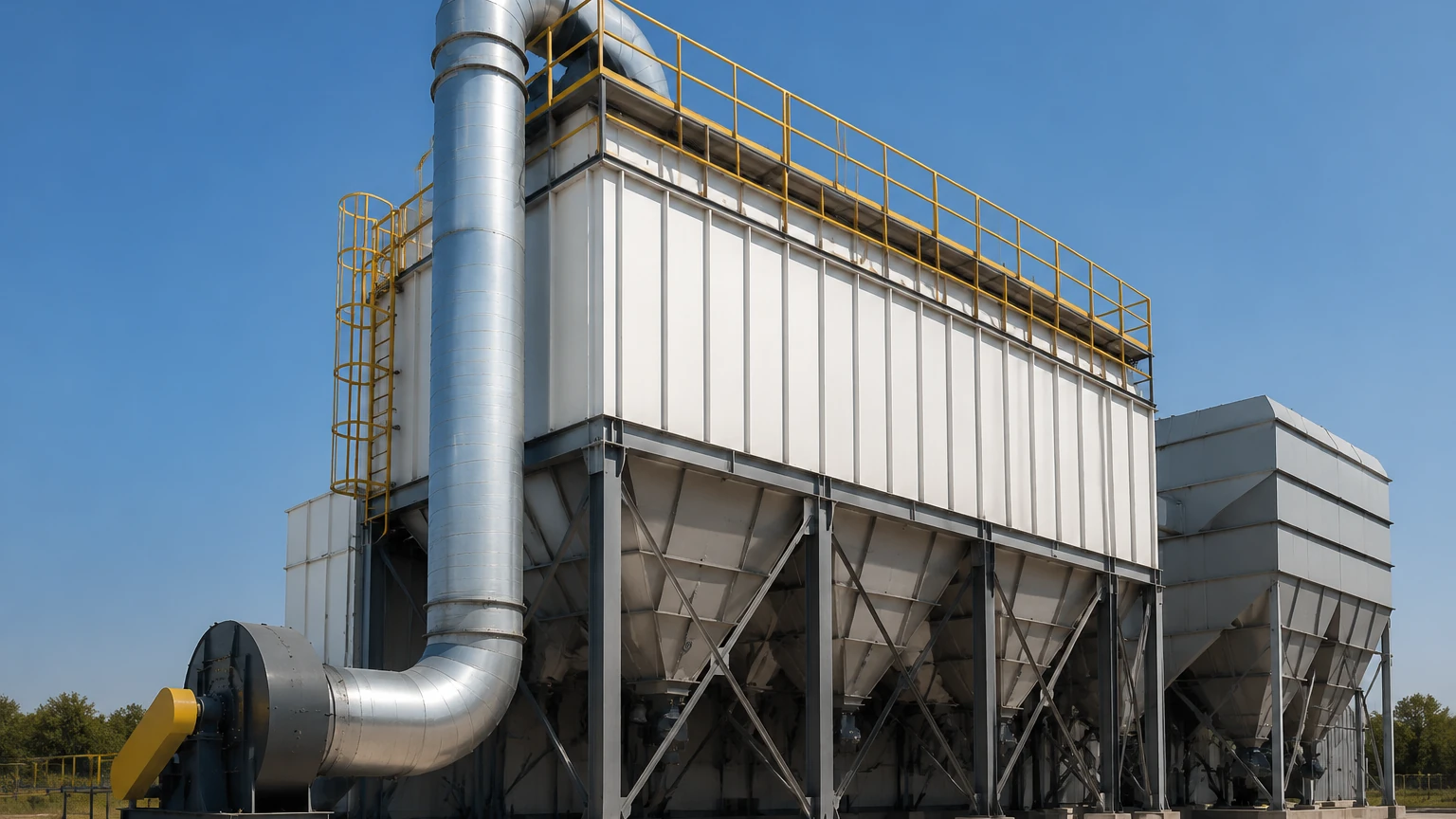
An asphalt plant baghouse is essentially a large-scale industrial dust collection system designed to handle the exhaust gases generated during the aggregate heating and drying process. Because asphalt production involves the combustion of fuels and the mechanical agitation of stone and sand, the resulting gas stream is laden with fine particulates that must be captured before the air is discharged into the atmosphere. The efficiency of this process relies heavily on the quality of the filtration media and the structural integrity of the internal components.
Understanding the Function of an Asphalt Plant Baghouse
The primary role of the baghouse in an asphalt plant is to separate "fines"—very fine dust particles—from the hot exhaust gases. These fines are often reclaimed and reintroduced into the asphalt mix, making the baghouse not just an environmental control device, but also a component of material efficiency.
Most modern asphalt plants utilize pulse-jet baghouses. In this design, the dust-laden gas enters the housing, and the particulates are collected on the exterior surface of filter bags. Periodically, a burst of compressed air is injected into the top of the bag, creating a shockwave that flexes the fabric and dislodges the accumulated dust cake. This dust falls into a hopper for removal or recycling. The engineering challenge lies in managing the "air-to-cloth ratio," which is the volume of gas passing through a square foot of filter media. If this ratio is too high, the pressure drop increases, leading to premature wear and higher energy consumption by the exhaust fan.
Material Selection and Engineering for High-Temperature Filtration
The environment inside an asphalt plant baghouse is exceptionally harsh. Exhaust gases typically range from 250°F to 450°F (120°C to 230°C). If temperatures drop too low, moisture can condense, leading to "mudding" or blinding of the filters. If temperatures spike, the filter media can be destroyed instantly.
While the filter bags themselves are often made from synthetic fibers like Aramid (Nomex) or P84, the support structures and precision components require robust materials. Stainless steel is frequently the material of choice for critical filtration components due to its thermal stability and resistance to the corrosive sulfur compounds often found in burner exhaust. As a specialist in custom filtration, Kaifil provides insights into how material selection impacts long-term performance. For comprehensive technical specifications on industrial filtration components, professionals can visit the Main Page to evaluate material compatibility and design options.
The Importance of Filter Cages
Filter bags require internal support structures, known as cages, to prevent them from collapsing under the pressure of the gas flow. In asphalt applications, these cages are subject to mechanical stress and potential corrosion. Precision-manufactured stainless steel cages ensure that the bag remains properly tensioned, which is vital for the effective transmission of the pulse-jet cleaning wave. Any deformation in the cage can lead to localized wear on the bag, significantly shortening its service life.
Critical Performance Metrics for Baghouse Efficiency
To maintain optimal performance, engineers must monitor several key metrics within the asphalt plant baghouse system. These metrics provide early warning signs of mechanical failure or process inefficiencies.
1. Differential Pressure (Delta P): This measures the pressure drop across the filter media. A steady Delta P indicates a healthy equilibrium between dust loading and cleaning cycles. A sudden rise may suggest blinding (moisture issues), while a sudden drop could indicate a ruptured bag.
2. Inlet and Outlet Temperatures: Continuous monitoring is required to prevent thermal damage to the bags and to ensure the gas remains above the dew point.
3. Compressed Air Pressure: For pulse-jet systems, the cleaning air must be dry and delivered at the correct pressure. Insufficient pressure leads to poor cleaning, while excessive pressure can cause mechanical fatigue in the filter fabric.
4. Emissions Monitoring: Opacity meters at the stack provide the final verification of filtration success. Any visible plume usually indicates a bypass or a failure in the filtration barrier.
Mitigating Operational Risks: Blinding, Corrosion, and Abrasion
Operating an asphalt plant baghouse involves managing three primary risks that can lead to unscheduled downtime: blinding, corrosion, and abrasion.
Blinding and Moisture Control
Blinding occurs when dust particles become embedded in the filter media and cannot be removed by the cleaning pulse. In asphalt plants, this is often caused by moisture. If the baghouse is not properly insulated or if the plant is started up too quickly without preheating, water vapor from the combustion process condenses on the cold dust cake, forming a "mud" that blocks airflow. This forces the exhaust fan to work harder, increasing fuel consumption and reducing production capacity.
Corrosive Flue Gases
Depending on the fuel used in the burner (such as waste oil or high-sulfur coal), the exhaust gas may contain acidic components. When these gases cool below their acid dew point, they can corrode the metal housing and internal components. Utilizing stainless steel for precision parts and ensuring high-quality welds in the baghouse structure are essential preventative measures.
Abrasive Dust Loads
Aggregate dust is inherently abrasive. The high-velocity entry of these particles into the baghouse can cause "sandblasting" effects on the lower portions of the filter bags. Engineering solutions, such as inlet baffles or primary separators (cyclones), are often used to reduce the velocity and heavy particle load before the gas reaches the delicate filter bags.
The Strategic Value of Custom Metal Filtration Components
While standard baghouse designs are common, many asphalt plants require customized solutions to address specific operational challenges, such as limited space, unique aggregate types, or extreme climate conditions. Custom-engineered metal filtration components play a vital role in these scenarios.
For instance, stainless steel wire mesh filters can be used in pre-filtration stages or as spark arrestors to protect the main baghouse from incandescent particles that could ignite the fabric bags. Precision-engineered components ensure a perfect fit within existing systems, reducing the risk of bypass—where unfiltered air escapes through gaps in the assembly. By focusing on high-tolerance manufacturing, companies like Kaifil help ensure that every component, from the smallest filter mesh to the largest support structure, contributes to a leak-free system.
Selection Guide: Technical Considerations for Purchasing Teams
When evaluating components for an asphalt plant baghouse, purchasing teams should look beyond the initial acquisition cost and consider the total cost of ownership. A lower-quality filter cage or a poorly designed manifold may save money upfront but can lead to frequent bag replacements and costly downtime.
Key questions for suppliers include:
* Material Certification: Can the supplier provide mill certificates for the stainless steel used? This ensures the alloy meets the required corrosion resistance standards.
* Manufacturing Tolerances: How does the supplier ensure the concentricity and straightness of filter cages? Even minor deviations can cause bag wear.
* Customization Capabilities: Can the supplier modify designs to fit older or proprietary baghouse models? OEM-quality replacements are often necessary for maintaining system balance.
* Structural Integrity: For high-vibration environments like asphalt plants, are the welds and joints designed to withstand mechanical fatigue?
Conclusion: Optimizing Long-Term Filtration Performance
The asphalt plant baghouse is a complex system where mechanical engineering, material science, and thermodynamics intersect. Achieving reliable performance requires more than just high-quality filter bags; it demands a holistic approach to the entire filtration assembly. By selecting robust materials like stainless steel and partnering with manufacturers who understand the rigors of industrial applications, plant operators can ensure environmental compliance while maintaining high production efficiency.
Investing in precision-engineered components reduces the frequency of maintenance intervals and protects the plant's most valuable asset: its ability to operate without interruption. For those seeking to upgrade their filtration systems or source reliable OEM components, focusing on technical expertise and proven manufacturing quality is the most effective path to operational success.
