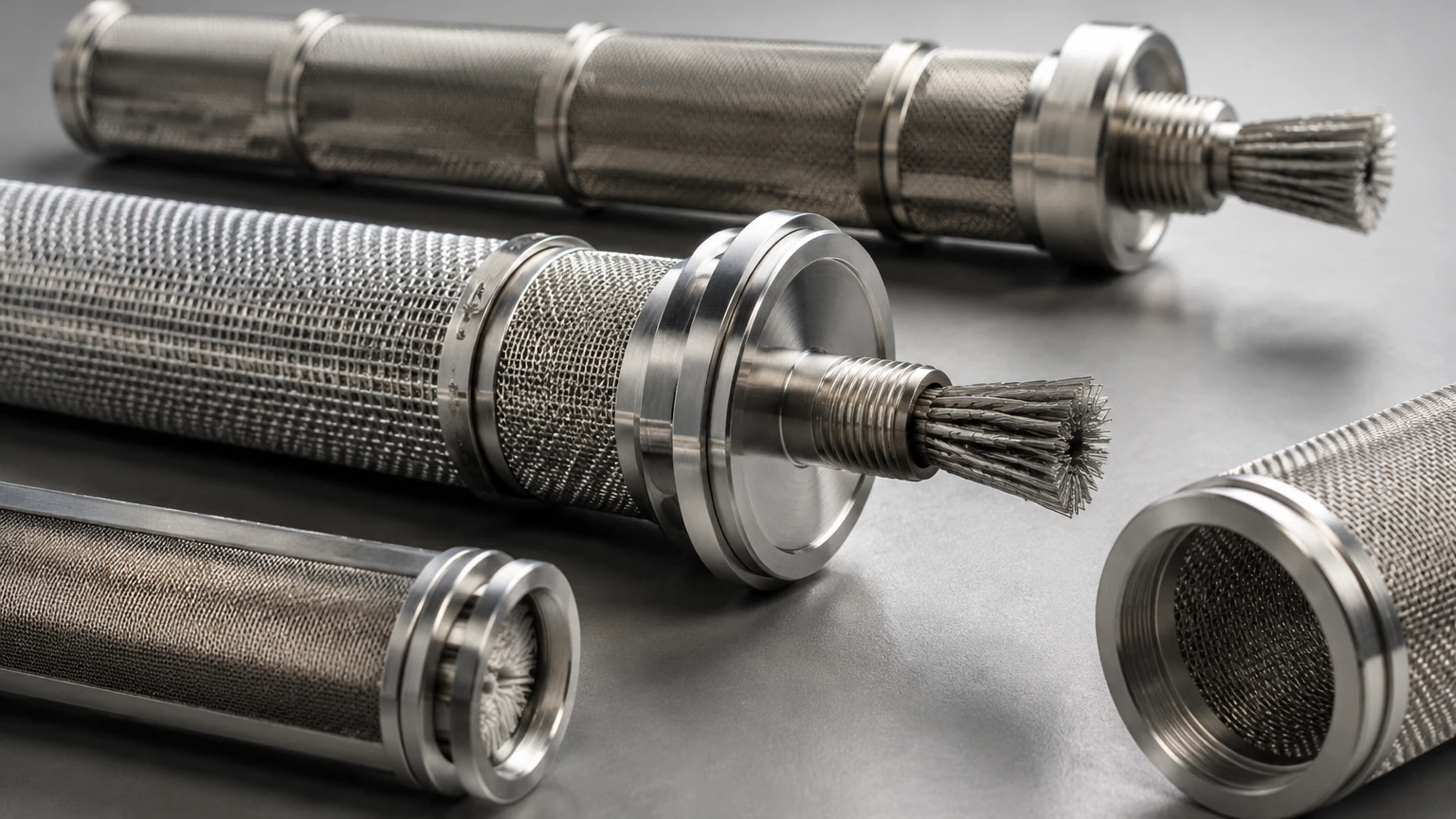
Automatic Self-cleaning Filters
In modern industrial processing, the demand for continuous operation and minimal downtime has shifted the focus from traditional manual filtration systems to more sophisticated, automated solutions. Automatic self-cleaning filters represent a critical advancement in fluid management, providing a reliable method for removing suspended solids from liquids without interrupting the flow of the process. For engineers and facility managers, understanding the technical nuances of these systems is essential for optimizing performance, reducing labor costs, and ensuring the longevity of downstream equipment.
The Role of Automatic Self-cleaning Filters in Industrial Processes
Automatic self-cleaning filters are designed to handle high-flow applications and fluids with significant particulate loads. Unlike manual basket strainers or disposable cartridge filters, which require the process to be stopped or bypassed during cleaning or replacement, self-cleaning systems utilize internal mechanisms to clear the filter media while the system remains online.
This technology is particularly vital in industries such as chemical processing, water treatment, and power generation, where even a brief interruption in fluid flow can lead to significant production losses or equipment damage. By maintaining a consistent pressure drop and flow rate, these filters protect sensitive components like heat exchangers, spray nozzles, and membrane systems from fouling and abrasion.
Core Operating Principles and Cleaning Mechanisms
To select the right filter, one must first understand the different cleaning technologies available. While the objective remains the same—removing debris from the filter element—the method used depends on the fluid characteristics and the nature of the contaminants.
1. Suction Scanning Technology
Suction scanning is one of the most efficient methods for cleaning fine mesh screens. A scanner with multiple suction nozzles rotates across the internal surface of the filter element. When the system detects a specific differential pressure (DP), a flush valve opens to the atmosphere. This creates a high-velocity suction effect at the nozzle tips, vacuuming the debris off the screen and discharging it through the waste line. This method uses a minimal amount of process fluid for cleaning and is highly effective for removing organic matter and fine silt.
2. Mechanical Scraping (Brush or Blade)
Mechanical scraping filters are often used for highly viscous fluids or sticky contaminants that do not easily wash away. A motorized brush or stainless steel blade moves along the surface of the filter media (typically a wedge wire element). The scraper physically dislodges the solids, which then settle into a collection chamber at the bottom of the filter housing to be purged periodically. This design is robust and frequently found in the food and beverage industry for filtering syrups, chocolate, or oils.
3. Backwashing (Reverse Flow)
Backwashing filters utilize a portion of the filtered fluid (or an external clean fluid source) to flow in the reverse direction through the filter media. This reverse flow lifts the cake of particles off the screen and carries it out through a backwash valve. While effective for larger particles, backwashing can sometimes consume more process fluid than suction scanning, making it a critical consideration for water-scarce applications.
Engineering Considerations for Filter Media Selection
The heart of any automatic self-cleaning filter is the filter element. For industrial applications, stainless steel is the material of choice due to its mechanical strength and chemical resistance. Manufacturers like Kaifil specialize in providing high-precision stainless steel components that define the efficiency of the entire system.
* Wedge Wire Elements: These are constructed by welding V-shaped stainless steel wires onto support rods. The V-shaped profile creates a slot that widens inwardly, which helps prevent clogging (blinding) and makes the element easier to clean during the backwash or scraping cycle. Wedge wire is ideal for high-pressure applications and heavy solids loading.
* Sintered Multi-layer Mesh: For fine filtration requirements (down to 10-50 microns), sintered mesh provides a stable and porous structure. By bonding multiple layers of stainless steel wire cloth together through a heat-treatment process, engineers can achieve high filtration accuracy combined with the structural integrity needed to withstand the mechanical stresses of a self-cleaning cycle.
* Perforated Plate: Often used as a pre-filter or for very coarse filtration, perforated stainless steel plates offer the highest level of physical durability but may have a lower open area percentage compared to wire mesh.
Technical Selection Criteria for Engineers
When specifying automatic self-cleaning filters, engineers should evaluate several key parameters to ensure the system meets the application's demands. For comprehensive technical support and to Review product options and application support, it is important to have the following data ready:
Flow Rate and Velocity
The filter must be sized to handle the maximum expected flow rate without exceeding the recommended face velocity for the specific media. High velocities can force soft contaminants through the mesh or cause rapid erosion of the filter element.
Filtration Grade (Micron Rating)
Choosing the correct micron rating is a balance between protecting downstream equipment and minimizing the frequency of cleaning cycles. Specifying a filter that is too fine will lead to excessive backwashing and premature wear, while a filter that is too coarse will fail to protect the process. Engineers must define whether they require an absolute or nominal micron rating based on the sensitivity of the application.
Differential Pressure (DP) Triggers
Most automatic filters are controlled by a PLC that monitors the pressure difference between the inlet and outlet. Setting the DP trigger point correctly is essential. If the trigger is too low, the system cleans itself too often; if it is too high, the pressure may collapse the filter element or cause contaminants to bypass the seals.
Material Compatibility
In chemical and pharmaceutical applications, the choice between Grade 304 and Grade 316L stainless steel is critical. 316L offers superior resistance to chlorides and pitting corrosion. Furthermore, the elastomer seals (EPDM, Viton, or PTFE) must be compatible with the process fluid and operating temperature.
Total Cost of Ownership (TCO) vs. Initial Investment
While automatic self-cleaning filters have a higher initial capital expenditure (CAPEX) than manual strainers or bag filters, the total cost of ownership is significantly lower over the life of the equipment.
1. Labor Savings: Manual cleaning requires maintenance personnel to open housings, replace bags, and clean baskets. This involves labor costs and potential safety risks associated with fluid exposure.
2. Elimination of Consumables: The cost of purchasing, storing, and disposing of filter bags and cartridges adds up quickly. Automatic systems use permanent stainless steel media, eliminating these recurring costs.
3. Increased Uptime: Because the cleaning happens during the process, there is no need for redundant "duplex" systems or bypass lines, and no production time is lost to filter maintenance.
4. Waste Reduction: Self-cleaning filters produce a concentrated sludge or waste stream rather than large volumes of contaminated disposable media, which reduces waste disposal fees and environmental impact.
Common Challenges and Maintenance Best Practices
Despite their automation, these filters are not "set and forget" devices. Proper maintenance is required to ensure long-term reliability.
* Seal Integrity: The moving parts within a self-cleaning filter rely on high-quality seals to prevent bypass. These seals should be inspected annually and replaced as part of a preventative maintenance schedule.
* Motor and Drive Components: For scraped or rotating scanner systems, the drive motor and gearbox require periodic lubrication and inspection for mechanical wear.
* Control Logic Optimization: Over time, process conditions may change. Adjusting the backwash duration or the DP trigger settings can help the system adapt to new particulate loads or flow variations.
Why Customization Matters in Filtration
Standard off-the-shelf filters often fall short in demanding industrial environments. Customization allows for the integration of specific flange types, housing orientations, and specialized filter media tailored to the unique particle morphology of the process fluid. As a manufacturer focused on precision metal filtration, Kaifil works with engineering teams to develop bespoke solutions that fit within existing footprints while meeting stringent performance targets. Whether it is a custom wire mesh configuration or a specific alloy for high-temperature service, tailored engineering ensures that the automatic self-cleaning filters perform reliably in the most challenging conditions.
Conclusion
Automatic self-cleaning filters are a cornerstone of efficient industrial fluid management. By selecting the appropriate cleaning mechanism, material, and control strategy, engineers can achieve high levels of process stability and cost efficiency. When evaluating these systems, it is vital to focus on the technical specifications of the internal components and the manufacturer's ability to provide customized support. For those looking to optimize their filtration processes, visiting the Main Page of a specialized manufacturer provides the necessary technical resources and product insights to make an informed decision.