


Filter Cage
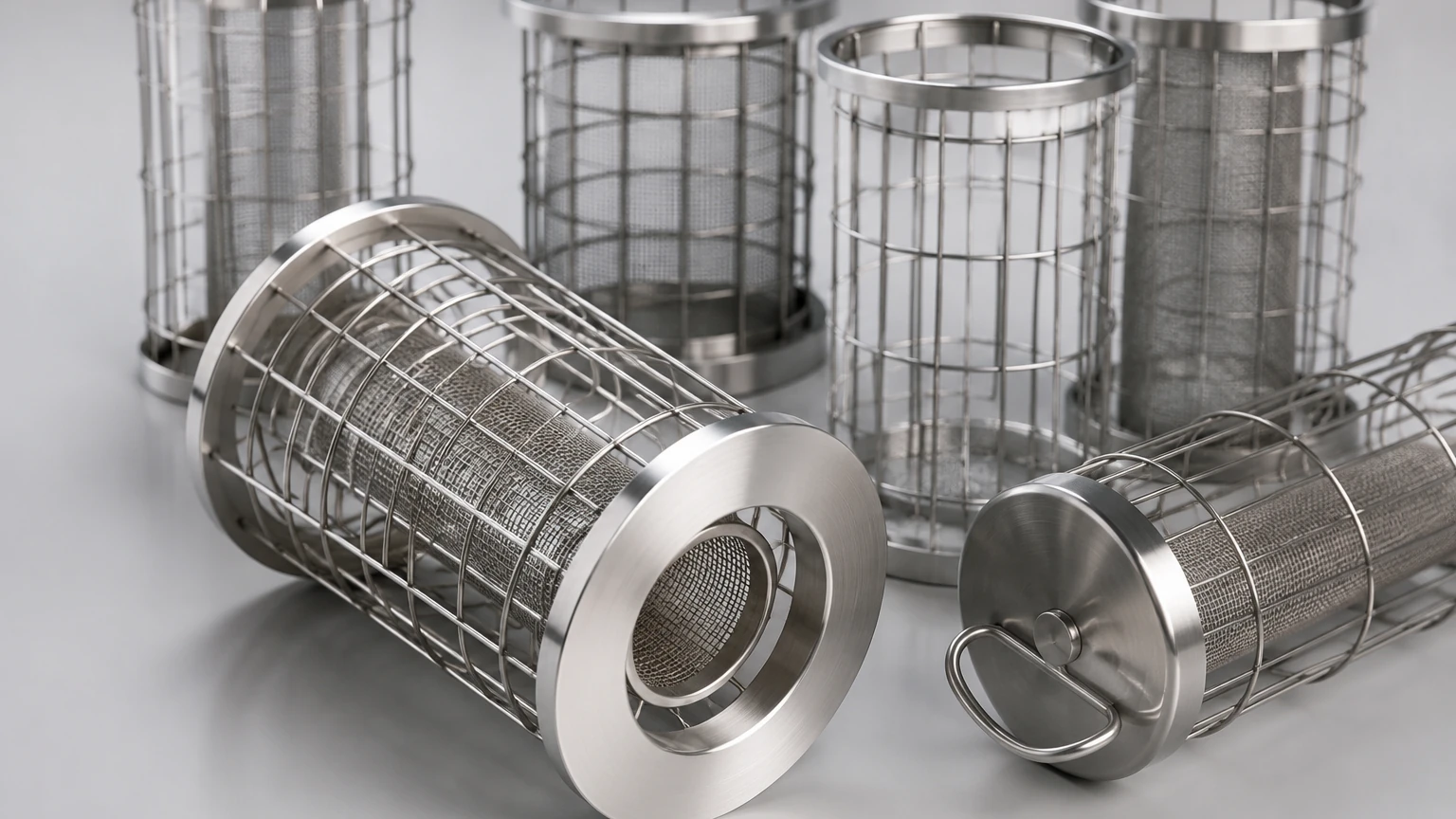
In industrial dust collection and air filtration systems, the filter cage serves as the essential structural skeleton for filter bags. While the filter media performs the actual separation of particulate matter from the gas stream, the cage ensures that the media maintains its shape and integrity under varying pressure conditions. For engineers and procurement professionals, understanding the technical nuances of filter cage design is critical to optimizing the performance of pulse-jet baghouses and extending the service life of expensive filter bags.
A filter cage is not merely a wire frame; it is a precision-engineered component that must withstand mechanical stress, chemical corrosion, and thermal fluctuations. Improper cage selection or poor manufacturing quality can lead to premature bag failure, increased differential pressure, and frequent system downtime. This guide examines the engineering considerations, material selections, and design parameters necessary for specifying high-performance filter cages in demanding industrial environments.
The Role of the Filter Cage in Industrial Dust Collection
The primary function of a filter cage is to provide internal support to the filter bag, preventing it from collapsing during the filtration cycle when the fan creates a vacuum (negative pressure) inside the baghouse. In pulse-jet systems, the cage also plays a vital role during the cleaning cycle. When a high-pressure burst of compressed air is released into the bag, the media expands rapidly and then snaps back against the cage.
This repeated expansion and contraction place significant mechanical stress on both the bag and the cage. A well-designed cage minimizes the distance the fabric travels during the pulse, thereby reducing mechanical fatigue on the fibers. Furthermore, the cage must facilitate the uniform distribution of the cleaning pulse to ensure that dust cakes are effectively dislodged from the entire surface of the filter media. Failure to provide adequate support results in "bag sagging," which restricts airflow and increases the energy required to operate the system.
Material Engineering: Selecting the Right Alloy and Coating
Material selection is the most significant factor in determining the longevity of a filter cage. The choice depends entirely on the operating environment, including temperature, moisture levels, and the chemical composition of the gas stream. For more information on material compatibility and custom filtration solutions, technical teams can consult the Main Page of specialized manufacturers to review available grades and configurations.
Carbon Steel
Basic carbon steel is the standard choice for non-corrosive, dry applications with moderate temperatures. However, carbon steel is highly susceptible to oxidation. To prevent rust, which can abrade the filter bag from the inside, carbon steel cages are typically treated with protective coatings.
Stainless Steel (304, 316, 316L)
In industries such as chemical processing, pharmaceuticals, and food production, stainless steel is the preferred material. Stainless steel cages offer superior resistance to corrosion and acid attack.
- Grade 304: Suitable for general corrosive environments and high-temperature applications up to 300°C.
- Grade 316/316L: Contains molybdenum, providing enhanced resistance to chlorides and sulfuric acids, making it ideal for flue gas desulfurization or marine environments.
Specialty Alloys
For extreme environments involving high-temperature incineration or highly aggressive chemical vapors, specialty alloys like Hastelloy or Inconel may be required. These materials maintain structural integrity at temperatures exceeding 500°C and resist oxidation where standard steels would fail.
Protective Coatings
When stainless steel is not feasible due to budget constraints, various coatings can extend the life of carbon steel cages:
- Galvanization: Provides a sacrificial zinc layer to prevent rusting in humid conditions.
- Epoxy Coating: Offers a smooth, chemically resistant barrier suitable for moderate chemical exposure.
- Silicone or PTFE-based Coatings: Used in high-temperature or sticky dust applications to ensure the cage does not adhere to the filter bag.
Structural Components and Design Specifications
The structural integrity of a filter cage is defined by its wire configuration and welding quality. Engineers must specify these parameters based on the diameter and length of the filter bag.
Vertical Wire Count
The number of vertical wires (longitudinal wires) is a critical specification. Standard cages typically feature 8, 10, 12, or 20 wires.
- Low Wire Count (8-10): Common in older systems or where heavy, rigid filter media is used. However, fewer wires allow the bag to flex more during the pulse cycle, which can lead to premature fabric wear.
- High Wire Count (12-24): Preferred for lightweight or delicate media, such as fiberglass or expanded PTFE (ePTFE) membranes. More wires provide a more "rounded" support structure, reducing the stress on the fabric and extending bag life.
Ring Spacing
Horizontal support rings (also known as cage ribs) are spaced along the length of the cage to provide radial strength. Standard spacing is usually 150mm to 200mm (6 to 8 inches). In high-pressure systems or very long bags (over 6 meters), closer ring spacing may be necessary to prevent the vertical wires from bowing inward under vacuum.
The Venturi
The venturi is a flared component integrated into the top of the cage. Its purpose is to optimize the pulse-jet cleaning air by creating a vacuum effect (the Venturi effect) that draws in additional ambient air, increasing the volume and pressure of the cleaning pulse. Venturis can be cast, spun, or machined and are available in various materials to match the cage body.
Surface Finish and Its Impact on Filter Bag Longevity
One of the most common causes of filter bag failure is mechanical abrasion caused by the cage itself. If the filter cage has burrs, sharp edges, or weld splatter, the high-frequency vibration and pulsing of the baghouse will cause the metal to cut through the fabric.
Professional manufacturing processes emphasize "burr-free" finishes. This is achieved through:
1. Automated Resistance Welding: Ensures consistent, clean welds without the excess material or sharp points associated with manual welding.
2. Electropolishing or Acid Pickling: For stainless steel cages, these processes remove surface impurities and smooth out the weld points, ensuring a mirror-like finish that is gentle on the filter media.
3. Stringent Quality Control: Each cage should be inspected for straightness. A bowed or twisted cage will create uneven tension on the filter bag, leading to localized wear and eventual leakage.
Customization Options and OEM Integration
Industrial filtration systems are rarely one-size-fits-all. Customization is often required to fit specific baghouse geometries or to solve recurring maintenance issues. As a manufacturer specializing in custom stainless steel filtration solutions, Kaifil provides precision-engineered components tailored to these unique requirements.
Split Cage Designs
In facilities with low overhead clearance, installing a single 6-meter cage can be impossible. Split cages (two-piece or three-piece) are designed with interlocking joints—such as claw couplings, slide locks, or threaded connections—that allow the cage to be assembled as it is lowered into the baghouse. The integrity of these joints is paramount; a loose joint can cause the bottom half of the cage to fall into the hopper, leading to catastrophic system failure.
Top Load vs. Bottom Load
The design of the cage top must match the tube sheet configuration of the dust collector.
- Top Load Cages: Feature a flange or rolled top that rests on the tube sheet. These are the most common and are generally easier to install and replace.
- Bottom Load Cages: Used in specific collector designs where maintenance is performed from inside the dirty air plenum. These require specialized hardware to secure the cage to the tube sheet.
Technical Checklist for Purchasing and Specification
Before finalizing a procurement order for filter cages, engineering and purchasing teams should confirm the following technical details with their supplier:
1. Dimensional Accuracy: Confirm the exact outer diameter (OD) and length. A cage that is even 2mm too large can make bag installation nearly impossible, while a cage that is too small will not provide adequate support.
2. Wire Gauge: Ensure the vertical wire thickness (typically 3mm to 4mm) is sufficient for the expected vacuum pressure.
3. Welding Integrity: Request information on the welding technology used. Resistance welding is the industry standard for ensuring every wire-to-ring contact point is securely fused.
4. Environmental Compatibility: Verify that the chosen alloy or coating can withstand the peak operating temperatures and any chemical constituents (e.g., SOx, NOx, moisture) in the gas stream.
5. Packaging and Shipping: Long cages are easily bent during transit. Ensure the manufacturer uses robust crating or internal bracing to maintain cage straightness during delivery.
6. Total Cost of Ownership (TCO): While carbon steel cages have a lower initial price, the extended bag life and reduced maintenance provided by high-quality stainless steel or precision-manufactured cages often result in a lower TCO over a five-year period.
By focusing on these technical specifications and partnering with a manufacturer capable of high-precision OEM production, industrial operators can ensure their filtration systems operate at peak efficiency. For those seeking specialized metal filtration components or custom stainless steel cartridges, visiting the Main Page provides access to technical support and product configurations designed for demanding industrial environments. Proper investment in the filter cage—the silent supporter of the filtration process—is one of the most effective ways to reduce operational costs and maintain environmental compliance.
