


Bag House System
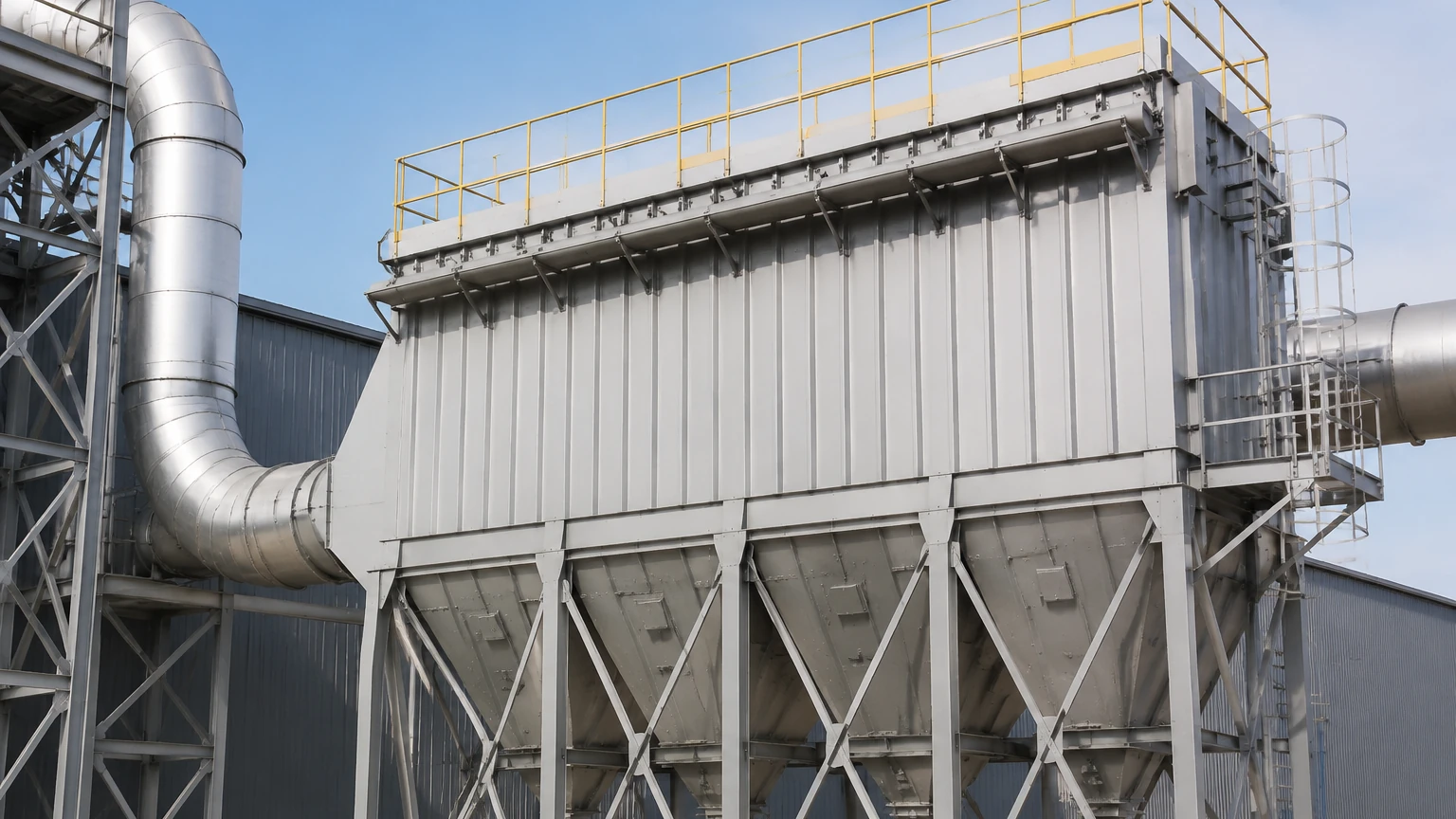
In industrial air pollution control and particulate recovery, the bag house system stands as one of the most efficient and versatile technologies available. Often referred to as a fabric filter, these systems are designed to remove dust and particulate matter from industrial gas streams with high efficiency, often exceeding 99%. For engineers and facility managers in sectors such as chemical processing, power generation, and metal smelting, selecting and maintaining a bag house system requires a deep understanding of filtration mechanics, material science, and structural integrity.
While the primary filtration medium in these systems is often a fabric bag, the overall performance of the system is heavily dependent on the precision-engineered metal components that provide support and structure. Kaifil, a specialist in custom stainless steel filtration solutions, provides the critical metal components—such as filter cages and specialized mesh supports—that ensure these systems operate reliably under extreme industrial conditions.
Engineering Principles of a Bag House System
A bag house system operates by drawing dust-laden gas through a series of fabric filters. As the gas passes through the media, the particulate matter is trapped on the surface or within the structure of the filter, while the cleaned gas is exhausted. The engineering of these systems is categorized primarily by how the filters are cleaned, which significantly impacts the design of the internal metal supports.
Pulse-Jet Cleaning
In pulse-jet systems, the dust is collected on the outside of the filter bags. To clean the bags, a high-pressure burst of compressed air is shot down into the bag, causing it to expand rapidly and shed the accumulated dust cake. This method requires a robust internal support structure, known as a filter cage, to prevent the bag from collapsing during the filtration cycle. These cages must be manufactured with precision to avoid sharp edges that could abrade the fabric.
Shaker and Reverse-Air Systems
In shaker systems, the bags are hung from a moving manifold that vibrates to dislodge dust. In reverse-air systems, a low-pressure backflow of air collapses the bag to release the dust. These systems typically collect dust on the inside of the bags and may use metal rings or specialized mesh inserts to maintain the bag's shape without restricting airflow.
The Role of Stainless Steel in Bag House Integrity
The environment inside a bag house system is often hostile, characterized by high temperatures, corrosive gases, and abrasive particulates. Standard carbon steel components often fail due to oxidation or chemical attack, leading to structural failure of the filter cages and subsequent bag tearing. This is where high-quality stainless steel components become essential.
Kaifil specializes in the production of stainless steel filtration components that offer superior resistance to these stressors. Utilizing alloys like 304, 316, and 316L stainless steel provides several technical advantages:
* Corrosion Resistance: In applications involving acidic or alkaline gas streams, such as those found in chemical processing or waste-to-energy plants, stainless steel prevents the formation of rust that can snag and destroy filter bags.
* Thermal Stability: Industrial processes often operate at temperatures exceeding 250°C (482°F). Stainless steel maintains its mechanical strength at these temperatures, ensuring the bag house system remains structurally sound.
* Smooth Surface Finish: Precision manufacturing ensures that the wire mesh and support cages are free of burrs. A smooth finish is critical to extending the life of expensive fabric filters by reducing mechanical wear during cleaning pulses.
Technical Metrics: Air-to-Cloth Ratio and Pressure Drop
When specifying a bag house system, engineers must focus on two primary performance indicators: the air-to-cloth (A/C) ratio and the differential pressure (Delta P).
Air-to-Cloth Ratio
The A/C ratio represents the volume of gas passing through a square foot of filter media per minute (expressed in CFM/ft²). A ratio that is too high can lead to "blinding," where particles are forced so deeply into the media that they cannot be removed by the cleaning cycle. Conversely, a ratio that is too low results in an oversized, unnecessarily expensive system. Engineering the correct support structure allows for optimized bag spacing, which helps maintain a consistent A/C ratio across the entire unit.
Differential Pressure (Delta P)
Differential pressure is the difference in pressure between the dirty side and the clean side of the filter. As the dust cake builds up, Delta P increases. If the internal metal supports—such as the cages provided by Kaifil—are not designed to withstand the resulting vacuum or pressure, they can deform. Monitoring Delta P is the primary method for determining when a cleaning cycle should be triggered or when the filter media has reached the end of its service life.
Material Selection for Demanding Applications
Not all bag house systems are created equal. The choice of filtration media and support metal must be tailored to the specific chemical and physical properties of the dust being collected.
1. Chemical Processing: Often involves fine, corrosive powders. Here, 316L stainless steel mesh supports are preferred due to their molybdenum content, which provides enhanced resistance to pitting and crevice corrosion.
2. Food and Beverage: Requires "food-grade" materials that can be easily cleaned and sanitized. Stainless steel components are non-porous and do not harbor bacteria, making them the standard for dust collection in flour mills or spice processing.
3. Hydraulic and High-Pressure Gas: In some specialized bag house designs used for high-pressure gas filtration, sintered wire mesh or pleated stainless steel cartridges are used instead of fabric bags. These components, which are a core part of the Kaifil product line, offer the durability needed to handle extreme pressure differentials that would destroy fabric.
Maintenance and Troubleshooting the Bag House System
Effective maintenance of a bag house system is a matter of proactive monitoring rather than reactive repair. For engineers, the goal is to maximize the interval between bag replacements while ensuring emission compliance.
Common Failure Modes
* Bag Abrasion: Often caused by poorly manufactured support cages with sharp wires or misaligned joints. Ensuring that cages are produced with high-quality welding and finishing techniques is the best preventative measure.
* Hopper Bridging: When dust accumulates in the collection hopper and blocks the inlet. This can cause turbulence that damages the bottom of the filter bags.
* Moisture and Acid Dew Point: If the gas temperature drops below the dew point, moisture can combine with particulates to form a "mud" on the filters. This leads to permanent blinding. Stainless steel components are particularly valuable here, as they do not corrode when exposed to this moisture.
Replacement Cycles
The life of a filter bag typically ranges from one to five years, depending on the application. However, the metal support cages should last significantly longer—often a decade or more—if the correct alloy is selected. Investing in high-grade stainless steel components from the outset reduces the total cost of ownership by eliminating the need for frequent cage replacement during bag change-outs.
Customization and OEM Solutions in Filtration
Every industrial facility has unique spatial constraints and process requirements. Standardized filtration components often fail to meet the specific needs of complex systems. Customization is where engineering expertise adds the most value.
Kaifil works closely with global customers to develop high-performance filter products that meet specific application requirements. Whether it is a unique cage diameter to fit a legacy bag house system or a specialized stainless steel wire mesh insert for high-temperature gas cleaning, custom manufacturing ensures that the filtration solution is optimized for the specific particulate size and gas chemistry involved. For more information on custom manufacturing capabilities, technical professionals can visit the Main Page to explore the full range of metal filtration solutions.
Selection Checklist for Engineers
Before finalizing the design or purchase of a bag house system or its components, engineers should confirm the following technical parameters:
* Gas Chemistry: Are there acids, alkalis, or solvents present that require specific stainless steel grades like 316L?
* Temperature Profile: What are the operating and peak excursion temperatures?
* Particulate Characteristics: Is the dust abrasive, hygroscopic, or explosive? This dictates the surface finish of the metal supports and the type of grounding required.
* Cleaning Mechanism: Is the pulse-jet pressure compatible with the structural strength of the support cages?
* Regulatory Compliance: Does the system meet local PM2.5 or PM10 emission standards?
Conclusion
A bag house system is a critical asset for industrial environmental compliance and process efficiency. While the fabric media performs the primary task of separation, the reliability of the system hinges on the quality of its internal metal components. By selecting precision-engineered stainless steel supports and cages, engineers can significantly extend the life of their filtration media, reduce maintenance downtime, and ensure consistent performance in the most demanding environments.
Kaifil remains committed to providing the durable, high-precision metal filtration components necessary for modern industrial applications. From material selection to customized designs, our engineering-led approach helps technical teams achieve optimized filtration performance. To review product options and application support, please visit our Main Page.
