


Baghouse Dust Collector Manufacturers
In the landscape of industrial air quality management, baghouse dust collectors serve as the primary defense against particulate emissions. These systems are critical for maintaining regulatory compliance, protecting worker health, and ensuring the longevity of downstream equipment. For engineers and procurement specialists, identifying the right baghouse dust collector manufacturers involves more than comparing price points; it requires a deep understanding of filtration mechanics, material science, and the specific demands of the operating environment.
Industrial filtration is a complex field where the choice of a manufacturer impacts the overall efficiency of a facility. Whether the application involves chemical processing, food and beverage production, or heavy manufacturing, the performance of a dust collection system is fundamentally tied to the quality of its internal components and the engineering expertise behind its design.
The Engineering Principles of Baghouse Dust Collectors
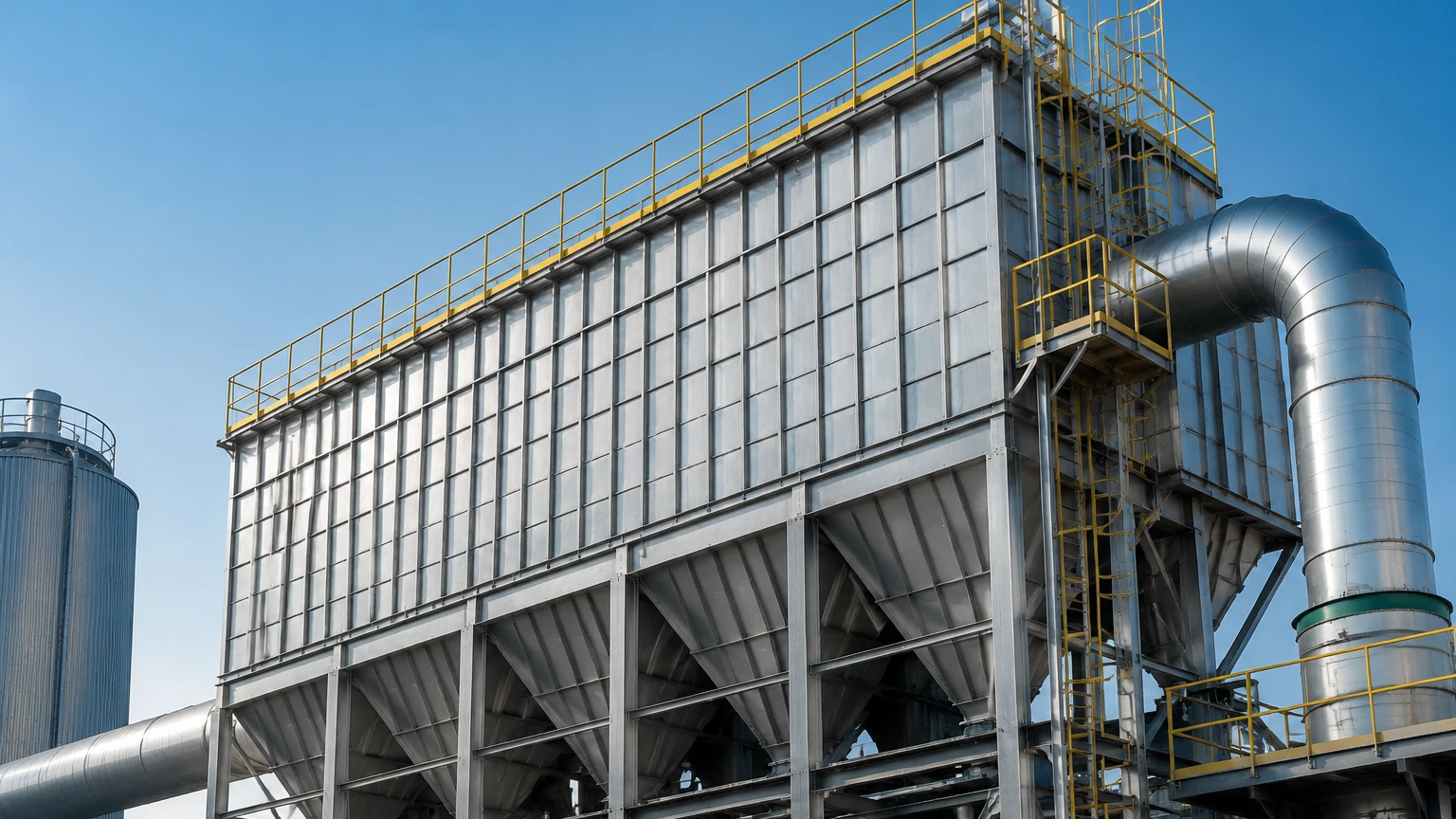
Baghouse dust collectors, or fabric filters, operate by pulling dust-laden air through a series of filter bags or cartridges. As the air passes through the media, particles are trapped on the surface or within the depth of the material, while clean air is exhausted. Manufacturers typically categorize these systems based on their cleaning mechanisms:
1. Pulse-Jet Systems: These use high-pressure compressed air to deliver a sudden "pulse" into the filter element, expanding the media and dislodging the dust cake. This is the most common design due to its ability to operate continuously without shutting down for cleaning.
2. Shaker Systems: A mechanical shaking motion is used to vibrate the dust off the filters. These systems generally require the airflow to be stopped during the cleaning cycle, making them suitable for intermittent operations.
3. Reverse-Air Systems: These utilize a low-pressure fan to blow air in the opposite direction of the filtration flow. This gentle cleaning method is often preferred for fragile filter media, such as fiberglass, in high-temperature applications.
When evaluating baghouse dust collector manufacturers, it is essential to confirm that their design philosophy aligns with the specific particulate characteristics of your process. Factors such as dust stickiness, abrasiveness, and explosive potential (ATEX/NFPA requirements) must dictate the system configuration.
Material Selection: Why Component Quality Matters
While the external housing of a dust collector provides structural integrity, the filtration media and internal supports are the functional heart of the system. In demanding industrial environments, standard fabric bags may fail due to chemical degradation or thermal stress. This is where the expertise of a specialized manufacturer like Kaifil becomes invaluable.
For applications involving high temperatures, corrosive gases, or strict hygiene requirements, stainless steel filtration solutions offer superior durability. Stainless steel wire mesh and sintered metal cartridges provide a level of precision and mechanical strength that synthetic fibers cannot match. When sourcing from baghouse dust collector manufacturers, engineers should inquire about the availability of custom metal filter components for specialized zones within the collector.
Key material considerations include:
* Corrosion Resistance: In chemical processing, 304 or 316L stainless steel is often required to withstand acidic or alkaline environments.
* Temperature Stability: Metal filters can operate at temperatures exceeding 500°C, far beyond the limits of polyester or aramid fibers.
* Cleanability: Precision-engineered metal mesh allows for more effective pulse-cleaning, reducing the residual pressure drop after each cycle.
Evaluating Baghouse Dust Collector Manufacturers for Industrial Applications
Selecting a manufacturer is a strategic decision that affects long-term operational costs. A reliable partner should provide comprehensive technical support, from initial sizing to aftermarket component supply. When vetting potential baghouse dust collector manufacturers, consider the following criteria:
Engineering and Design Capability
Does the manufacturer offer custom engineering, or do they only provide off-the-shelf units? Industrial processes are rarely standard. A manufacturer should be able to calculate the required air-to-cloth (A/C) ratio based on your specific dust load and particle size distribution. A ratio that is too high leads to premature filter blinding, while a ratio that is too low results in an oversized, unnecessarily expensive system.
Manufacturing Standards and Quality Control
Inquire about the manufacturer’s quality management systems. For critical components like filter cages and cartridges, precision is non-negotiable. Poorly manufactured supports can cause mechanical wear on filter bags, leading to leaks and environmental non-compliance. Manufacturers who specialize in stainless steel filtration, such as those found on the Main Page of industry leaders, emphasize the importance of weld integrity and surface finish in preventing bypass.
Testing and Validation
Reputable manufacturers should provide performance data backed by laboratory testing. This includes fractional efficiency curves, which show how well the collector captures particles of varying sizes (e.g., PM2.5 or PM10). If your facility must meet stringent emission limits, ask for documented proof of the system’s ability to achieve the required milligrams per cubic meter (mg/m³) output.
Customization and Precision in Filtration Components
One of the most significant trends in industrial filtration is the shift toward highly customized solutions. Standard baghouse designs often struggle with unique challenges, such as extremely fine powders or high-moisture air streams. Leading baghouse dust collector manufacturers now work closely with component specialists to integrate advanced filtration technologies.
Customization options often include:
* Specialized Coatings: PTFE membranes or oleophobic treatments to improve dust release.
* Custom Cartridge Geometries: Optimizing the pleat spacing and depth to maximize filtration area without increasing the footprint of the collector.
* Hybrid Media: Combining different materials to balance filtration efficiency with mechanical robustness.
By focusing on the specific needs of the application, manufacturers can deliver systems that not only meet environmental standards but also improve process yield by recovering valuable product from the air stream.
Operational Efficiency and Total Cost of Ownership
The initial purchase price of a dust collector is only a fraction of its total cost of ownership (TCO). Significant expenses arise from energy consumption, compressed air usage, and replacement parts. When comparing baghouse dust collector manufacturers, engineers must evaluate the long-term economic impact of the design.
Differential Pressure Management
A well-designed system maintains a low and stable differential pressure. High pressure drop forces the main fan to work harder, significantly increasing electricity costs. Manufacturers who prioritize aerodynamic inlet designs and high-quality filter media help minimize these losses.
Replacement Cycles
How often will the filters need to be replaced? While stainless steel cartridges or high-end synthetic bags have a higher upfront cost, their extended service life often results in a lower TCO compared to cheaper alternatives that require frequent replacement and cause associated downtime.
Maintenance Accessibility
Ease of maintenance is a critical but often overlooked factor. Manufacturers should design systems with easy-access doors, tool-free filter removal mechanisms, and clear diagnostic indicators. Reducing the time required for a filter change-out directly impacts the facility's bottom line.
Identifying the Right Partner for Filtration Solutions
For technical professionals, the goal is to find a manufacturer that functions as a technical resource rather than just a vendor. This involves a collaborative approach to solving filtration challenges. Before finalizing a partnership, it is prudent to confirm the manufacturer's experience in your specific industry. A manufacturer with a deep background in food-grade filtration will understand the nuances of FDA compliance and sanitary design, which a general industrial manufacturer might overlook.
Furthermore, consider the supply chain for replacement components. Working with a manufacturer that has robust OEM capabilities ensures that you will have access to high-quality replacement filters that match the original equipment specifications. This prevents the performance degradation often seen when using third-party, non-spec parts.
For those seeking specialized stainless steel filtration components to enhance their existing systems or for integration into new builds, reviewing the technical capabilities of a dedicated manufacturer is the next logical step. You can Review product options and application support to understand how precision engineering can optimize your filtration performance.
Conclusion
Selecting from the array of baghouse dust collector manufacturers requires a balance of technical scrutiny and long-term strategic planning. By focusing on engineering fundamentals, material quality, and operational efficiency, engineers can ensure they implement a system that provides reliable performance in the most demanding industrial environments. Whether the priority is meeting strict EPA mandates or optimizing a manufacturing process, the right filtration partner is essential for achieving sustainable industrial success.
