


Baghouse Filter Bags Suppliers
In industrial air pollution control, the baghouse remains one of the most efficient and reliable systems for capturing particulate matter. However, the performance of these systems is almost entirely dependent on the quality and suitability of the filter media used. For procurement managers and plant engineers, identifying the right baghouse filter bags suppliers is a critical task that goes beyond comparing price per unit. It requires a deep understanding of material science, manufacturing tolerances, and the specific mechanical demands of the dust collection environment.
Selecting a supplier involves evaluating their ability to provide media that can withstand chemical attack, thermal fluctuations, and mechanical wear while maintaining a low pressure drop. This guide examines the technical criteria and engineering considerations necessary to vet suppliers effectively and ensure long-term filtration efficiency.
The Strategic Importance of Selecting Baghouse Filter Bags Suppliers
Industrial baghouses are used in diverse sectors, from cement production and steel milling to chemical processing and power generation. Because each industry presents a unique set of challenges—such as high-temperature flue gases or abrasive dust—the supplier must act as a technical partner rather than a mere commodity vendor.
Reliable baghouse filter bags suppliers provide more than just fabric; they provide engineering support. They should be able to analyze your dust characteristics, gas chemistry, and operating temperatures to recommend the most cost-effective media. A failure to select the correct supplier often results in premature bag failure, increased energy consumption due to high differential pressure, and potential regulatory non-compliance if emission limits are exceeded.
Material Science: Matching Media to Industrial Environments
One of the primary responsibilities of a qualified supplier is to offer a range of synthetic and natural fibers tailored to specific applications. Engineers must confirm that suppliers have expertise in the following materials:
1. Polyester
Polyester is the most common material for ambient temperature applications (up to 135°C/275°F). It offers good abrasion resistance and is relatively inexpensive. However, it is susceptible to hydrolysis in the presence of moisture and high temperatures, which suppliers must account for during the selection process.
2. Aramid (Nomex®)
For high-temperature applications reaching up to 200°C (400°F), Aramid is a standard choice. It provides excellent abrasion resistance but can be degraded by high concentrations of moisture and acidic gases. Suppliers serving the asphalt or metal smelting industries typically specialize in this material.
3. PPS (Ryton®)
PPS is essential for coal-fired boilers and incinerators where sulfur oxides are present. It has excellent chemical resistance and can operate continuously at 190°C (375°F). Suppliers must ensure the PPS fibers are of high purity to prevent oxidation in high-oxygen environments.
4. PTFE (Teflon®)
PTFE is the "gold standard" for chemical resistance and high-temperature performance (up to 260°C/500°F). While expensive, its ability to shed dust cakes easily and resist almost all chemical attacks makes it a preferred choice for specialized chemical processing. Many baghouse filter bags suppliers offer PTFE as a membrane laminated to other substrates to improve filtration efficiency.
Manufacturing Precision: Seams, Fit, and Finish
The durability of a filter bag is often determined by its construction rather than just the fiber type. When vetting suppliers, engineers should inquire about their manufacturing processes.
Seam Integrity
Filter bags are typically either sewn or thermally welded. For pulse-jet systems, where bags are subjected to frequent expansion and contraction, the seam must be as strong as the fabric itself. Suppliers using multi-needle lock-stitch sewing or advanced ultrasonic welding provide higher reliability. A failed seam leads to immediate dust bypass, rendering the entire baghouse ineffective.
Top and Bottom Configurations
The interface between the bag and the tube sheet is a common point of leakage. Suppliers must provide precision-engineered top attachments, such as snap bands, flange tops, or corded cuffs, that ensure a gas-tight seal. The bottom of the bag, often reinforced with a wear strip or double-disk bottom, must be able to withstand the abrasive turbulence of the incoming gas stream.
Surface Treatments
To enhance performance, suppliers apply various finishes. Singeing removes protruding fibers to improve cake release, while calendering flattens the surface to control permeability. Oleophobic and hydrophobic treatments are critical for applications where oil or moisture might cause "blinding" of the filter media.
Evaluating Supplier Engineering and Customization Capabilities
Off-the-shelf solutions rarely suffice for complex industrial processes. The best baghouse filter bags suppliers offer customization services that include:
* Lab Analysis: Testing used bags to determine the cause of failure (e.g., chemical degradation, thermal spike, or mechanical abrasion).
* Air-to-Cloth Ratio Optimization: Helping engineers determine if the current bag surface area is sufficient for the volume of gas being processed.
* Custom Sizing: Manufacturing bags to exact specifications for older or proprietary baghouse designs where standard sizes do not fit.
In many high-performance scenarios, fabric bags are complemented by precision metal components. For instance, the structural support provided by the internal cage is vital. When evaluating the total filtration system, engineers often look to the Main Page of specialized manufacturers like Kaifil to understand how precision metal components and custom-engineered support structures can enhance the performance and lifespan of standard baghouse setups.
Structural Integrity: The Relationship Between Bags and Support Cages
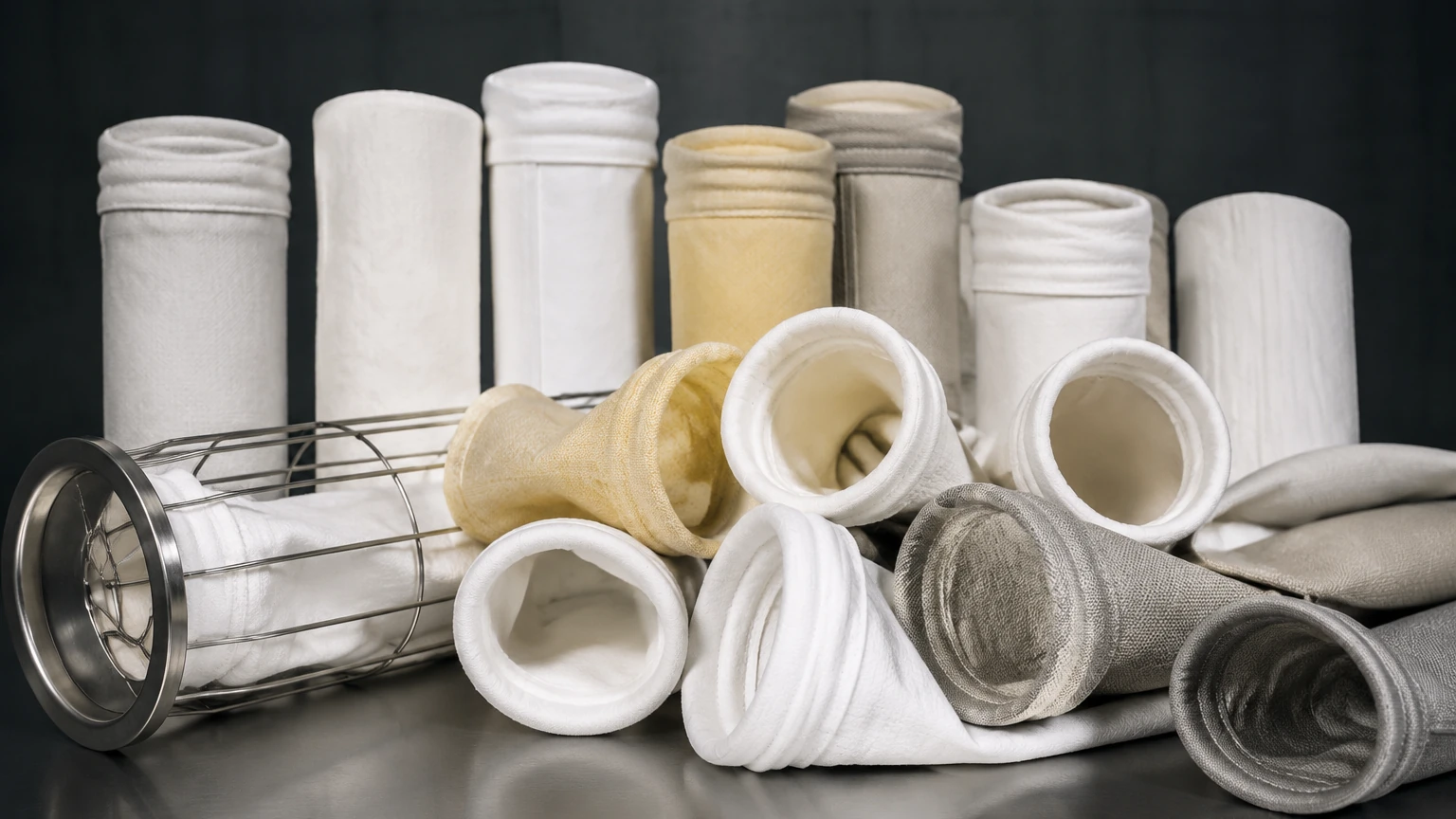
A filter bag is only as good as the cage that supports it. In pulse-jet baghouses, the cage prevents the bag from collapsing during the filtration cycle. If a supplier provides bags that are too loose or too tight for the existing cages, the mechanical stress will cause the fabric to fail prematurely.
Quality-conscious suppliers will request the specifications of your cages—including the number of vertical wires and the ring spacing—before finalizing a bag order. Cages with burrs, corrosion, or improper wire spacing can abrade the bag from the inside. This synergy between the flexible media and the rigid metal support is why many engineering teams prioritize suppliers who understand both textile and metal filtration dynamics.
Risk Management in Baghouse Component Procurement
Procuring from unverified baghouse filter bags suppliers carries significant operational risks. To mitigate these, procurement teams should focus on the following:
1. Consistency of Media: Ensure the supplier uses consistent fiber weights (measured in ounces per square yard or grams per square meter). Variations in density lead to uneven airflow and localized wear.
2. Permeability Testing: Suppliers should provide Frazier permeability ratings for their media, ensuring the fabric allows the correct volume of air to pass at a specific pressure drop.
3. Lead Time Reliability: Baghouse failures often require rapid replacement to avoid plant shutdowns. Suppliers with domestic inventory or agile manufacturing capabilities are preferred over those with long, unpredictable supply chains.
4. Quality Documentation: Request ISO 9001 certification and batch-specific test reports for tensile strength, burst strength, and elongation.
Total Cost of Ownership and Long-term Performance
The lowest bid from baghouse filter bags suppliers is rarely the most economical choice over the life of the system. The Total Cost of Ownership (TCO) includes the purchase price, installation labor, disposal costs of used bags, and, most importantly, the energy cost required to pull air through the filters.
High-quality bags from reputable suppliers maintain a lower stable differential pressure. A reduction in differential pressure of just 1-2 inches of water gauge can result in thousands of dollars in energy savings annually for large-scale fan motors. Furthermore, bags that last 24 months instead of 12 months halve the labor costs and downtime associated with change-outs.
Technical Questions for Potential Suppliers
Before finalizing a contract with baghouse filter bags suppliers, technical teams should pose the following questions:
* What is the recommended maximum continuous operating temperature and surge temperature for this specific media?
* How does the proposed finish (e.g., ePTFE membrane) affect the cleaning cycle frequency and compressed air consumption?
* Can you provide a compatibility chart for the specific chemicals (acids, alkalis, oxidants) present in our process gas?
* What tolerances do you maintain for bag length and diameter to ensure a proper fit on our existing tube sheets?
* Do you offer onsite troubleshooting or leak detection services (such as fluorescent powder testing) if emissions are detected?
Conclusion
Identifying top-tier baghouse filter bags suppliers requires a shift from commodity purchasing to strategic engineering procurement. By focusing on material science, manufacturing precision, and the mechanical compatibility between the filter media and its support structures, industrial facilities can significantly improve their air quality compliance and operational efficiency.
Whether you are managing a standard dust collection system or a high-temperature chemical process, the quality of the filter bag is the thin line between a clean exhaust and a costly environmental violation. For those requiring specialized metal filtration or custom support components to complement their baghouse operations, visiting the Main Page of an experienced manufacturer like Kaifil provides access to the technical expertise needed for demanding industrial environments. Through careful supplier vetting and a focus on technical specifications, engineers can ensure their filtration systems deliver reliable performance for years to come.
