


Ballast Water Filter
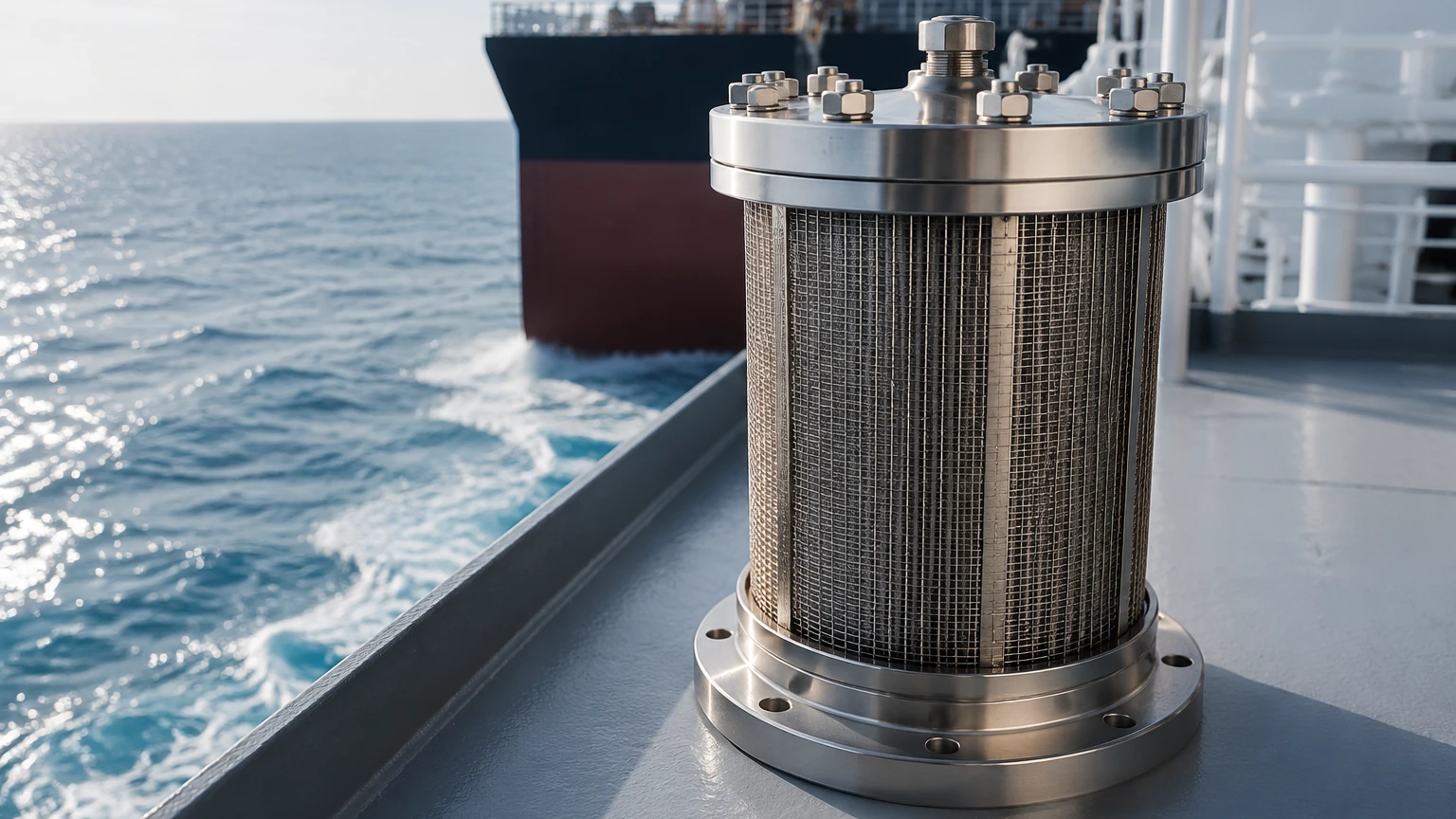
In the maritime and industrial sectors, the management of ballast water is a critical operational and environmental requirement. As ships move between different geographical regions, they take on and discharge ballast water to maintain stability, trim, and structural integrity. However, this process often transports non-indigenous aquatic species, bacteria, and pathogens across ecological boundaries. To mitigate these risks, international regulations—most notably those established by the International Maritime Organization (IMO) and the United States Coast Guard (USCG)—mandate the use of Ballast Water Management Systems (BWMS). A core component of these systems is the ballast water filter, which serves as the primary mechanical barrier against larger organisms and sediment.
For engineers and procurement professionals, selecting the right filtration solution is not merely a matter of compliance but a decision that impacts the longevity, maintenance costs, and operational efficiency of the entire vessel. This guide explores the technical engineering considerations, material requirements, and performance expectations of high-quality stainless steel filtration components used in ballast water applications.
The Role of Mechanical Filtration in BWMS
A ballast water filter is typically the first stage of a multi-stage treatment process. While subsequent stages may involve ultraviolet (UV) irradiation, electrolysis, or chemical injection to neutralize microscopic organisms, the mechanical filter is responsible for removing larger particles, typically those greater than 40 to 50 microns.
By removing these larger solids and organisms during the intake process, the filter protects the downstream treatment equipment from fouling and ensures that the secondary treatment stages can operate at maximum efficiency. For example, in a UV-based system, high turbidity or the presence of large organic matter can shield smaller organisms from the UV light, reducing the system's kill rate. A robust mechanical filter ensures that the water clarity is sufficient for effective treatment. Furthermore, removing sediment at the point of intake prevents the accumulation of silt in the ballast tanks, which can reduce the ship's cargo capacity and increase fuel consumption over time.
Engineering Specifications and Micron Ratings
When designing or specifying a ballast water filter, the micron rating is the most critical performance metric. In most maritime applications, the industry standard for primary filtration is a nominal or absolute rating between 25 and 50 microns.
Nominal vs. Absolute Filtration
Engineers must distinguish between nominal and absolute ratings. A nominal rating refers to the ability of the filter to retain a majority of particles of a specific size, whereas an absolute rating indicates that the filter will block essentially all particles of that size. In the context of a ballast water filter, high-precision wire mesh or wedge wire elements are preferred because they offer consistent pore sizes that maintain their structural integrity even under high-pressure conditions.
Flow Rates and Pressure Drop
Ballast systems are required to handle massive volumes of water in relatively short periods. A typical ballast water filter must accommodate high flow rates while maintaining a low pressure drop (Delta P). If the pressure drop across the filter is too high, it can strain the ballast pumps and slow down the ballasting process, leading to longer port stays and increased operational costs. Engineering teams must calculate the effective filtration area (EFA) to ensure that the filter can handle the required flow without reaching its terminal pressure drop prematurely.
Material Selection for Corrosive Environments
The maritime environment is one of the most demanding settings for industrial components. Seawater is highly corrosive, and the presence of dissolved salts, oxygen, and various microorganisms can lead to rapid degradation of inferior metals. Therefore, the material selection for a ballast water filter is paramount.
Stainless Steel Alloys
Stainless steel is the industry standard for ballast water filtration components due to its corrosion resistance and mechanical strength. However, not all grades of stainless steel are suitable for continuous immersion in seawater.
* AISI 316L: This is the most common choice for marine filtration. The "L" stands for low carbon, which helps prevent sensitization and intergranular corrosion during welding. The addition of molybdenum provides better resistance to pitting and crevice corrosion compared to 304 series steel.
* Duplex and Super Duplex Steel: For systems operating in highly saline or warm waters, Duplex (e.g., 2205) or Super Duplex (e.g., 2507) stainless steels are often specified. These materials offer nearly double the mechanical strength of austenitic stainless steels and significantly higher resistance to localized corrosion.
* 904L: A high-alloy austenitic stainless steel with low carbon content, often used where 316L may not provide sufficient resistance to sulfuric or phosphoric acids, and it is highly resistant to pitting in chloride environments.
As a professional manufacturer specializing in custom stainless steel filtration solutions, Kaifil emphasizes the importance of material traceability and quality control to ensure that every filter component can withstand the rigors of long-term maritime service.
Filter Element Structures: Wire Mesh vs. Wedge Wire
The internal structure of the ballast water filter element determines its cleaning efficiency and durability. There are two primary designs used in industrial BWMS: stainless steel wire mesh and wedge wire.
Stainless Steel Wire Mesh
Multi-layered sintered wire mesh is a popular choice for fine filtration. By sintering multiple layers of woven wire cloth together, engineers create a filter medium that combines high porosity with excellent mechanical strength. The outer layers provide protection and support, while the inner layers determine the filtration accuracy. These elements are highly effective at capturing irregularly shaped organisms and can be customized to specific micron ratings.
Wedge Wire (V-Wire)
Wedge wire screens are constructed by welding V-shaped profile wires onto support rods. This design creates a continuous slot that widens inwardly, which helps prevent clogging and facilitates easier backwashing. Wedge wire is exceptionally robust and is often preferred for applications where the filter must withstand high physical impact or where the debris consists of heavy sediments.
The Importance of Automatic Backwashing
Because ballast water is often drawn from turbid harbor waters, a ballast water filter will inevitably accumulate debris. To maintain continuous operation without manual intervention, most modern BWMS utilize automatic backwashing filters.
When the pressure differential across the filter element reaches a pre-set limit, the backwash cycle is triggered. A small portion of the filtered water (or a separate cleaning arm) is used to flush the debris off the filter surface and out through a waste discharge line. The efficiency of this cycle depends heavily on the surface finish and the geometric precision of the filter element. A poorly manufactured filter may trap debris within the mesh, leading to "blinding," where the filter can no longer be cleaned by backwashing. This results in frequent downtime and the need for chemical cleaning or manual replacement.
Customization and OEM Integration
No two ballast water management systems are identical. Space constraints in the engine room, varying pump capacities, and specific regulatory requirements mean that off-the-shelf filtration solutions are often inadequate.
Customization is a key factor for system integrators. This includes:
* Custom Dimensions: Tailoring the length, diameter, and flange connections of the filter cartridge to fit existing housing designs.
* Reinforced Structures: Adding internal support cores or external cages for high-pressure applications.
* Specific Micron Gradations: Engineering multi-stage mesh configurations to handle specific types of biological loads found in different trading routes.
By working with a manufacturer that provides reliable OEM and customized filtration solutions, engineers can ensure that the filtration component is perfectly matched to the system's hydraulic profile. For more information on custom engineering capabilities, you can visit the Main Page.
Maintenance and Total Cost of Ownership
While the initial purchase price of a ballast water filter is a significant consideration, the total cost of ownership (TCO) is influenced far more by durability and maintenance requirements. A low-quality filter that requires frequent replacement or manual cleaning can quickly become a financial burden.
Replacement Cycles
High-quality stainless steel filter cartridges are designed for longevity. Under normal operating conditions, a well-maintained stainless steel mesh element can last for several years. The key to extending the replacement cycle is ensuring that the backwash system is functioning correctly and that the filter material is appropriate for the water chemistry.
Operational Downtime
In the shipping industry, time in port is expensive. If a BWMS fails due to a clogged or damaged filter, the vessel may be prohibited from discharging ballast, preventing it from loading cargo. This can lead to massive financial penalties and scheduling disruptions. Investing in precision-engineered metal filter components reduces the risk of unexpected failures.
Key Questions for Engineers Before Purchasing
Before finalizing a specification for a ballast water filter, technical teams should confirm the following details with their supplier:
1. What is the precise alloy grade? Ensure it meets the corrosion resistance requirements for the intended operating environment (e.g., 316L vs. Duplex).
2. Is the micron rating absolute or nominal? For BWMS compliance, absolute ratings are generally safer to ensure regulatory discharge standards are met.
3. What is the maximum allowable pressure differential? The filter must be able to withstand the maximum pressure exerted by the ballast pumps during a worst-case clogging scenario.
4. Is the filter element compatible with automatic backwashing? The surface geometry must support efficient debris release.
5. Can the manufacturer provide custom sizing? Ensure the component fits the specific footprint of the BWMS housing.
Conclusion
The ballast water filter is a small but vital component in the global effort to protect marine biodiversity. From an engineering perspective, it represents a complex balance of fluid dynamics, material science, and mechanical design. By selecting high-performance stainless steel filtration solutions that offer precise micron ratings and superior corrosion resistance, maritime operators can ensure regulatory compliance while optimizing the reliability of their vessels.
As industrial filtration needs continue to evolve, the demand for durable, efficient, and customized metal filter components remains constant. Whether for chemical processing, water treatment, or maritime ballast systems, the integration of high-quality filtration is essential for operational success. For a comprehensive look at available filtration technologies and custom manufacturing options, please refer to the Kaifil Main Page.
