


Bar Screen for Stp
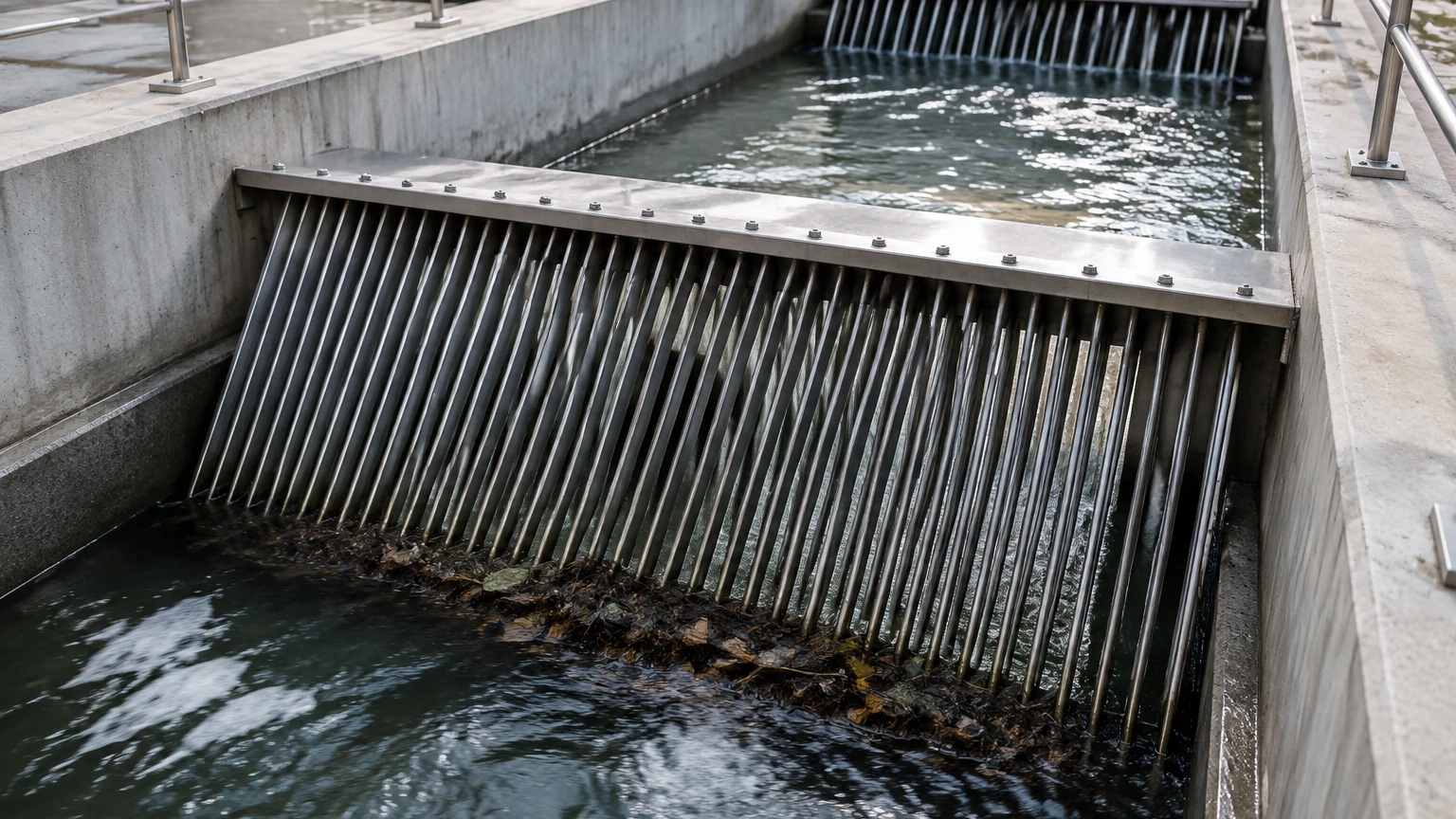
In the architecture of a Sewage Treatment Plant (STP), the preliminary treatment stage is perhaps the most critical for ensuring the longevity and operational efficiency of the entire facility. At the heart of this stage lies the bar screen for stp. This mechanical filtration component serves as the primary defense mechanism, tasked with removing large inorganic solids—such as plastics, rags, wood, and stones—before the influent reaches sensitive downstream equipment like pumps, membranes, and aeration systems.
For engineers and procurement professionals, selecting the correct bar screen for stp involves more than just choosing a physical barrier; it requires a deep understanding of fluid dynamics, material science, and the specific characteristics of the wastewater being treated. As a specialist in custom stainless steel filtration, Kaifil provides the precision-engineered components necessary to maintain these systems in demanding industrial and municipal environments. To explore specific technical configurations, you can visit our Main Page for detailed product specifications.
The Role of Bar Screens in Sewage Treatment Plants (STP)
The fundamental purpose of a bar screen for stp is protection. Wastewater often contains a high volume of debris that is non-biodegradable and physically hazardous to mechanical systems. If these materials are allowed to pass into the secondary treatment phases, they can cause catastrophic pump failures, clog fine-bubble diffusers, or damage expensive membrane bioreactors (MBR).
From an engineering perspective, the bar screen is designed to facilitate "screening," which is the first unit operation in any STP. By intercepting large solids, the screen reduces the organic load and prevents mechanical wear. The efficiency of this process directly impacts the Total Cost of Ownership (TCO) of the plant. A well-designed bar screen for stp minimizes downtime and reduces the frequency of manual interventions, which are both costly and hazardous for plant operators.
Classification of Bar Screens: Coarse vs. Fine Filtration
Bar screens are generally categorized based on the clear opening between the bars. The selection between coarse and fine screening depends on the downstream processes and the expected solids loading of the influent.
Coarse Screens
Coarse screens typically have openings ranging from 6mm to 150mm. These are usually the very first point of contact for raw sewage. Their primary role is to catch large objects that could cause immediate mechanical blockage. In many large-scale STPs, coarse screens are used in series with fine screens to provide a multi-stage filtration approach.
Fine Screens
Fine screens feature openings smaller than 6mm. These are increasingly common in modern plants, especially those utilizing MBR technology or high-efficiency activated sludge processes. Fine screens often utilize specialized media, such as stainless steel wire mesh or wedge wire, to capture smaller particulates that coarse screens would miss. Because fine screens are more prone to blinding (clogging), they almost always require automated cleaning mechanisms.
Engineering Design Parameters for STP Bar Screens
When specifying a bar screen for stp, several hydraulic and mechanical parameters must be calculated to ensure the system performs under peak flow conditions without causing upstream flooding.
1. Approach Velocity
The velocity of the wastewater as it nears the screen should be high enough to prevent the settling of grit and heavy solids in the channel (typically above 0.3 m/s) but low enough to prevent debris from being forced through the screen openings.
2. Through-Screen Velocity
This is the velocity of the fluid as it passes between the bars. For a bar screen for stp, this velocity is usually limited to 1.2 m/s. If the velocity is too high, flexible materials like plastic films or rags can be extruded through the bars, defeating the purpose of the screen.
3. Head Loss
Head loss refers to the drop in water level across the screen. It is a function of the screen's open area, the velocity of the flow, and the amount of debris currently trapped on the screen. Engineers use the Bernoulli equation and specific discharge coefficients to predict head loss. Excessive head loss can lead to channel overflow, making real-time monitoring and automated cleaning essential.
4. Angle of Inclination
Bar screens are rarely vertical. They are typically installed at an angle between 60 and 80 degrees. A steeper angle reduces the footprint of the installation, while a shallower angle increases the effective surface area of the screen, potentially reducing head loss and making mechanical raking easier.
Material Selection: The Importance of Stainless Steel in Wastewater
The environment within an STP is exceptionally harsh. The presence of hydrogen sulfide (H2S), moisture, and various industrial chemicals creates a highly corrosive atmosphere. Furthermore, the physical impact of debris requires materials with high structural integrity.
Stainless steel is the industry standard for high-quality bar screen for stp components. While carbon steel may offer a lower initial CAPEX, the long-term costs associated with corrosion and frequent replacement make it a poor investment.
* SS304: Suitable for standard municipal wastewater with low chloride content.
* SS316/316L: Recommended for industrial wastewater or coastal STPs where chloride levels are high. The addition of molybdenum in SS316 provides superior resistance to pitting and crevice corrosion.
At Kaifil, we emphasize the use of precision-manufactured stainless steel components, including wedge wire and perforated plates, to ensure that the filtration surface remains smooth and resistant to "stapling" (where fibers wrap around the bars and become difficult to remove).
Operational Challenges and Maintenance Strategies
Even the best-engineered bar screen for stp will fail if maintenance is neglected. The most common operational challenge is "blinding," where the accumulation of solids exceeds the cleaning capacity of the system.
Cleaning Mechanisms
* Manual Cleaning: Used only in very small plants or as a bypass backup. It is labor-intensive and leads to inconsistent head loss.
* Mechanical Raking: Automated rakes move across the bars to lift debris into a conveyor or hopper. These can be front-cleaned or back-cleaned. Front-cleaned screens are generally preferred as they prevent debris from being pushed through the bars during the cleaning cycle.
Replacement Cycles
The filtration media—the actual bars or mesh—are subject to wear from abrasive grit. A regular inspection schedule should focus on the integrity of the bar spacings. If bars become bent or misaligned, the "clear opening" changes, allowing larger solids to pass through and potentially damaging downstream membranes.
Customization and OEM Solutions for STP Filtration
No two sewage treatment plants are identical. Variations in channel width, depth, flow rate, and the nature of the influent require customized filtration solutions. Standard off-the-shelf screens often fail to meet the specific hydraulic requirements of a retrofitted plant or a specialized industrial facility.
Customization options for a bar screen for stp include:
* Variable Bar Spacing: Tailoring the gap to the specific debris profile of the site.
* Wedge Wire Integration: Utilizing V-shaped profiles to minimize contact points and reduce clogging.
* Reinforced Frames: For high-flow applications where hydraulic pressure is significant.
As an OEM manufacturer, Kaifil works closely with engineering firms to produce filtration components that fit perfectly into existing infrastructure while improving overall filtration accuracy. By focusing on the precision of the metal components, we help ensure that the mechanical cleaning systems operate with minimal friction and maximum debris recovery.
Critical Technical Questions for Procurement Teams
Before finalizing a purchase order for a bar screen for stp, engineers and purchasing managers should confirm the following technical details with their supplier:
1. What is the Percentage of Open Area? A higher open area reduces head loss and energy consumption for pumps.
2. How is the Material Certified? Ensure that the stainless steel grade (SS304 or SS316) is verified by material test reports (MTRs) to prevent premature corrosion.
3. What is the Peak Flow Capacity? The screen must be rated for the maximum possible hydraulic load, not just the average daily flow.
4. Is the Cleaning Cycle Differential-Pressure Based? Modern systems should trigger cleaning based on the water level difference across the screen rather than just a simple timer.
5. What are the Tolerances for Bar Spacing? In fine screening, even a 1mm deviation can allow problematic solids to pass through.
Conclusion
The bar screen for stp is a foundational element of wastewater management. By selecting high-quality stainless steel components and adhering to rigorous engineering standards, plant operators can significantly improve the reliability of their entire treatment process. Whether you are designing a new facility or upgrading an existing channel, the focus should always remain on durability, hydraulic efficiency, and ease of maintenance.
For more information on customized stainless steel filtration solutions and to discuss your specific project requirements, please visit our Main Page to connect with our engineering team.
