


Bar Screen Wastewater Treatment
In the hierarchy of industrial and municipal water processing, the preliminary treatment phase serves as the critical safeguard for all downstream operations. Bar screen wastewater treatment represents the first physical barrier in this process, designed specifically to remove large solids, debris, and inorganic materials that could otherwise damage mechanical equipment or compromise the efficiency of biological and chemical treatment stages. For engineers and facility managers, selecting the correct bar screening technology is not merely a matter of filtration; it is a strategic decision that impacts the longevity of pumps, the frequency of maintenance cycles, and the overall total cost of ownership (TCO) of the treatment plant.
As a manufacturer specializing in high-precision stainless steel filtration components, Kaifil understands that the efficacy of a bar screen depends on material integrity, hydraulic design, and application-specific customization. This guide explores the technical nuances of bar screen systems, the engineering considerations for material selection, and the operational parameters essential for optimizing wastewater pretreatment.
The Functional Role of Bar Screens in Pretreatment
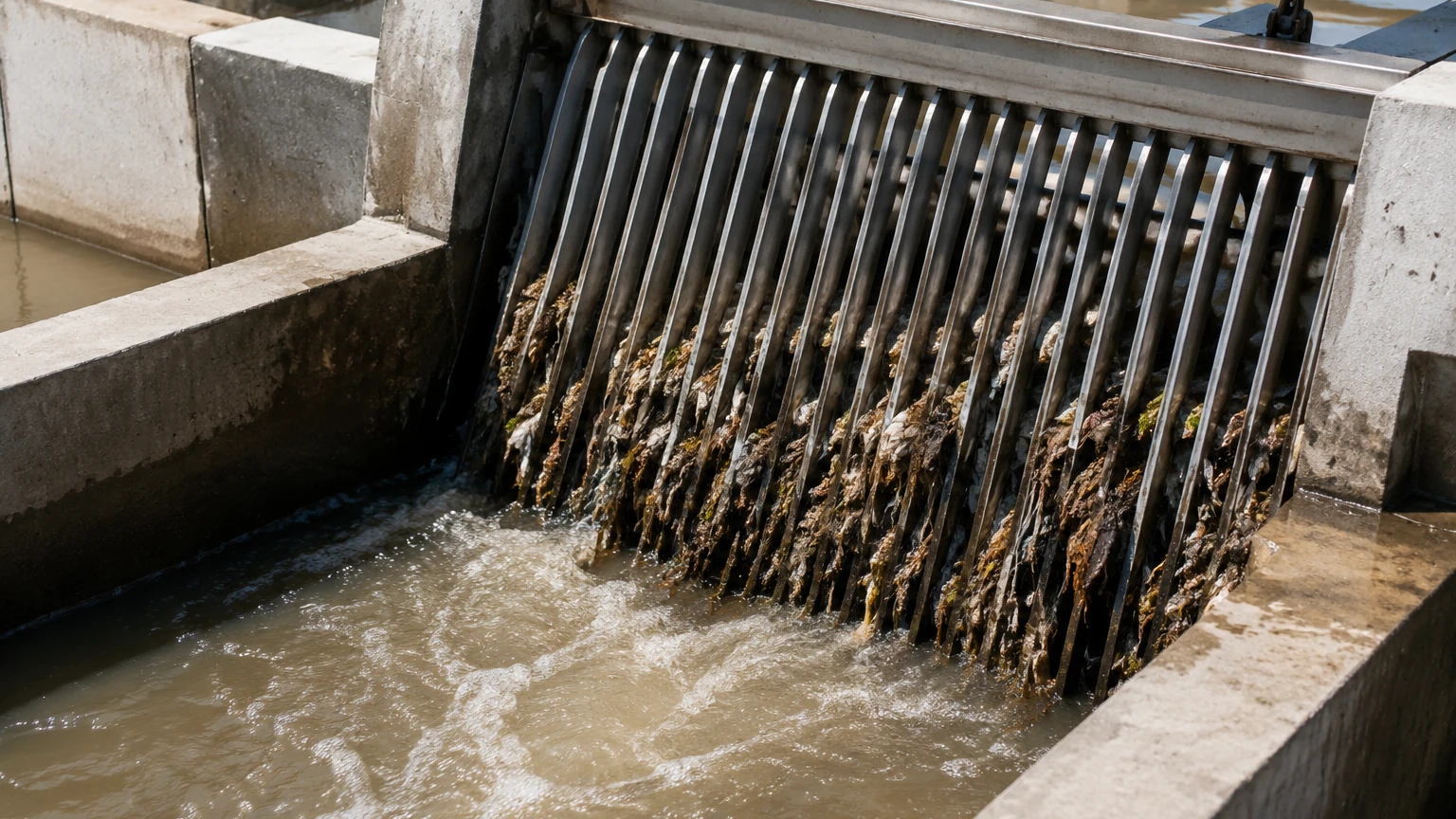
The primary objective of bar screen wastewater treatment is the removal of "gross solids." These include rags, plastics, wood, stones, and other large objects that often find their way into influent streams. Without effective screening, these materials cause "ragging" in centrifugal pumps, clog valves, and accumulate in aeration tanks, leading to expensive downtime and manual cleaning requirements.
Bar screens are typically categorized by their clear opening size:
1. Coarse Screens: These generally feature openings larger than 6 mm (typically ranging from 15 mm to 100 mm). They are the first line of defense, capturing the largest debris.
2. Fine Screens: These utilize openings smaller than 6 mm. In many modern industrial applications, fine screens are used to protect sensitive membrane bioreactors (MBR) or high-pressure filtration systems.
By effectively managing the influent at the headworks, bar screens ensure that the subsequent organic treatment processes can operate under steady-state conditions, free from the mechanical interference of non-biodegradable solids.
Engineering Design and Hydraulic Considerations
Designing an effective bar screen wastewater treatment system requires a deep understanding of fluid dynamics and hydraulic loading. Engineers must balance the need for high solids capture rates with the requirement to maintain flow and minimize head loss.
Head Loss and Flow Velocity
Head loss—the drop in water level across the screen—is a critical metric. High head loss indicates that the screen is becoming blinded (clogged) or that the bar spacing is too restrictive for the influent flow rate. Excessive head loss can lead to upstream surcharging or overflow.
The velocity of the wastewater as it approaches and passes through the bars is equally important. A typical approach velocity is maintained between 0.6 m/s and 1.2 m/s. If the velocity is too low, grit and heavy solids may settle in the channel before reaching the screen. If it is too high, flexible solids (like plastics or rags) may be forced through the bars, defeating the purpose of the screening process.
Bar Profile and Geometry
The shape of the bars themselves significantly influences hydraulic efficiency. While rectangular bars are common due to ease of manufacturing, they create more turbulence and higher head loss. Teardrop-shaped or trapezoidal bars (often utilized in wedge wire configurations) provide a smoother hydraulic profile, reducing turbulence and improving the "self-cleaning" characteristics of the screen during the raking cycle.
Material Selection: The Case for Stainless Steel
In the corrosive and abrasive environment of a wastewater treatment plant, material selection is the primary determinant of a component's lifespan. Bar screens are constantly exposed to hydrogen sulfide (H2S) gas, moisture, varying pH levels, and abrasive grit.
Corrosion Resistance
Standard carbon steel, even when coated, rarely survives the long-term rigors of wastewater influent channels. Stainless steel is the industry standard for professional-grade bar screens.
* Grade 304 Stainless Steel: Suitable for many municipal applications where chemical exposure is moderate.
* Grade 316/316L Stainless Steel: Essential for industrial wastewater, particularly in chemical processing or food and beverage sectors, where chlorides and acidic cleaning agents are present. The addition of molybdenum in 316 stainless steel provides superior resistance to pitting and crevice corrosion.
Structural Integrity and Wear
Beyond corrosion, bar screens must withstand the physical impact of heavy debris. High-quality manufacturing ensures that the bars remain parallel and properly spaced even under high differential pressure. Precision welding techniques, such as those employed by Kaifil, prevent structural failure at the joints, which is a common failure point in lower-quality screens. For specialized requirements, you can Review product options and application support on our Main Page to understand how custom metal components are engineered for durability.
Mechanical vs. Manual Cleaning Systems
The method of removing captured solids (screenings) from the bars is a major operational consideration.
Manual Bar Screens
Manually cleaned screens are typically used in very small facilities or as emergency bypass channels. While they have low initial capital costs, they require frequent labor-intensive cleaning. If the operator fails to clean the screen in time, the resulting head loss can cause significant upstream issues.
Mechanical Bar Screens
Modern bar screen wastewater treatment almost exclusively relies on automated mechanical cleaning. Several designs dominate the market:
* Chain-Driven Rake Screens: Use a series of rakes attached to a chain to pull debris up the face of the screen to a discharge point.
* Reciprocating Rake (Climber) Screens: Feature a single rake mechanism that moves down to the bottom of the channel and climbs back up, pulling debris with it. These are preferred for deep channels because they have no submerged moving parts except the rake itself.
* Step Screens: Consist of two sets of thin, stepped plates (one fixed, one moving) that lift solids up the screen in a "stepping" motion. These are excellent for fine screening but are more sensitive to heavy grit.
Operational Challenges and Maintenance
To maintain the efficiency of a bar screen system, several operational factors must be monitored:
1. Screenings Management: Once solids are removed from the water, they must be dewatered and compacted. Integrating a screenings washer-press can significantly reduce the volume and weight of the waste, lowering disposal costs.
2. Blinding and Biofouling: In certain industrial wastewaters, fats, oils, and grease (FOG) or biological growth can coat the bars, leading to blinding. Regular cleaning cycles and, in some cases, hot water or chemical spray systems are required.
3. Wear of Moving Parts: In mechanical screens, chains, sprockets, and bearings are wear items. Selecting a design that minimizes submerged moving parts or utilizes self-lubricating materials can extend the time between overhauls.
Customization for Industrial Applications
Industrial wastewater often presents unique challenges that off-the-shelf municipal bar screens cannot address. For instance, in a poultry processing plant, the screen must handle high volumes of feathers and fats, whereas a textile mill might deal with long fibers that easily wrap around mechanical components.
Customization involves more than just adjusting the width and depth of the screen. It includes:
* Aperture Optimization: Selecting the exact bar spacing to balance capture efficiency with hydraulic throughput.
* Surface Treatments: Electropolishing or specialized coatings to reduce the adhesion of sticky substances.
* Reinforced Structures: Designing for high-flow events or heavy debris loads specific to the industry.
Kaifil specializes in providing these types of tailored solutions. By focusing on precision metal components and high-performance stainless steel, we help engineers develop filtration systems that meet the specific rigors of their industrial environment.
Conclusion: Selecting the Right Solution
Bar screen wastewater treatment is the foundation of a reliable water processing strategy. By focusing on hydraulic precision, robust material selection, and appropriate mechanical cleaning technology, facilities can protect their downstream investments and ensure regulatory compliance.
When evaluating a bar screen provider, engineers should confirm:
* The grade of stainless steel and its suitability for the specific chemical profile of the influent.
* The calculated head loss at peak flow conditions.
* The ease of access for routine maintenance and the availability of replacement wear parts.
* The manufacturer's ability to customize the screen geometry to fit existing channel dimensions without extensive civil engineering modifications.
For technical professionals seeking reliable filtration components and custom-engineered solutions, exploring the capabilities of a dedicated manufacturer is the first step toward optimized performance. Detailed specifications and engineering support for stainless steel filtration can be found on our Main Page, providing the technical foundation needed for successful project implementation.
