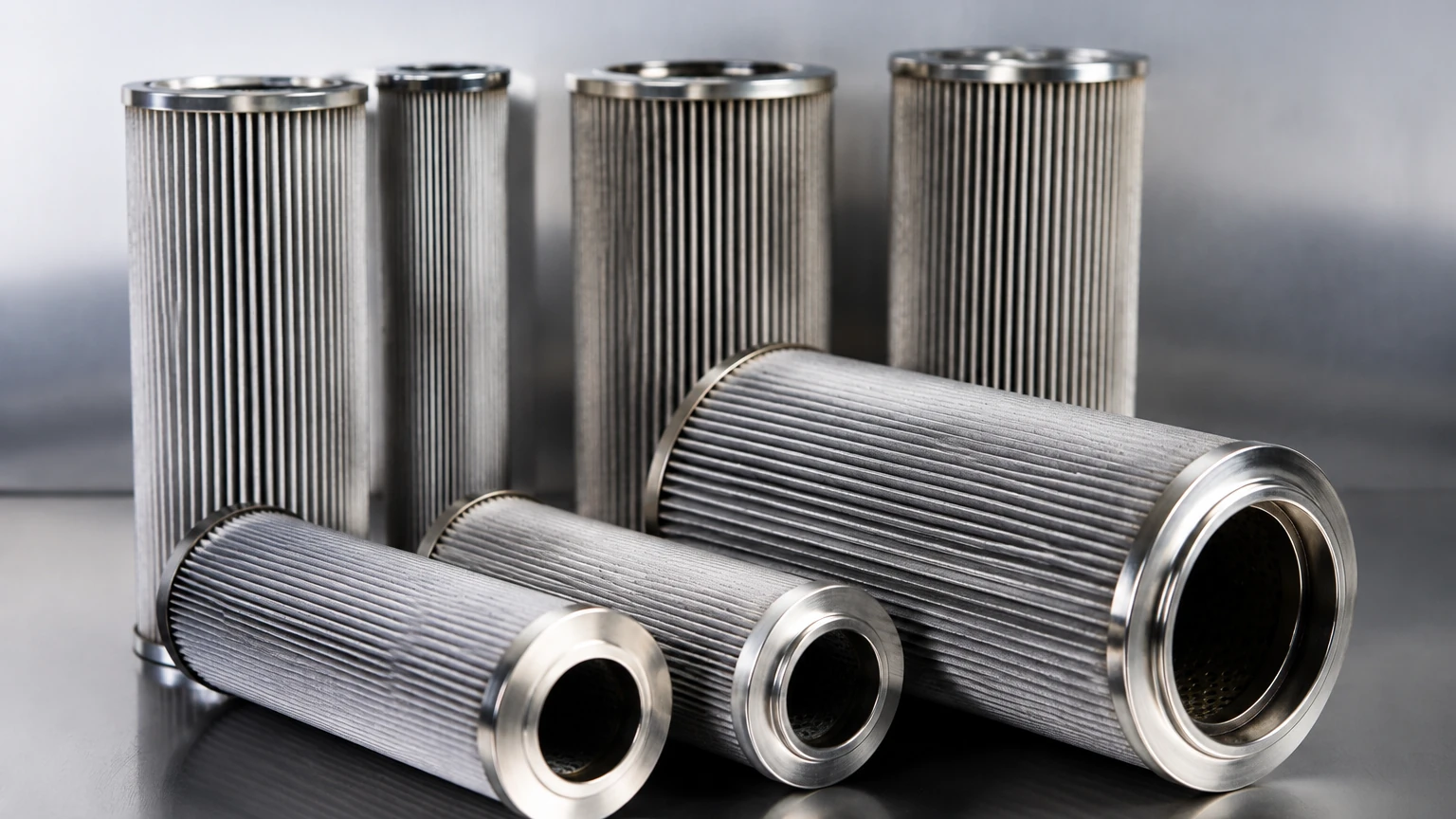
Benefits of Spare Dust Collector Filters
In industrial environments, air filtration and dust collection systems are not merely peripheral utilities; they are critical components of the production infrastructure. Whether in chemical processing, pharmaceutical manufacturing, or food and beverage production, the efficiency of a dust collector directly impacts operational uptime, product purity, and workplace safety. One of the most overlooked aspects of facility management is the strategic procurement and storage of replacement components. Understanding the technical and economic benefits of spare dust collector filters is essential for engineers and purchasing teams who aim to optimize their filtration performance and minimize total cost of ownership.
Minimizing Unplanned Downtime and Production Losses
The primary advantage of maintaining an inventory of spare filters is the mitigation of unplanned downtime. In a high-volume industrial setting, a dust collector failure can bring an entire production line to a standstill. If a filter bag or cartridge develops a leak, experiences blinding, or reaches its terminal pressure drop unexpectedly, the system must be shut down to prevent the release of particulates into the workspace or the atmosphere.
Without spares on-site, the facility is at the mercy of supplier lead times and shipping schedules. For specialized or custom-engineered filtration solutions, such as those found on our Main Page, lead times can extend from several days to weeks. The financial impact of a single day of lost production often far exceeds the capital tied up in a set of spare filters. By having immediate access to replacements, maintenance teams can perform a swap during a scheduled shift change or a brief window of inactivity, ensuring that the facility remains operational with minimal disruption.
Enhancing Maintenance Efficiency and Equipment Longevity
Reactive maintenance—replacing parts only after they fail—is rarely the most cost-effective strategy for industrial filtration. When dust collector filters are operated beyond their effective lifespan, the system’s differential pressure increases. This high resistance forces the primary blower or fan to work harder to maintain the required airflow (CFM), leading to significantly higher energy consumption and accelerated wear on the motor and drive components.
Having spare filters readily available encourages a proactive maintenance culture. When technicians observe a steady climb in differential pressure that cannot be rectified by the pulse-jet cleaning system, they can schedule a replacement before the system reaches a critical state. This not only protects the mechanical integrity of the dust collector but also ensures that the filtration media is operating within its designed efficiency range. For precision applications, maintaining the correct air-to-cloth ratio and pressure balance is vital for the longevity of the entire ventilation system.
Ensuring Regulatory Compliance and Workplace Safety
Industrial facilities are subject to stringent regulations regarding air quality and emissions, governed by organizations such as OSHA and the EPA. A compromised dust collector can lead to the accumulation of combustible dust or the exposure of workers to hazardous particulates. In pharmaceutical and food processing, filtration failure can lead to cross-contamination, potentially resulting in the loss of entire product batches and severe regulatory penalties.
One of the critical benefits of spare dust collector filters is the ability to maintain continuous compliance. If a leak is detected through a broken bag detector or visual inspection, having a spare allows for an immediate fix. Operating a system with damaged filters while waiting for a shipment is a violation of safety protocols and environmental permits. Furthermore, in industries dealing with explosive dusts, maintaining the integrity of the filtration system is a core component of the facility’s fire and explosion prevention strategy. Spare filters ensure that there is never a reason to compromise on safety for the sake of production continuity.
Technical Considerations for Spare Filter Selection
When managing an inventory of spare filters, it is not enough to simply match the dimensions of the existing units. Engineers must consider the specific demands of their application to ensure the spares provide the same, if not better, performance. Factors such as micron rating, temperature resistance, and chemical compatibility are paramount.
1. Material Selection: Depending on the gas stream chemistry, filters may need to be constructed from specialized materials. While synthetic fibers are common, many demanding industrial applications benefit from stainless steel wire mesh or sintered metal filters. These materials offer superior durability and can be cleaned and reused more effectively than traditional fabric media.
2. Filtration Accuracy: The micron rating must be precisely matched to the particle size distribution of the dust being collected. A spare filter with a lower efficiency than required will allow fine particulates to bypass the system, while one that is too restrictive will lead to premature blinding.
3. Customization: Many industrial dust collectors are custom-built for specific spatial or performance requirements. Utilizing OEM-quality spares or customized filtration components ensures that the fit and seal are perfect, preventing the "bypass leakage" often associated with generic, ill-fitting replacements.
For those seeking high-performance, durable filtration components tailored to specific industrial needs, reviewing the options available at Kaifil can provide insights into how advanced materials and engineering can improve system reliability.
Cost-Benefit Analysis of Inventory Management
While carrying inventory represents a capital expenditure, the total cost of ownership (TCO) analysis usually favors the stocking of critical spares. The costs associated with not having a spare include:
* Expedited Shipping Charges: Overnight or international air freight for heavy filter sets is prohibitively expensive.
* Emergency Labor Costs: Bringing in specialized contractors on short notice to handle a system failure often comes with premium rates.
* Energy Inefficiency: Running a system with clogged filters increases the kilowatt-hour consumption of the facility.
* Product Spoilage: In temperature-controlled or sterile environments, a loss of air pressure or filtration can lead to the immediate spoilage of sensitive materials.
By contrast, the cost of storing spare filters is relatively low, especially if the facility has a dedicated climate-controlled warehouse. When purchasing spares, procurement teams can also leverage bulk pricing. Ordering a year's supply of filters at once is significantly more economical than ordering single units on an as-needed basis.
Best Practices for Storage and Replacement Cycles
To maximize the benefits of spare dust collector filters, they must be stored correctly to prevent degradation before they are even installed. Filters should be kept in their original packaging, away from direct sunlight, moisture, and extreme temperature fluctuations. For stainless steel or metal filters, ensuring they are protected from physical impact is crucial to maintain the integrity of the mesh or sintered structure.
Establishing a clear replacement cycle based on differential pressure (DP) readings is the most scientific way to manage spares. Most industrial dust collectors are equipped with a DP gauge. A baseline reading is taken with new filters; once the DP reaches a predetermined limit (typically 5 to 6 inches of water column, depending on the system), the filters are considered end-of-life. By tracking the time it takes to reach this limit, maintenance managers can accurately predict when they will need to pull from their spare stock and when they need to reorder.
Conclusion
The strategic management of spare dust collector filters is a hallmark of an efficient industrial operation. By eliminating the risks of unplanned downtime, ensuring continuous regulatory compliance, and protecting the mechanical health of the ventilation system, spares provide a safety net that far outweighs their initial cost. For engineers and technical professionals, selecting the right filtration partner is the first step in this process. Reliable components, such as those found on the Kaifil Main Page, ensure that when a replacement is finally needed, the new filter will perform to the highest engineering standards, maintaining the productivity and safety of the facility for years to come.