


Boiler Flash Tank
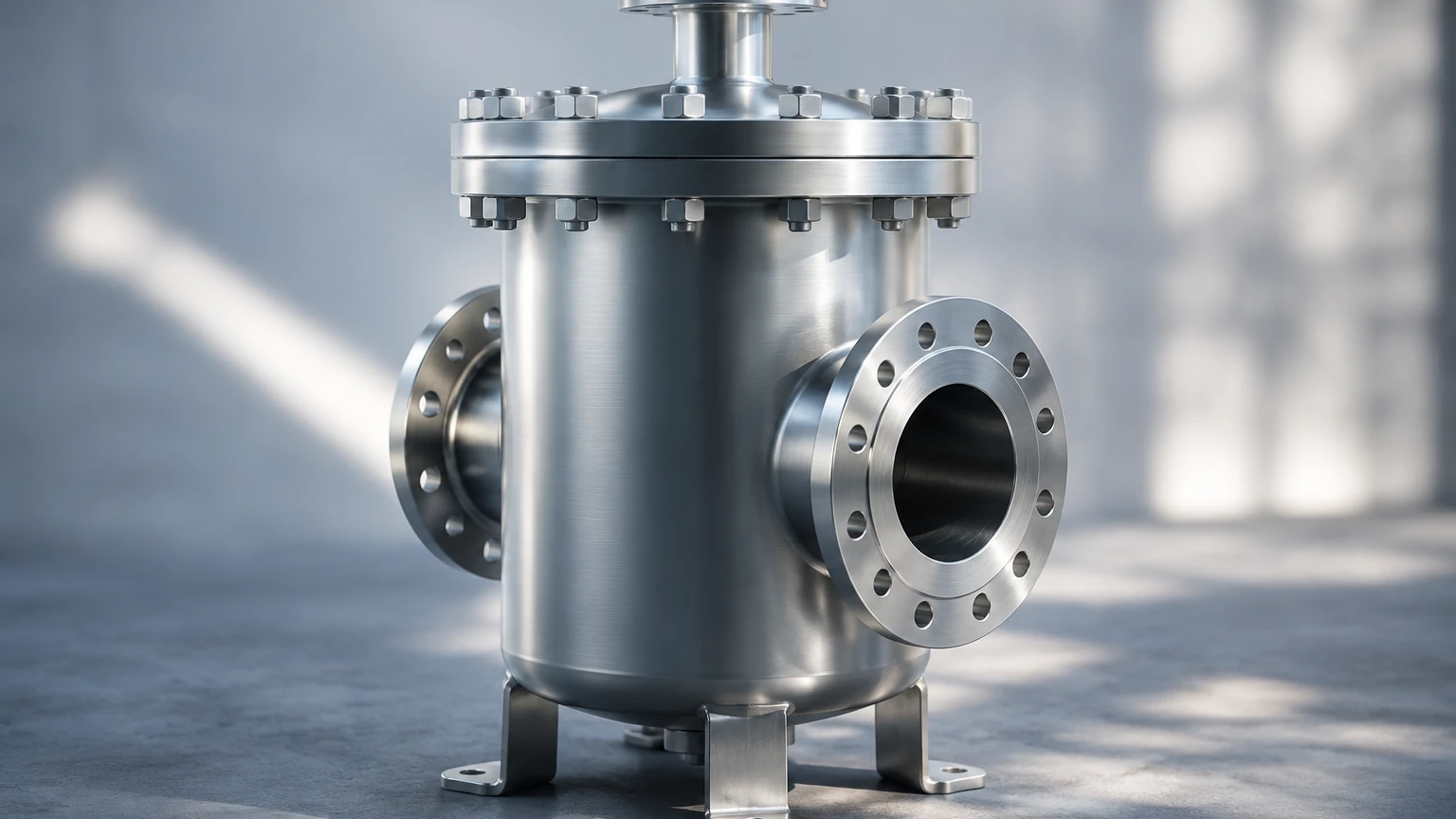
In industrial steam systems, energy efficiency and condensate management are critical to operational sustainability and cost control. A boiler flash tank serves as a vital component in this process, acting as a pressure-reducing vessel that allows high-pressure condensate to "flash" into low-pressure steam. This recovered steam can then be repurposed for heating or process requirements, significantly reducing the demand on the primary boiler and lowering overall fuel consumption.
For engineers and facility managers, understanding the technical nuances of a boiler flash tank—from its thermodynamic principles to the integration of high-performance filtration components—is essential for optimizing system longevity. The efficacy of a flash tank depends not only on its structural design but also on the quality of the internal components, such as stainless steel separators and mesh filters, which ensure the purity of the recovered steam.
Understanding the Function of a Boiler Flash Tank
A boiler flash tank is a pressure vessel designed to facilitate the separation of steam from high-pressure condensate. When condensate is discharged from steam traps at high pressure and temperature, it contains more heat than it can hold at a lower pressure. Upon entering the flash tank, which is maintained at a lower pressure, the excess sensible heat causes a portion of the water to evaporate instantly into steam. This phenomenon is known as "flashing."
The primary objectives of installing a flash tank include:
1. Energy Recovery: Capturing the latent heat of the flash steam that would otherwise be lost to the atmosphere or a cooling system.
2. Pressure Stabilization: Providing a controlled environment where condensate can transition to a lower pressure state without causing damaging water hammer in return lines.
3. System Efficiency: Reducing the amount of makeup water and chemicals required by returning high-quality condensate to the boiler feed system.
To achieve these goals, the flash tank must be engineered to handle specific flow rates and pressure differentials. The quality of the resulting flash steam is a major concern; if the steam carries over excessive moisture or particulate matter, it can damage downstream equipment such as heat exchangers or control valves.
The Thermodynamics of Flash Steam Recovery
The amount of flash steam generated is determined by the difference in the enthalpy of the liquid at the higher and lower pressures. When high-pressure condensate enters the lower-pressure environment of the boiler flash tank, the energy surplus is converted into the latent heat of evaporation.
Engineers calculate the percentage of flash steam using the formula:
% Flash Steam = (SH – SL) / H
* SH: Sensible heat of the higher-pressure condensate.
* SL: Sensible heat of the liquid at the lower pressure.
* H: Latent heat of the steam at the lower pressure.
Because the volume of steam is significantly greater than the volume of the liquid from which it originated, the flash tank must be sized to accommodate high-velocity steam flow while maintaining low enough velocities to allow for effective liquid-vapor separation. This is where the integration of precision-engineered internals becomes critical. High-velocity steam can entrain water droplets, leading to "wet steam," which has lower thermal efficiency and can cause erosion in piping systems.
Engineering Design and Sizing Considerations
Sizing a boiler flash tank requires a balance between vessel volume and surface area. If a tank is too small, the steam velocity will be too high, resulting in excessive carryover of condensate into the steam header. Conversely, an oversized tank leads to unnecessary heat loss through the vessel walls and higher capital costs.
Vessel Diameter and Velocity
To ensure dry steam, the upward velocity of the steam within the tank should generally not exceed 3 to 5 feet per second (0.9 to 1.5 meters per second). This allows gravity to pull larger water droplets back down into the liquid pool at the bottom of the tank. For applications requiring higher purity, internal baffles or stainless steel wire mesh demisters are employed to intercept smaller droplets.
Pressure Ratings and Materials
Flash tanks are typically classified as pressure vessels and must be manufactured according to standards such as the ASME Boiler and Pressure Vessel Code. While carbon steel is common for the vessel shell, the internal components—particularly those subject to high-velocity impingement or corrosive condensate—should be constructed from high-grade stainless steel.
As a manufacturer of custom filtration solutions, Kaifil emphasizes the importance of material selection in these environments. Stainless steel 304 or 316L provides the necessary resistance to the carbonic acid often found in condensate, ensuring that the internal filtration and separation components do not degrade and introduce metallic debris into the steam loop.
Critical Role of Stainless Steel Filtration in Steam Systems
The steam produced in a boiler flash tank is rarely "clean" by industrial standards without secondary treatment. It often contains entrained droplets of condensate, which may carry dissolved solids, boiler chemicals, or pipe scale. To protect downstream processes, especially in the pharmaceutical, food and beverage, and chemical processing industries, high-efficiency filtration is mandatory.
Mist Elimination with Wire Mesh
Stainless steel wire mesh filters act as high-performance demisters within the flash tank. These components consist of knitted wire mesh that provides a high surface area for moisture droplets to coalesce. As the steam passes through the mesh, the droplets hit the wires, merge, and eventually become heavy enough to fall back into the liquid section. This process ensures that the recovered steam is "dry," which is essential for maintaining the heat transfer efficiency of downstream equipment.
Particulate Removal
In many steam recovery systems, the condensate return lines can introduce rust and scale. If these particulates enter the flash tank and are carried over with the steam, they can clog control valves or contaminate the final product. Utilizing stainless steel filter cartridges or precision metal filter components at the outlet of the flash tank or within the steam header provides a final barrier against contamination. These filters must be capable of withstanding the high temperatures and pressures inherent in steam service without shedding fibers or losing structural integrity.
For more information on specialized filtration components for industrial systems, you can Main Page to review product options and application support.
Operational Risks and Maintenance Protocols
While a boiler flash tank is a relatively passive component, several operational risks can compromise its performance and safety. Engineers must implement rigorous maintenance and monitoring protocols to mitigate these issues.
Water Hammer
Water hammer occurs when steam comes into contact with cooler condensate, causing the steam to collapse rapidly and creating a shockwave. In a flash tank, this can happen if the condensate level is allowed to rise too high due to a failed steam trap or a blocked drain line. Proper sizing of the discharge piping and the installation of reliable level controls are essential to prevent this phenomenon.
Corrosion and Erosion
High-velocity steam carrying water droplets can cause localized erosion, particularly at the inlet nozzle and the steam outlet. Furthermore, if the feed water is not properly deaerated, the presence of oxygen and carbon dioxide in the condensate can lead to pitting and thinning of the vessel walls. Regular ultrasonic thickness testing and internal inspections of the stainless steel filtration elements are necessary to ensure the structural integrity of the system.
Maintenance of Filtration Elements
Over time, the wire mesh demisters or filter cartridges within the steam system can become blinded by scale or chemical deposits. This increases the pressure drop across the filter, reducing the efficiency of the flash steam recovery. Maintenance teams should monitor the pressure differential across key filtration points. Stainless steel components are advantageous here, as they can often be cleaned using ultrasonic baths or chemical cleaning agents, extending their service life compared to disposable alternatives.
Selection Criteria for Industrial Flash Tank Components
When specifying components for a boiler flash tank or the associated steam recovery system, engineers should confirm several key parameters with their suppliers to ensure compatibility and performance.
1. Filtration Accuracy (Micron Rating): For mist elimination, the mesh density must be matched to the expected droplet size distribution. For particulate filtration, the micron rating must be fine enough to protect the most sensitive downstream component.
2. Temperature and Pressure Limits: Ensure that all internal components, including gaskets and filter media, are rated for the maximum allowable working pressure (MAWP) and temperature of the steam system.
3. Material Traceability: In regulated industries like pharmaceuticals or food processing, materials must be traceable and compliant with relevant standards (e.g., FDA or 3A). Stainless steel is the preferred material for its non-reactive properties and ease of sterilization.
4. Customization Requirements: Standard off-the-shelf components may not fit the specific geometry of a custom-built flash tank. Working with a manufacturer like Kaifil allows for the design of bespoke wire mesh filters and cartridges that integrate seamlessly into existing vessel designs.
5. Total Cost of Ownership: While stainless steel components may have a higher initial cost than carbon steel or synthetic alternatives, their durability, cleanability, and resistance to high-temperature steam provide a lower total cost of ownership over the system's lifecycle.
Conclusion
The boiler flash tank is a cornerstone of efficient steam system management. By effectively recovering energy from high-pressure condensate, it helps industrial facilities reduce their carbon footprint and operational expenses. However, the success of this recovery process is heavily dependent on the quality of steam separation and filtration.
Integrating high-quality stainless steel wire mesh filters and precision filtration components ensures that the recovered flash steam is dry and free of contaminants. For engineers tasked with designing or optimizing these systems, focusing on material durability and filtration efficiency is the most reliable path to achieving long-term system stability. By addressing the technical challenges of steam velocity, pressure differentials, and particulate control, facilities can maximize the ROI of their steam recovery infrastructure.
