


Cartridge Dust Filter
In industrial environments, maintaining air quality and protecting downstream equipment from particulate matter is a critical engineering requirement. The cartridge dust filter serves as a primary solution for high-efficiency dust collection, offering a larger surface area within a compact footprint compared to traditional baghouse filters. For engineers and facility managers, selecting the appropriate filtration media and structural design is essential to ensure operational longevity, regulatory compliance, and cost-effective maintenance.
Kaifil, as a specialist in custom stainless steel filtration solutions, provides the technical expertise required to navigate the complexities of industrial dust collection. Whether the application involves chemical processing, pharmaceutical manufacturing, or high-temperature industrial exhausts, understanding the mechanical and material requirements of a cartridge dust filter is the first step toward optimizing system performance.
Understanding Cartridge Dust Filter Technology
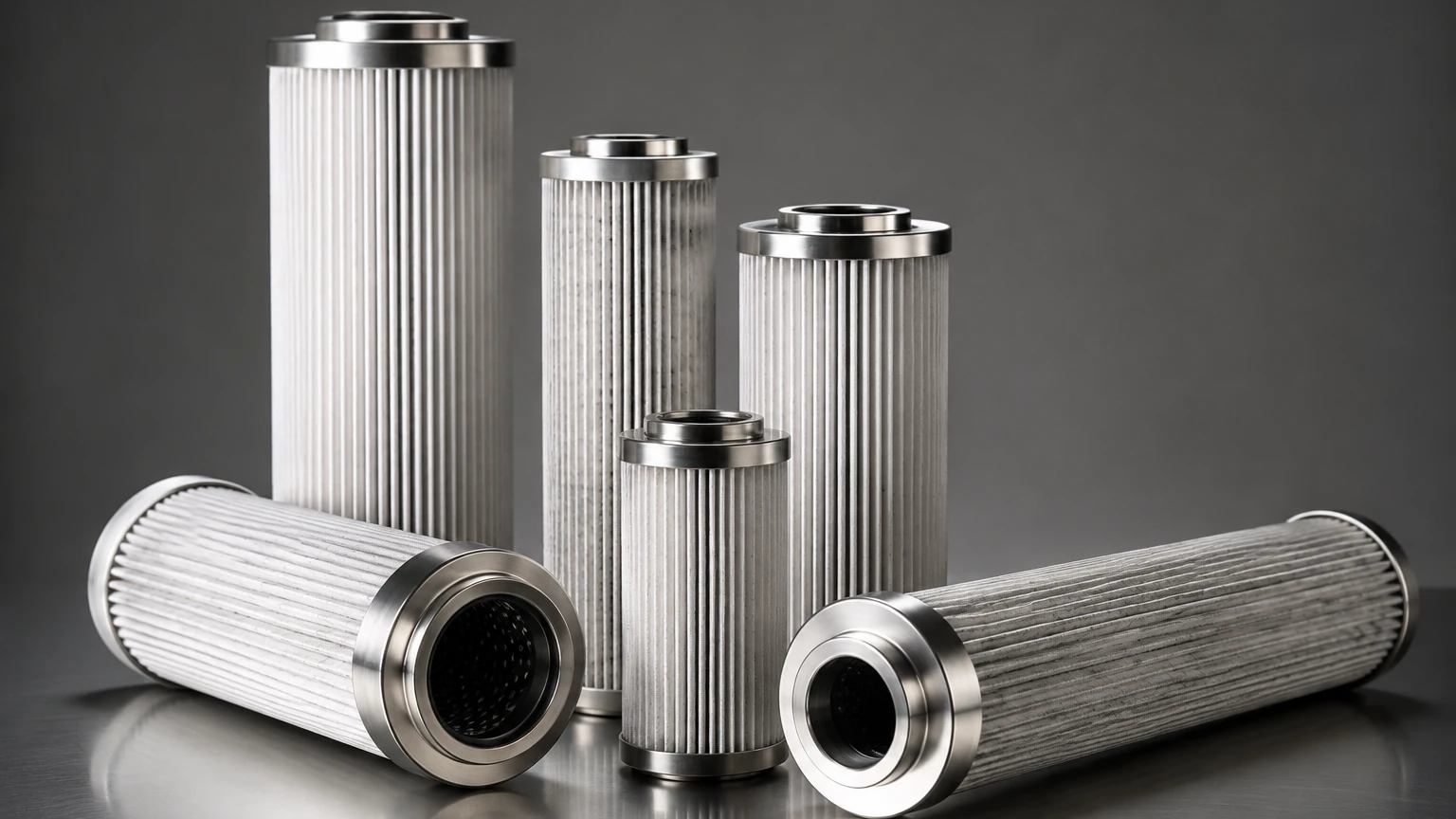
A cartridge dust filter is designed to capture airborne contaminants from industrial gas streams. Unlike bag filters, which often rely on a dust cake for efficiency, cartridge filters typically utilize pleated media to maximize the filtration surface area. This design allows for higher airflow rates in a smaller housing, making them ideal for facilities with space constraints.
Surface vs. Depth Filtration
Most industrial cartridge filters operate on the principle of surface filtration. The particulates are trapped on the outer layer of the media, which facilitates easier cleaning through pulse-jet mechanisms. In specialized applications where fine metal powders or abrasive dust are present, the choice of media—ranging from cellulose and polyester to stainless steel wire mesh—determines the filter's ability to release the dust cake and maintain a low differential pressure.
The Role of Pleat Geometry
The efficiency of a cartridge dust filter is heavily dependent on pleat spacing and depth. If pleats are too tight, "bridging" occurs, where dust becomes trapped deep within the folds and cannot be dislodged by cleaning pulses. Engineering a filter with optimized pleat geometry ensures that the entire surface area is utilized, preventing premature clogging and extending the interval between replacement cycles.
Material Selection for Demanding Industrial Environments
While many standard dust collectors use synthetic or paper-based media, demanding industrial processes often require the durability of metal components. Kaifil specializes in stainless steel filter cartridges and wire mesh components that withstand conditions where traditional materials fail.
Stainless Steel Wire Mesh
In applications involving high temperatures, corrosive vapors, or the need for frequent chemical cleaning, stainless steel is the material of choice. A cartridge dust filter constructed with a stainless steel core and mesh media offers several advantages:
* Thermal Stability: Maintains structural integrity in temperatures exceeding 250°C (480°F), where polyester or cellulose would degrade.
* Chemical Resistance: Essential for chemical processing and pharmaceutical applications where the air stream may contain acidic or alkaline particulates.
* Mechanical Strength: Resists collapsing under high differential pressure, ensuring consistent performance during heavy dust loading.
Specialized Coatings and Treatments
For non-metallic media, treatments such as PTFE (Teflon) membranes or antistatic coatings are often applied to enhance dust release and prevent static discharge in explosive environments (ATEX zones). However, for permanent installations requiring high precision and cleanability, customized metal filtration components provide a more robust long-term solution.
Engineering Parameters for Filter Selection
Selecting a cartridge dust filter is not a one-size-fits-all process. Engineers must evaluate several technical parameters to ensure the filter matches the specific requirements of the dust collector and the nature of the dust being handled.
Air-to-Cloth Ratio
The air-to-cloth (A/C) ratio, or filtration velocity, is the volume of air passing through a square foot of filter media per minute. For a cartridge dust filter, a lower A/C ratio generally leads to higher efficiency and longer filter life. If the velocity is too high, particulates may be driven deep into the media, leading to permanent blinding. Typical ratios for cartridge filters range from 0.5:1 to 2:1, depending on the dust type and concentration.
Micron Rating and Efficiency
Filtration efficiency is often measured by the Minimum Efficiency Reporting Value (MERV) or specific micron ratings. In industrial settings, it is vital to distinguish between nominal and absolute ratings. For critical processes, such as pharmaceutical powder recovery, a high-efficiency cartridge dust filter capable of capturing sub-micron particles is necessary to protect both personnel and the environment.
Pressure Drop (Delta P)
Pressure drop is the difference in static pressure between the upstream and downstream sides of the filter. Monitoring the pressure drop is the most effective way to determine the health of the filtration system. A sudden rise in Delta P indicates clogging, while a sudden drop may indicate a leak or a ruptured filter element.
Customization and OEM Solutions
Standard off-the-shelf filters often fall short in specialized industrial machinery. Customization allows for the optimization of the cartridge dust filter to meet exact housing dimensions, flange requirements, and filtration goals. As a professional manufacturer, Kaifil works closely with global customers to develop bespoke filtration components.
Tailored Structural Design
Customization options include varying the end cap styles (such as bolt-on, twist-lock, or flange mounts), reinforcing the inner core for high-vacuum applications, and selecting specific wire mesh weaves to target particular particle sizes. For engineers designing new equipment, integrating a custom-engineered filter ensures that the system operates at peak efficiency from day one.
OEM Capabilities
For manufacturers of industrial dust collectors, sourcing reliable OEM components is critical for brand reputation. Kaifil provides dependable OEM filtration solutions, ensuring that every cartridge dust filter meets the precise specifications required for the parent equipment. This includes rigorous quality control and material traceability, which are essential in industries like food and beverage or aerospace.
To explore specific product options and technical support for your filtration projects, you can review the details on our Main Page.
Maintenance and Operational Efficiency
The total cost of ownership (TCO) for a filtration system is heavily influenced by how the filters are maintained. A well-designed cartridge dust filter should be compatible with the system's cleaning mechanism to ensure a long service life.
Pulse-Jet Cleaning Systems
Most modern dust collectors use a pulse-jet cleaning system, which sends a burst of compressed air down the center of the cartridge. This momentarily expands the media and knocks the dust cake into a hopper. The effectiveness of this process depends on the rigidity of the filter's support structure and the release characteristics of the media. Stainless steel mesh filters are particularly effective here, as they do not flex excessively, allowing the energy of the pulse to be directed entirely at the dust layer.
Replacement Cycles
While the initial cost of a high-quality stainless steel or specialized cartridge may be higher than disposable alternatives, the extended replacement cycle often results in significant savings. Factors that influence replacement frequency include:
1. Dust Loading: The concentration of dust in the incoming air.
2. Cleaning Frequency: How often the pulse-jet system is activated.
3. Operating Temperature: Constant exposure to high heat can embrittle standard media.
4. Moisture Levels: Humidity can cause dust to "clump," making it difficult to remove via pulsing.
Addressing Common Engineering Challenges
When implementing a cartridge dust filter, engineers often face challenges related to moisture, oil, and fine particulate management.
Dealing with Hygroscopic Dust
Dust that absorbs moisture can become sticky, leading to a condition known as "mudding" on the filter surface. In these instances, a cartridge dust filter with a specialized hydrophobic coating or a smooth stainless steel surface is required to prevent the media from becoming permanently blocked.
Preventing Static Build-up
In industries handling combustible dust, such as wood processing or metal grinding, static electricity poses a significant fire and explosion risk. Utilizing filters with conductive fibers or grounded stainless steel components is a standard safety protocol to dissipate static charges safely.
Conclusion: Selecting the Right Filtration Partner
Choosing the right cartridge dust filter involves a balance of material science, mechanical engineering, and operational practicalities. By focusing on high-quality materials and precise manufacturing standards, industrial facilities can achieve superior air clarity, protect their equipment, and reduce long-term operational costs.
Kaifil remains committed to providing the industrial sector with durable, high-performance filtration components. From material selection and filtration accuracy to customized designs, our engineering team supports the development of solutions that meet the most demanding environmental and process requirements. For detailed technical specifications and to discuss your custom filtration needs, visit the Main Page to learn more about our capabilities and product range.
