


Chemical Transport Tanks
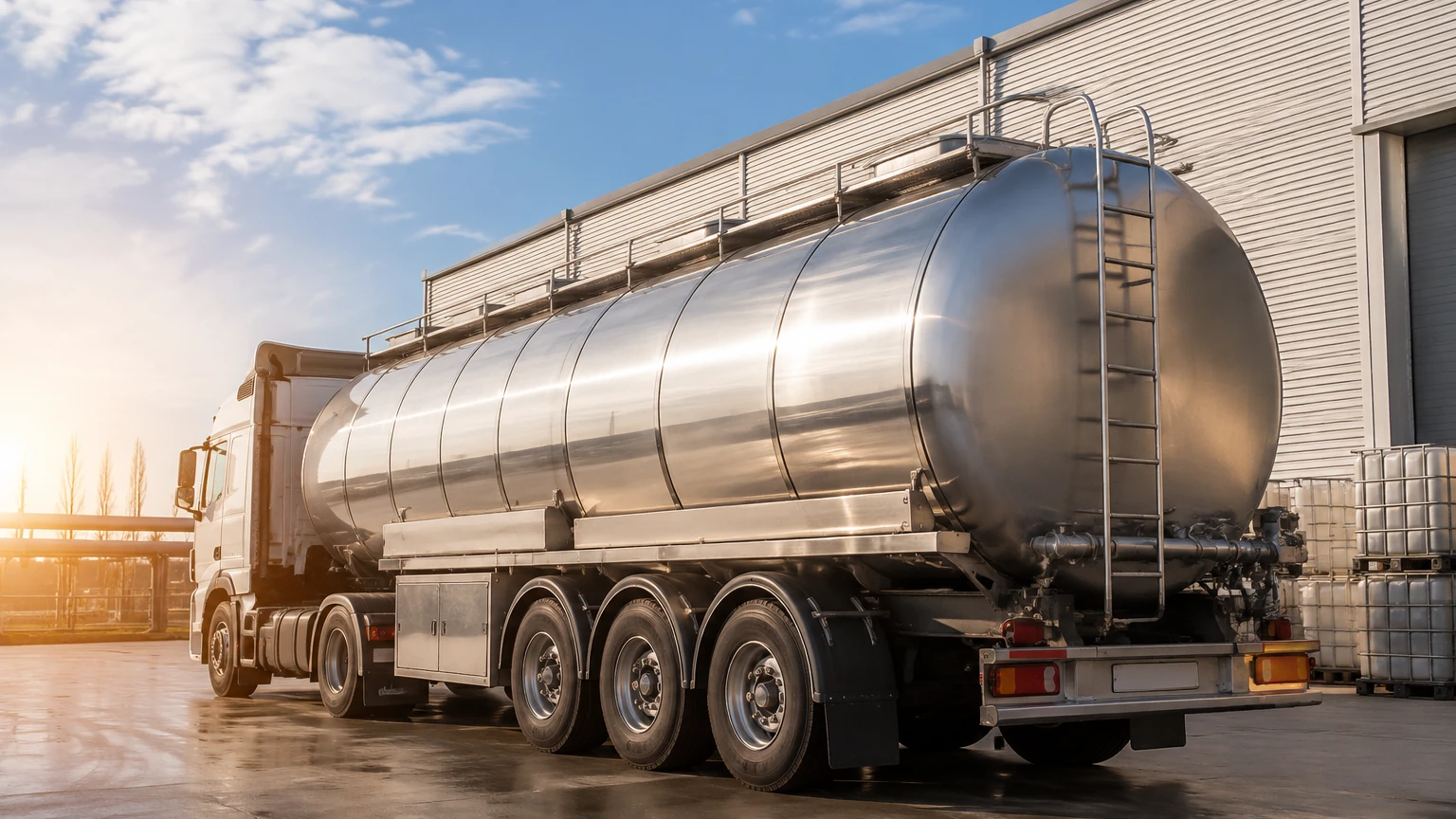
In the global industrial landscape, the safe and efficient movement of hazardous, corrosive, and high-purity fluids relies heavily on the engineering integrity of chemical transport tanks. These specialized vessels are designed to withstand the physical stresses of transit while maintaining the chemical stability of their contents. For engineers and procurement professionals, selecting the right tank configuration involves more than just volume considerations; it requires a deep understanding of material compatibility, pressure management, and, crucially, the filtration systems that prevent contamination during loading, unloading, and venting.
As industrial processes become more refined, the tolerance for impurities in chemical feedstocks has decreased. This shift has placed a greater emphasis on the auxiliary components of chemical transport tanks, such as stainless steel wire mesh filters and precision-engineered breathers. These components ensure that the chemical integrity is preserved from the point of manufacture to the point of use.
The Critical Role of Chemical Transport Tanks in Industrial Logistics
Chemical transport tanks serve as the primary link in the supply chain for industries ranging from petrochemicals and pharmaceuticals to food processing and water treatment. Unlike standard liquid storage, these tanks must be engineered to handle a wide variety of aggressive media under fluctuating environmental conditions.
Whether transported via road, rail, or sea, these tanks are subject to dynamic loads, temperature variations, and potential atmospheric exposure. The design must account for the specific gravity of the chemical, its vapor pressure, and its corrosive nature. For instance, transporting high-purity acids requires a different internal finish and filtration standard than transporting industrial-grade solvents. The goal is always to minimize the risk of environmental leaks and product degradation.
Material Selection and Structural Engineering
The foundation of any reliable chemical transport tank is its material of construction. Stainless steel, particularly grades 304 and 316L, remains the industry standard due to its excellent strength-to-weight ratio and inherent resistance to a broad spectrum of chemicals.
Grade 304 vs. 316L Stainless Steel
For many non-corrosive or mildly acidic chemicals, Grade 304 provides sufficient protection. However, in environments where chlorides are present or when transporting highly corrosive substances like sulfuric acid or pharmaceutical-grade precursors, 316L is preferred. The addition of molybdenum in 316L enhances its resistance to pitting and crevice corrosion, which is vital for the long-term structural integrity of the tank.
Surface Finish and Passivation
The internal surface of the tank must be smooth to prevent chemical entrapment and facilitate thorough cleaning between batches. Electropolishing or mechanical polishing to specific Ra (Roughness average) values is often required. Furthermore, passivation—a process that removes free iron from the surface and enhances the protective oxide layer—is a standard requirement to ensure the tank does not react with its cargo.
Integrating Filtration Solutions in Chemical Transport Systems
Filtration is a critical but often overlooked aspect of chemical transport tank design. Contaminants can enter the system at several points: during the initial filling, through the venting system during transit, or during the final discharge. To mitigate these risks, engineers integrate several types of filtration components.
1. Inlet and Outlet Filters: These are typically stainless steel wire mesh filters or cartridges designed to capture particulate matter before it enters the tank or before it reaches the downstream process equipment.
2. Breather and Vent Filters: As a tank is emptied or filled, air must enter or exit to equalize pressure. Without proper filtration at the vent, atmospheric dust, moisture, and microbes can contaminate the chemical. High-precision metal mesh breathers are used here to provide a barrier while allowing for necessary airflow.
3. Pump Protection: Many chemical transport tanks are equipped with onboard pumping systems. Installing a robust suction strainer or filter cartridge protects the pump from debris that could cause mechanical failure or decrease efficiency.
Technical Requirements for Stainless Steel Filter Components
When specifying filtration components for chemical transport tanks, engineers must evaluate several technical parameters to ensure performance and longevity.
Micron Ratings and Filtration Efficiency
The micron rating determines the size of particles the filter can effectively remove. In chemical transport, this can range from coarse straining (100+ microns) to fine filtration (under 5 microns) for high-purity reagents. It is essential to balance the required filtration fineness with the allowable pressure drop; a filter that is too fine may clog quickly, leading to slow unloading times and increased operational costs.
Pressure Drop and Flow Rates
Every filter introduces a degree of resistance to flow, known as pressure drop (ΔP). In the context of chemical transport tanks, maintaining a high flow rate is essential for operational efficiency. Stainless steel wire mesh is often favored because it provides a high open area, which minimizes pressure drop while maintaining precise particle retention. Engineers must calculate the maximum allowable ΔP at the highest expected flow rate to ensure the system operates within its design limits.
Mechanical Durability
Unlike stationary filtration systems, components in transport tanks must withstand vibration and mechanical shock. Sintered wire mesh or reinforced filter cartridges are often used because they offer superior structural integrity compared to non-metallic alternatives. These components do not shed fibers and are resistant to the "fatigue" caused by repeated pressure cycles.
Operational Challenges: Contamination and Pressure Management
One of the primary challenges in operating chemical transport tanks is managing the "breathing" process. As temperatures rise during the day, the liquid and vapor inside the tank expand, increasing internal pressure. Conversely, cooling at night creates a vacuum.
If the venting system is not equipped with high-quality filtration, the vacuum can pull in ambient contaminants. For hygroscopic chemicals (those that absorb moisture from the air), this can lead to a rapid loss of product quality. In these cases, specialized filter housings containing desiccant or hydrophobic stainless steel mesh are employed to ensure that only clean, dry air enters the tank.
Furthermore, during the unloading process, the introduction of "padding gas" (such as nitrogen) is common to prevent oxidation. The filtration systems must be compatible with these gases and capable of operating at the required flow rates to prevent tank collapse or over-pressurization.
Customization for Specialized Chemical Applications
Standard off-the-shelf filtration components rarely meet the specific needs of every chemical transport application. Customization is often necessary to address unique challenges such as high viscosity, extreme pH levels, or specific spatial constraints within the tank’s piping layout.
OEM manufacturers like Kaifil specialize in developing bespoke filtration solutions. This includes custom-sized filter cartridges, specialized flange connections, and multi-layered sintered mesh structures designed for specific chemical compatibilities. By working closely with tank manufacturers, filtration experts can design components that fit perfectly into the existing infrastructure while providing the exact filtration performance required by the end-user.
Maintenance Protocols and Filter Replacement Cycles
To ensure the continued safety and efficiency of chemical transport tanks, a rigorous maintenance schedule is required. Filtration components should be inspected after every trip or at predetermined intervals based on the volume of material processed.
* Cleaning: One of the major advantages of stainless steel filters is their cleanability. Unlike disposable filters, stainless steel mesh can be cleaned using ultrasonic baths, chemical solvents, or backwashing, depending on the nature of the contaminant. This significantly reduces the total cost of ownership and environmental impact.
* Integrity Testing: For critical applications, filters should undergo integrity testing (such as bubble point testing) to ensure that the mesh has not been damaged or bypassed.
* Seal Inspection: The gaskets and seals used in filter housings are often the first points of failure. These must be checked for signs of chemical degradation or compression set and replaced with compatible materials like PTFE or Viton as needed.
Evaluating Total Cost of Ownership (TCO)
When procuring components for chemical transport tanks, the initial purchase price is only one part of the equation. Engineers must consider the Total Cost of Ownership, which includes:
* Service Life: How long will the filter last before it requires replacement? Stainless steel components typically offer a much longer service life than plastic or paper-based media.
* Operational Efficiency: Does the filter allow for fast loading and unloading? Slow cycle times can lead to increased labor costs and fleet underutilization.
* Cleaning and Maintenance: How easy is it to restore the filter to its original performance?
* Risk Mitigation: What is the cost of a contaminated batch? High-quality filtration acts as insurance against the massive financial and reputational losses associated with delivering sub-standard chemicals.
By investing in high-performance filtration components, fleet operators can reduce long-term costs and ensure compliance with increasingly stringent safety and quality regulations.
Conclusion
Chemical transport tanks are sophisticated engineering systems that require careful attention to detail at every stage of design and operation. From the selection of 316L stainless steel for the tank body to the specification of precision wire mesh for the venting and discharge systems, every component plays a vital role in ensuring the safe delivery of industrial chemicals. As the demand for higher purity and greater safety continues to grow, the role of advanced filtration solutions will only become more prominent.
For engineers looking to optimize their filtration performance and ensure the integrity of their chemical transport operations, it is essential to partner with manufacturers who understand the technical nuances of industrial filtration. To explore specialized filtration components and engineering support for your specific application, visit the Main Page to review product options and application support.
