


Concrete Plant Dust Collector
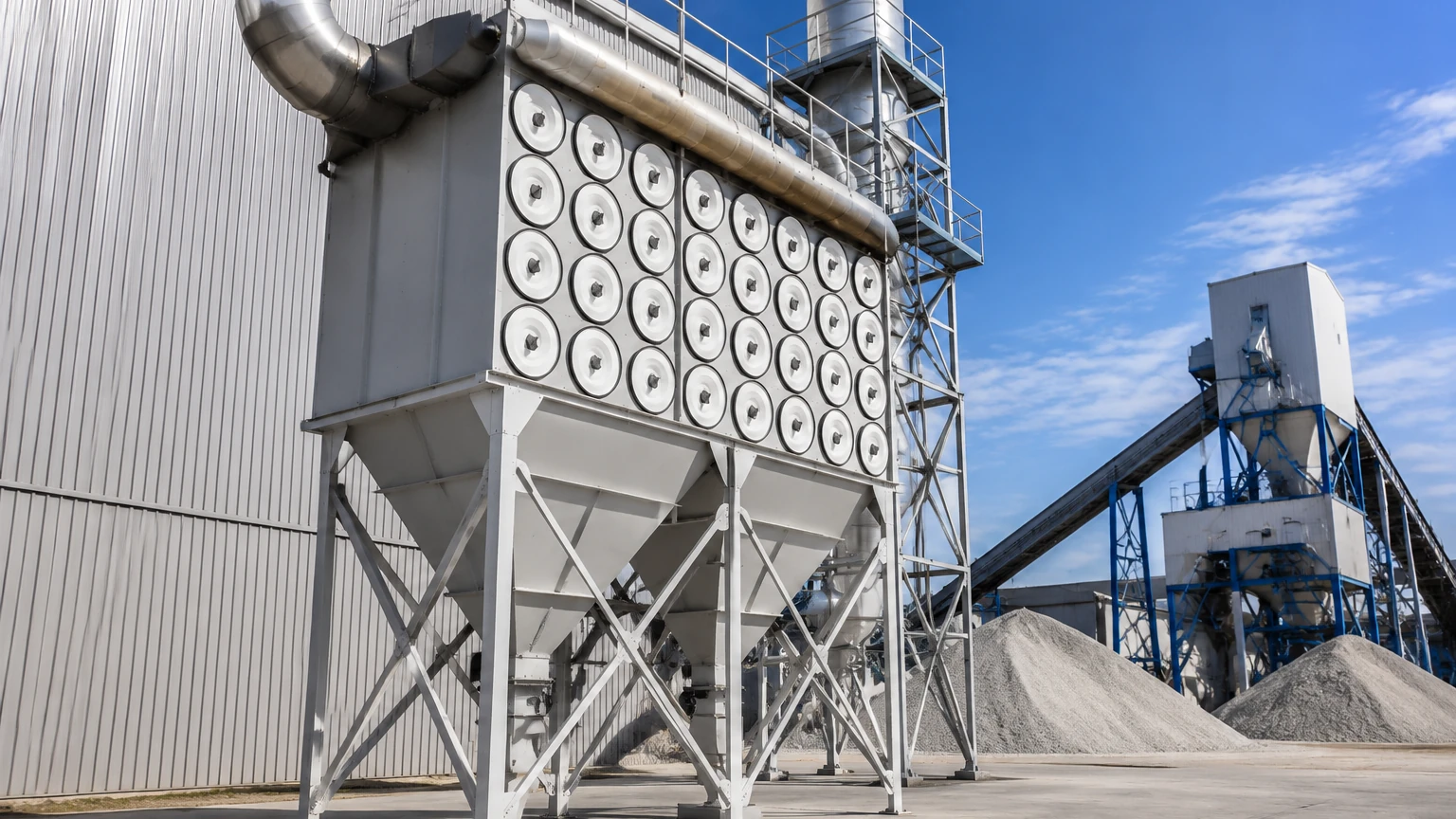
In the industrial production of concrete, dust control is not merely a matter of site cleanliness; it is a critical engineering requirement dictated by environmental regulations, worker safety protocols, and operational efficiency. A concrete plant dust collector is an essential system designed to capture airborne particulates—primarily cement, fly ash, and fine aggregate dust—generated during the loading, batching, and mixing processes. For engineers and plant managers, selecting the right filtration technology is a balance between filtration efficiency, structural durability, and long-term maintenance costs.
Industrial filtration in concrete batching plants often involves harsh environments where moisture, high-velocity abrasive particles, and fluctuating temperatures can degrade standard filter media. This is where the choice of filtration components, particularly those made from durable materials like stainless steel, becomes a decisive factor in system reliability. By understanding the technical nuances of these systems, procurement teams can move beyond commodity purchasing toward high-performance solutions that ensure compliance and minimize downtime.
The Role of Dust Collection in Concrete Batching Plants
Concrete production relies on the handling of bulk powders that are highly prone to becoming airborne. When cement or fly ash is pneumatically conveyed into storage silos, or when aggregates are dropped into weigh hoppers, the displaced air carries a heavy load of fine particulates. Without an effective concrete plant dust collector, these particles escape into the atmosphere, leading to several significant issues.
Environmental and Regulatory Compliance
Global environmental agencies, such as the EPA in the United States or equivalent bodies in Europe and Asia, enforce strict limits on particulate matter (PM) emissions. Concrete plants are often required to maintain emissions below specific milligrams per cubic meter (mg/m³). Failure to comply can result in heavy fines, operational shutdowns, or the denial of operating permits. High-efficiency filtration systems are the primary line of defense in meeting these standards.
Worker Health and Safety
Silica dust, a common component in concrete aggregates, is a known respiratory hazard. Long-term exposure can lead to silicosis, a debilitating lung disease. Furthermore, cement dust is caustic and can cause skin and eye irritation. A robust dust collection system ensures that these hazardous materials are contained at the source, protecting the workforce and reducing the need for extensive personal protective equipment (PPE) in all areas of the plant.
Material Recovery and Efficiency
From a purely economic standpoint, every kilogram of cement or fly ash that escapes as dust is a loss of raw material. Modern dust collectors are designed to return captured dust directly back into the storage silos or the batching process. Over a year of high-volume production, the value of recovered material can offset a significant portion of the dust collector’s operating costs.
Key Components of an Effective Dust Collector System
A concrete plant dust collector is a complex assembly of mechanical and pneumatic components. While the housing and fans provide the structure and airflow, the filtration media is the heart of the system. For engineers, evaluating these components is essential to ensure the system can handle the specific load of a concrete plant.
1. The Fan and Motor Assembly: This provides the negative pressure (suction) required to draw dust-laden air into the collector. In concrete plants, these fans must be sized correctly to overcome the static pressure of the filter media and the ductwork.
2. Filter Media (Cartridges or Bags): This is where the actual separation occurs. While traditional fabric bags are common, many modern plants utilize pleated cartridges to increase the available surface area within a smaller footprint. In demanding applications, stainless steel filter elements or reinforced mesh components are used to withstand mechanical stress.
3. Cleaning Mechanism: Most concrete plant collectors use a pulse-jet cleaning system. High-pressure compressed air is blasted down the center of the filter element, momentarily reversing the airflow and dislodging the accumulated "dust cake." The timing and pressure of these pulses are critical to maintaining a steady differential pressure.
4. Hopper and Discharge System: Once the dust is dislodged, it falls into a hopper. From there, it is usually moved by a screw conveyor or a rotary airlock back into the production cycle.
Material Selection: Why Stainless Steel Filtration Components Matter
In the context of industrial filtration, the materials used for filter supports, housings, and specialized mesh elements are as important as the filter media itself. In many concrete plant environments, moisture is a constant challenge. Whether from humidity, water used in the mixing process, or steam in precast operations, moisture can cause standard carbon steel components to rust and fabric filters to "blind" or clog.
Stainless steel filtration solutions offer several advantages in these settings. They provide superior corrosion resistance, ensuring that the structural integrity of the filter cartridge or the support cage remains intact over years of service. Furthermore, stainless steel components can be manufactured with high precision to support specific micron ratings, which is vital for capturing the extremely fine particles found in modern high-performance concrete additives.
For those looking to optimize their filtration hardware, it is often beneficial to consult a professional manufacturer. You can Review product options and application support to see how custom stainless steel components can be integrated into existing dust collection frameworks to improve durability and performance.
Engineering Considerations for Filter Selection
When specifying a concrete plant dust collector or replacement filters, engineers must look beyond the basic dimensions. Several technical parameters dictate how the system will perform under load.
Air-to-Cloth Ratio (A/C Ratio)
The A/C ratio represents the volume of air passing through a square foot of filter media per minute (expressed as CFM/ft²). In concrete plants, a lower A/C ratio is generally preferred to prevent particles from being driven too deeply into the media, which makes cleaning difficult. For cement dust, an A/C ratio between 3:1 and 5:1 is typical for pulse-jet systems.
Micron Rating and Efficiency
Cement particles typically range from 10 to 100 microns, but fly ash and silica fume can be much finer, often under 1 micron. The filtration media must be rated to capture these fine particulates effectively. High-efficiency filters often utilize a combination of surface filtration and depth filtration to ensure that even the smallest particles are trapped before the air is exhausted.
Pressure Drop (Differential Pressure)
Pressure drop is the difference in air pressure between the dirty side and the clean side of the filter. A rising pressure drop indicates that the filters are becoming loaded with dust. Engineering the system to operate within a specific pressure drop range (usually 2 to 6 inches of water column) is vital for energy efficiency. If the pressure drop is too high, the fan must work harder, increasing electricity consumption and potentially damaging the filter media.
Common Challenges and Performance Risks
Operating a concrete plant dust collector comes with several inherent challenges that can lead to system failure if not managed correctly.
* Moisture and Caking: If moisture enters the collector, the dry cement dust will hydrate and harden on the filter surface. This "blinding" is often irreversible and requires a full filter replacement. Proper insulation of the collector housing and the use of dry, oil-free compressed air for pulse cleaning are essential preventative measures.
* Abrasive Wear: The high velocity of aggregate dust can be highly abrasive. Over time, this can wear through ductwork and filter media. Using reinforced metal mesh or strategically placed baffles can help redirect airflow and protect sensitive components.
* Inadequate Pulse Cleaning: If the compressed air pressure is too low or the pulse duration is incorrect, the dust cake will not be fully removed. This leads to a steady increase in differential pressure and a decrease in suction at the source points (like the silo top or the mixer).
Maintenance and Replacement Strategies
A proactive maintenance schedule is the most effective way to ensure the longevity of a concrete plant dust collector. Relying on "run-to-fail" strategies often results in emergency shutdowns and environmental non-compliance.
Monitoring Differential Pressure
The most important diagnostic tool for a dust collector is the magnehelic gauge or a digital differential pressure sensor. By logging these readings daily, maintenance teams can identify trends. A sudden drop in pressure might indicate a torn filter, while a steady rise suggests the cleaning system is failing or the media is reaching the end of its life.
Visual Inspections and Leak Detection
Regularly inspecting the "clean air" side of the collector can reveal leaks. The presence of any dust in the clean air plenum is a sign that a filter has bypassed or failed. Fluorescent leak detection powders can be introduced into the system to pinpoint the exact location of leaks that are not visible to the naked eye.
Total Cost of Ownership (TCO)
When purchasing replacement filters or new systems, the initial price is only one part of the equation. Engineers should consider the TCO, which includes the cost of compressed air for cleaning, the frequency of filter replacements, and the labor required for maintenance. High-quality stainless steel cartridges or specialized wire mesh filters may have a higher upfront cost but often provide a significantly lower TCO due to their extended service life and better cleaning characteristics.
Customization and OEM Filtration Solutions
Every concrete plant is unique, with different layouts, material throughputs, and environmental conditions. Off-the-shelf dust collectors may not always provide the optimal solution. Custom-engineered filtration components allow for a more precise fit and better performance.
Manufacturers like Kaifil specialize in developing custom stainless steel filtration solutions that meet the exact needs of industrial applications. Whether it is a specific flange design for a silo vent filter or a reinforced mesh structure for a high-heat application, customization ensures that the filtration system is an asset rather than a bottleneck. By working closely with a manufacturer, engineering teams can specify materials and designs that are specifically hardened against the abrasive and caustic nature of concrete production.
In conclusion, the concrete plant dust collector is a vital piece of industrial equipment that requires careful engineering and high-quality components. By focusing on material durability, correct A/C ratios, and proactive maintenance, plant operators can ensure a clean, compliant, and efficient production environment.
