


Cross 10 Micron Hydraulic Filter
In industrial hydraulic systems, the precision of fluid cleanliness is the primary determinant of component longevity and operational reliability. When maintenance engineers seek to cross 10 micron hydraulic filter elements, the process involves far more than matching physical dimensions. It requires a comprehensive technical evaluation of filtration efficiency, material compatibility, and flow dynamics to ensure that the replacement component meets or exceeds the original equipment manufacturer (OEM) specifications. As a specialized manufacturer of stainless steel filtration solutions, Kaifil emphasizes that a successful cross-reference must account for the specific environmental and mechanical demands of the hydraulic circuit.
Understanding the Technical Specifications of 10-Micron Filtration
The term "10 micron" is frequently used in procurement, yet its meaning can vary significantly depending on whether the rating is nominal or absolute. For engineers looking to cross 10 micron hydraulic filter components, understanding the Beta ratio ($β$) is essential. A nominal 10-micron filter may only capture 50% of particles at that size, whereas an absolute-rated filter, typically defined by a Beta ratio of β10 ≥ 200 (99.5% efficiency) or β10 ≥ 1000 (99.9% efficiency), provides a much higher level of protection for sensitive components like servo valves and high-pressure piston pumps.
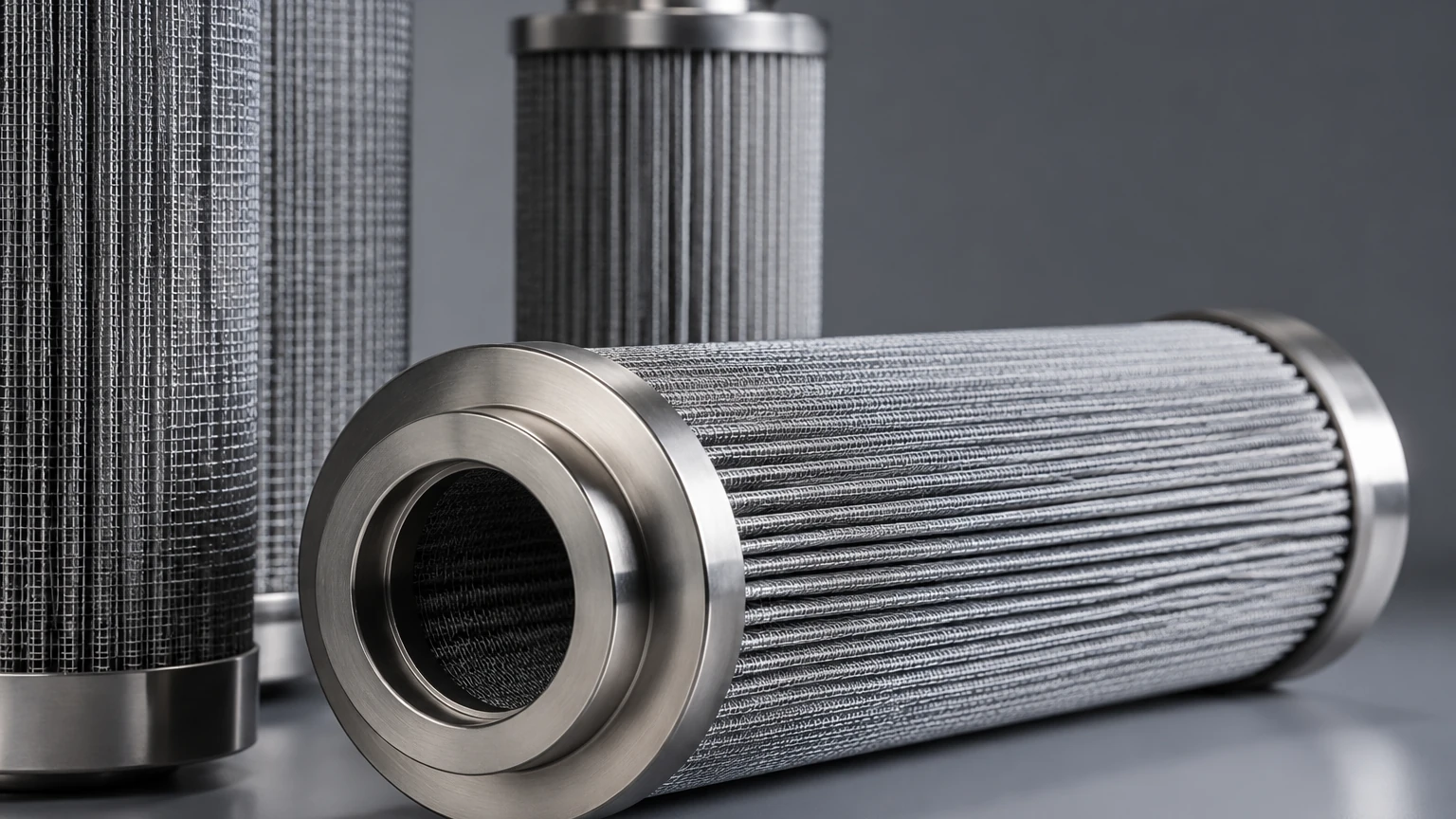
When evaluating a cross-reference, the filtration media plays a decisive role. Traditional hydraulic filters often utilize cellulose or glass fiber media. However, in demanding industrial environments—such as chemical processing or high-temperature hydraulic systems—stainless steel wire mesh or sintered metal fiber media offer distinct advantages. These materials provide high structural integrity and are resistant to chemical degradation, ensuring that the 10-micron pore size remains consistent even under fluctuating pressure conditions. For those exploring advanced filtration options, visiting the Main Page of a specialized manufacturer can provide insights into how custom metal media can be engineered to match specific micron requirements.
Critical Engineering Parameters for Crossing Hydraulic Filters
To successfully cross 10 micron hydraulic filter elements, several engineering parameters must be verified to prevent system failure or premature wear. Matching the thread size and O-ring dimensions is the baseline, but the following technical factors are equally critical:
1. Flow Rate and Pressure Drop (ΔP)
Every filter element creates a restriction in the fluid path. The clean pressure drop (ΔP) must be calculated based on the fluid's viscosity and the system's maximum flow rate. If a replacement filter has a higher flow resistance than the original, it may trigger the bypass valve prematurely, allowing unfiltered oil to circulate through the system. Conversely, a filter with too little resistance might indicate a lower filtration efficiency than required.
2. Bypass Valve Settings
Most hydraulic filter housings include a bypass valve designed to open when the filter becomes clogged, protecting the housing from bursting. When you cross 10 micron hydraulic filter elements, you must ensure the replacement element's collapse pressure rating is significantly higher than the housing's bypass valve setting. If the element collapses before the bypass opens, catastrophic downstream contamination will occur.
3. Dirt Holding Capacity (DHC)
The dirt holding capacity determines the service life of the filter. A cross-referenced filter with less surface area or inferior media depth will clog faster, leading to increased maintenance frequency and higher total cost of ownership. High-quality stainless steel wire mesh filters often provide a superior balance between filtration surface area and cleanability, which is a vital consideration for long-term industrial operations.
Material Compatibility and Structural Integrity in Custom Filters
Hydraulic fluids are not universal. While standard mineral oils are common, many industrial applications utilize fire-resistant fluids (such as water-glycols or phosphate esters) or synthetic lubricants that can degrade standard rubber seals and adhesive bonds in low-quality filters. When seeking to cross 10 micron hydraulic filter elements for specialized applications, the compatibility of the end caps, center tube, and seals must be confirmed.
Stainless steel 304 or 316L is the preferred material for the filter structure in corrosive or high-temperature environments. Unlike carbon steel components, stainless steel does not contribute to particulate contamination through oxidation. Furthermore, the construction method—whether the media is pleated or wrapped—affects the filter's ability to withstand hydraulic shocks and flow surges. Pleated designs increase the effective filtration area, which lowers the face velocity of the fluid through the media, thereby improving the capture efficiency of 10-micron particles.
Common Risks and Failure Modes in Improper Filter Substitution
Choosing a replacement filter based solely on price or a basic cross-reference table can lead to several failure modes that compromise the entire hydraulic system. Engineers should be aware of the following risks:
* Media Migration: Low-quality fiber media can shed its own fibers into the fluid stream, which then travel downstream to clog precision orifices. This is why metal mesh filters are often preferred in high-purity or high-vibration applications.
* Inaccurate Micron Ratings: Without standardized testing (such as ISO 16889 multi-pass testing), a filter labeled as "10 micron" may not perform as expected. This discrepancy can lead to the gradual erosion of pump impellers and valve seats.
* Seal Failure: If the O-ring material (e.g., Buna-N vs. Viton) is not matched to the fluid type and operating temperature, the seal may swell or brittle, leading to internal leakage (bypassing the filter) or external leaks.
To mitigate these risks, it is advisable to work with a manufacturer that provides detailed technical data sheets and material certifications. For more information on the manufacturing standards for precision filtration components, you can refer to the Main Page for technical specifications on custom stainless steel cartridges.
Optimizing Maintenance Cycles and Total Cost of Ownership
While the initial purchase price of a filter is a visible cost, the total cost of ownership (TCO) includes the cost of replacement labor, disposal of used elements, and the potential cost of system downtime. When you cross 10 micron hydraulic filter elements, consider the benefits of cleanable versus disposable media.
In many B2B industrial sectors, such as chemical processing or water treatment, stainless steel filter cartridges offer a sustainable alternative to disposable glass fiber elements. These metal filters can be cleaned via ultrasonic baths or backwashing, significantly extending their service life. Although the upfront cost is higher, the reduction in waste and the consistency of the 10-micron filtration performance often result in lower long-term expenditures.
Furthermore, implementing differential pressure monitoring is essential for optimizing the replacement cycle. Instead of changing filters on a fixed calendar schedule, sensors can indicate exactly when the 10-micron element has reached its dirt-holding limit. This data-driven approach ensures that the system is always protected without wasting useful filter life.
Conclusion: Making an Informed Selection
Crossing a 10 micron hydraulic filter is a technical task that requires a deep understanding of the hydraulic circuit's requirements. By focusing on the Beta ratio, pressure drop, material compatibility, and structural integrity, procurement and engineering teams can select replacement elements that maintain system health.
Kaifil specializes in the production of custom stainless steel filtration solutions designed to meet the rigorous demands of industrial applications. Whether you require a standard replacement or a bespoke filter design for a unique hydraulic challenge, our engineering team provides the expertise needed to ensure optimal performance. For a comprehensive look at our capabilities and to discuss your specific filtration needs, please visit our Main Page to review product options and application support. Ensuring the right fit for your 10-micron filtration needs is the first step toward a more reliable and efficient industrial operation.
