


Definition of Casing
In the context of industrial filtration and fluid processing, the definition of casing refers to the external, pressure-retaining enclosure that houses a filter element or internal component. Often used interchangeably with the terms "housing" or "vessel," the casing serves as the primary structural barrier between the process fluid and the external environment. For engineers and procurement specialists, understanding the technical nuances of casing design is critical to ensuring system safety, operational efficiency, and long-term durability in demanding industrial environments.
While a casing may appear to be a simple container, it is a precision-engineered component designed to manage specific flow rates, withstand internal pressures, and resist chemical degradation. At Kaifil, the engineering of stainless steel filtration casings involves rigorous material selection and adherence to international pressure vessel standards to meet the needs of sectors ranging from chemical processing to food and beverage production.
The Engineering Definition of Casing in Filtration Systems
In a filtration assembly, the definition of casing extends beyond a mere protective shell. It is a functional component that facilitates the transition of fluid from the piping system into the filter media. The casing must provide a leak-proof environment where the fluid is forced through a wire mesh or sintered metal element, ensuring that contaminants are captured according to the specified micron rating.
Technically, the casing is defined by several key parameters:
1. Pressure Containment: The casing must be rated for the maximum allowable working pressure (MAWP) of the system, accounting for potential pressure spikes or surges.
2. Flow Directionality: The internal geometry of the casing determines how the fluid enters (inlet) and exits (outlet) the system, influencing the overall pressure drop (Delta P).
3. Sealing Interface: The casing provides the seating surface for gaskets or O-rings, which prevent the bypass of unfiltered fluid and ensure environmental containment.
4. Support Structure: It often includes mounting legs, brackets, or flanges that integrate the filtration unit into the larger process skid or facility infrastructure.
Structural Components and Design Considerations
To fully grasp the definition of casing, one must examine the individual components that constitute a high-performance industrial housing. A standard industrial filter casing typically consists of a head (or cover), a body (or shell), and various connection ports.
The Shell and Head
The shell is the cylindrical portion of the casing that contains the filter cartridge or basket. In high-pressure applications, the thickness of the shell wall is calculated based on the tensile strength of the material and the intended operating pressure. The head is the removable portion of the casing, allowing for the inspection and replacement of filter elements. Depending on the application, the head may be secured using V-retainer clamps, swing bolts, or threaded closures.
Inlet and Outlet Configurations
Ports are engineered to match the piping requirements of the facility. Common configurations include NPT (National Pipe Thread), BSP (British Standard Pipe), or flanged connections (ANSI/ASME or DIN). The orientation of these ports—whether in-line, T-style, or L-style—is a critical factor in the definition of casing design, as it dictates the ease of installation and the footprint of the equipment.
Internal Support and Centering
For multi-round casings, which house several filter cartridges simultaneously, internal tube sheets and centering posts are required. These components ensure that each filter element is properly seated and that the fluid is distributed evenly across all media surfaces, preventing localized clogging and extending the service life of the filters.
Material Selection: The Role of Stainless Steel
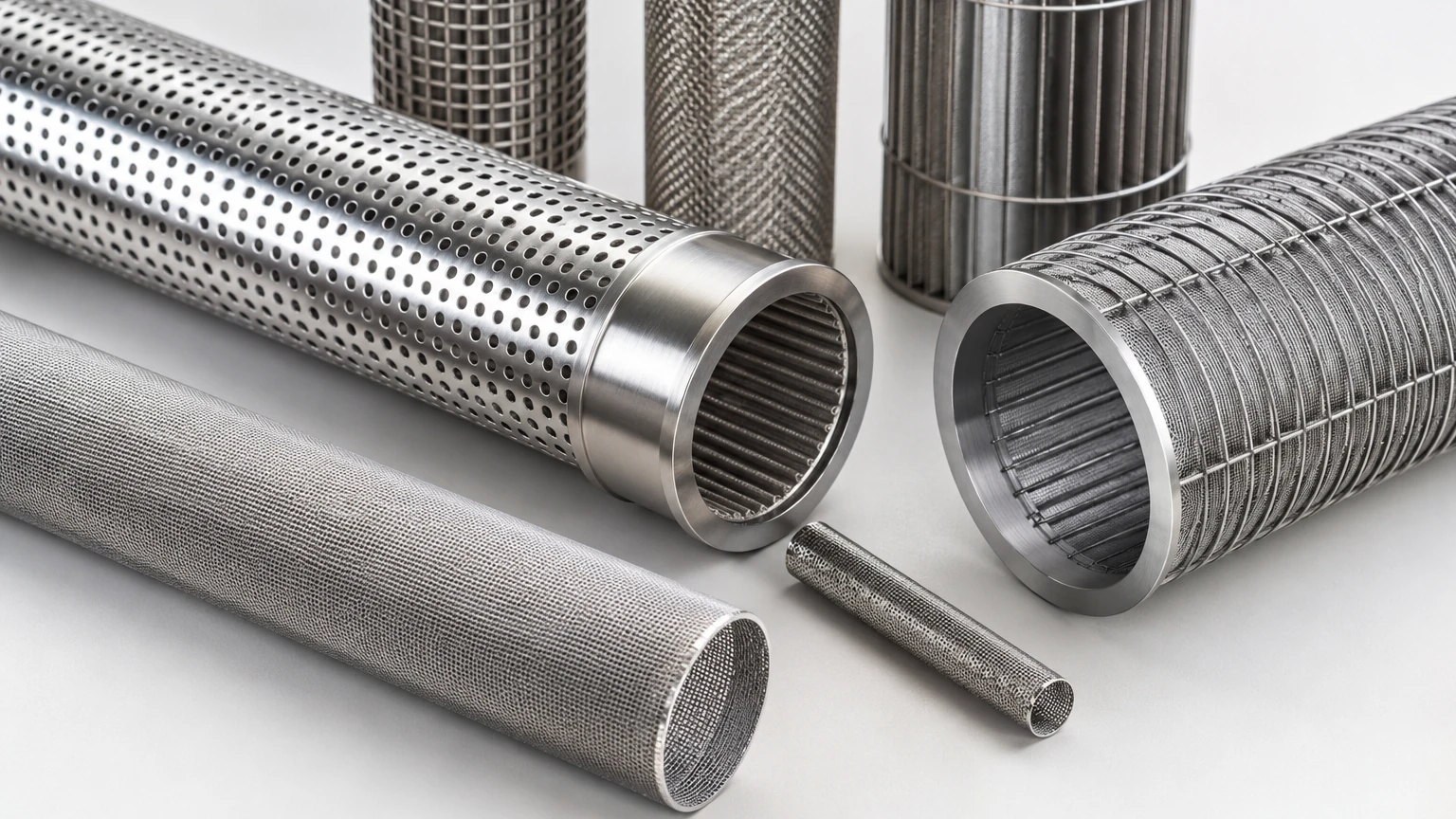
In industrial filtration, the definition of casing is inseparable from the materials used in its construction. Because these systems often handle corrosive chemicals, high-temperature steam, or sensitive food products, stainless steel is the industry standard. Kaifil specializes in the fabrication of casings from various grades of stainless steel to meet specific environmental challenges.
* Type 304 Stainless Steel: This is the most common grade for general industrial use. It offers excellent strength and good corrosion resistance for water treatment and non-acidic chemical applications.
* Type 316/316L Stainless Steel: For more aggressive environments, 316L (low carbon) is preferred. The addition of molybdenum enhances resistance to pitting and crevice corrosion, particularly in chloride-rich environments. 316L is also the standard for pharmaceutical and food-grade casings due to its superior finish and cleanability.
* Exotic Alloys: In extreme cases involving high concentrations of sulfuric acid or high-temperature brines, casings may be constructed from Hastelloy or Monel. While more expensive, these materials prevent catastrophic failure in specialized chemical processing plants.
Regulatory Standards and Safety Compliance
A comprehensive definition of casing must include the regulatory frameworks that govern its manufacture. Because a filter casing is a pressure vessel, it must comply with specific engineering codes to ensure operator safety.
ASME Boiler and Pressure Vessel Code (BPVC)
In North America and many international markets, the ASME Section VIII code is the benchmark for pressure vessel design. A casing that carries an ASME "U" or "UM" stamp has undergone rigorous design review, material traceability audits, and hydrostatic testing. This ensures that the casing can safely operate at its rated pressure and temperature without the risk of rupture.
PED (Pressure Equipment Directive)
For equipment destined for the European Economic Area, compliance with the Pressure Equipment Directive (2014/68/EU) is mandatory. This directive categorizes casings based on their volume, pressure, and the hazard level of the fluid being processed, ensuring a high level of safety and environmental protection.
Sanitary Standards (3-A and FDA)
In the food, beverage, and pharmaceutical industries, the definition of casing involves strict hygienic requirements. Sanitary casings must feature smooth internal surfaces (often measured by Ra, or roughness average) to prevent bacterial growth. Electropolishing is frequently used to achieve a mirror-like finish, and the casing design must eliminate "dead legs"—areas where fluid can stagnate and contaminate the process.
Performance Evaluation Criteria
When selecting or specifying a casing, engineers must evaluate several performance metrics that go beyond the basic definition of casing. These factors directly impact the total cost of ownership and the efficiency of the filtration process.
Pressure Drop (Delta P)
The internal geometry of the casing contributes to the initial pressure drop of the system. A well-designed casing minimizes turbulence and restrictive flow paths. High initial Delta P reduces the available pressure for the rest of the process and increases energy consumption by requiring higher pump output.
Ease of Maintenance
The time required to change a filter element is a significant operational cost. Casings equipped with quick-opening closures, such as swing bolts or davit arms for heavy lids, allow for faster maintenance cycles. Furthermore, the inclusion of drain and vent ports is essential for safely depressurizing and emptying the casing before service.
Seal Integrity
The choice of sealing material—Buna-N, EPDM, Viton, or PTFE—must be compatible with the process fluid and temperature. A failure in the casing seal can lead to hazardous leaks or the bypass of contaminants, rendering the entire filtration system ineffective.
Customization and OEM Solutions
In many industrial scenarios, a standard off-the-shelf housing does not meet the specific spatial or functional requirements of the application. This is where the definition of casing shifts toward customized engineering. Customization options may include:
* Modified Dimensions: Adjusting the height or diameter of the casing to fit into tight skid spaces.
* Specialized Coatings: Applying PTFE linings or specialized epoxy coatings for enhanced chemical resistance.
* Integrated Instrumentation: Adding ports for pressure gauges, differential pressure sensors, or temperature probes directly into the casing body.
* Multi-Stage Filtration: Designing a single casing that houses different grades of filter media to achieve progressive filtration in a single pass.
Kaifil works closely with global partners to provide OEM solutions that align with these specific technical needs. By controlling the manufacturing process from material sourcing to final testing, we ensure that every casing meets the precise demands of the intended application.
Conclusion: Making Informed Purchasing Decisions
Understanding the technical definition of casing is the first step in optimizing an industrial filtration system. A casing is not just a container; it is a critical safety and performance component that must be matched to the fluid properties, pressure requirements, and regulatory standards of the industry. By prioritizing high-quality materials like stainless steel and adhering to established engineering codes, facilities can reduce downtime, prevent environmental hazards, and ensure the purity of their end products.
For engineers and procurement teams looking to implement reliable filtration solutions, evaluating the casing's design, material grade, and compliance status is essential. To explore our full range of custom stainless steel filtration components and technical specifications, please visit our Main Page. Whether you require a standard housing or a fully customized pressure vessel, selecting the right casing is fundamental to the success of your industrial process.
