


Depth Filter Sheets
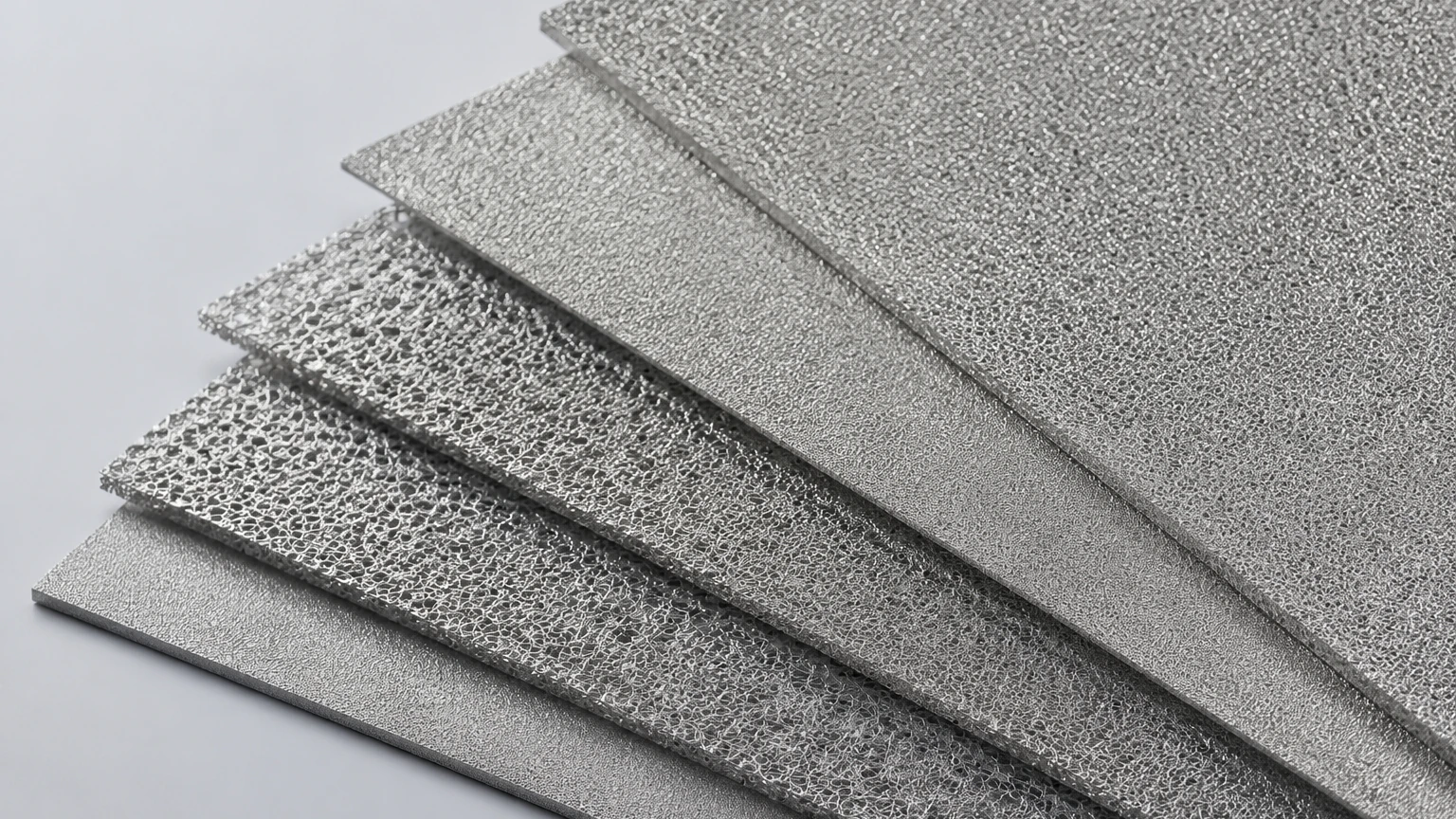
In the landscape of industrial liquid processing, achieving high levels of clarity and purity often requires moving beyond simple surface sieving. Depth filter sheets represent a critical technology for engineers tasked with removing a broad spectrum of contaminants, ranging from rigid particulates to deformable colloidal matter. Unlike surface filters, which trap particles on a single plane, depth filter sheets utilize a three-dimensional matrix to provide high dirt-holding capacity and exceptional retention efficiency.
For technical professionals and purchasing teams, understanding the nuances of depth filtration is essential for optimizing process yields and protecting downstream equipment. This guide examines the engineering principles, material compositions, and selection criteria for depth filter sheets within modern industrial workflows.
Understanding the Fundamentals of Depth Filtration
Depth filtration operates on the principle of a "tortuous path." As the process fluid passes through the thick matrix of the filter sheet, contaminants are trapped throughout the entire depth of the medium rather than just on the surface. This mechanism is governed by two primary physical actions:
1. Mechanical Sieving: Particles larger than the pores within the matrix are physically blocked. Because the internal structure of depth filter sheets is composed of a complex network of fibers and filter aids, the "pore size" is typically defined as a nominal rating. This allows for the capture of a wide range of particle sizes within a single sheet.
2. Adsorption (Electrokinetic Effect): Many depth filter sheets are engineered to carry a positive molecular charge, known as a high Zeta potential. Since many small contaminants, such as bacteria, endotoxins, and fine colloidal particles, are negatively charged, they are attracted to and held by the filter matrix through adsorption. This allows depth filter sheets to remove particles significantly smaller than the physical pore openings.
By combining these two mechanisms, depth filter sheets achieve a level of polished clarity that is often unattainable with standard wire mesh or single-layer membrane filters alone.
Material Composition and Structural Integrity
The performance of a depth filter sheet is a direct result of its material composition. Most industrial-grade sheets are manufactured using a combination of three primary components:
* Cellulose Fibers: These form the structural backbone of the filter sheet. Derived from high-purity wood or cotton pulps, cellulose provides the matrix that holds other filter aids in place. The length and refinement of the fibers determine the initial permeability and mechanical strength of the sheet.
* Inorganic Filter Aids: To enhance the tortuous path and increase surface area, materials such as Diatomaceous Earth (DE) or Perlite are embedded within the cellulose matrix. DE is particularly valued for its high porosity and intricate skeletal structure, which significantly improves the retention of fine particulates without rapidly blinding the filter.
* Wet-Strength Resins: Because depth filter sheets must maintain their integrity while saturated and under pressure, specialized resins are added. These resins cross-link the cellulose fibers, ensuring the sheet does not migrate or shed fibers into the filtrate, even during high-pressure differentials or sterilization cycles.
For applications requiring high chemical purity, such as pharmaceutical or fine chemical processing, low-extractable versions of these materials are utilized to ensure that no unwanted ions or organics leach into the process stream.
Key Performance Indicators for Engineering Selection
When evaluating depth filter sheets for a specific application, engineers must look beyond simple micron ratings. The following performance indicators are critical for determining the total cost of ownership and process efficiency:
Retention Efficiency and Nominal Ratings
Depth filter sheets are usually rated nominally. An engineer must confirm the specific retention efficiency (often expressed as a percentage) for the target contaminant. For example, a sheet rated at 1 micron may have a different efficiency profile for rigid sand particles versus soft yeast cells. Testing with the actual process fluid is often necessary to establish a baseline.
Dirt-Holding Capacity (DHC)
The DHC determines how much contaminant a sheet can hold before the differential pressure ($ΔP$) reaches its terminal limit. A higher DHC translates to longer filtration cycles and fewer change-outs, which reduces labor costs and downtime. This is particularly important in high-solids loading applications like wine clarification or resin filtration.
Flow Rate vs. Pressure Drop
Every filter medium imposes a resistance to flow. Engineers must balance the desired flux (liters per square meter per hour, or LMH) with the allowable initial pressure drop. Operating at a lower flux generally improves retention efficiency and extends the life of the sheet by reducing the velocity at which particles are forced through the matrix.
Industrial Applications and Process Integration
Depth filter sheets are versatile components used across various sectors where liquid clarity is paramount. Their ability to handle high particulate loads makes them ideal for both primary clarification and secondary polishing.
* Food and Beverage: In the production of beer, wine, and fruit juices, depth filter sheets are used to remove yeast, proteins, and haze-forming polyphenols. The adsorption capabilities are vital for achieving the brilliance required for consumer products.
* Pharmaceuticals and Biotechnology: These sheets serve as a critical step in cell broth clarification and the removal of lipids or precipitated proteins. They often act as a protective pre-filter for expensive sterilizing-grade membranes.
* Chemical and Resin Production: For industrial catalysts or polymer solutions, depth filter sheets provide a robust solution for removing fine catalysts or impurities that could foul downstream reactors.
In many of these applications, the filter sheets are housed in plate and frame filter presses or enclosed lenticular housing systems. These systems allow for a large filtration surface area within a relatively small footprint.
Operational Best Practices: Installation and Monitoring
To maximize the utility of depth filter sheets, strict operational protocols must be followed. Failure to properly manage the filtration cycle can lead to premature blinding or bypass.
1. Pre-flushing: Before starting the process, sheets should be flushed with water or a compatible buffer. This removes any loose fibers and stabilizes the matrix. In the food and beverage industry, this also helps eliminate any "papery" taste that might transfer from the cellulose.
2. Venting: Air trapped within the filter housing can cause channeling, where the fluid bypasses large portions of the filter media. Proper venting ensures the entire surface area of the sheet is utilized.
3. Differential Pressure Monitoring: The most reliable indicator of a filter’s status is the $ΔP$. Typically, a depth filter sheet is considered spent when the pressure drop reaches 2.0 to 2.5 bar, depending on the manufacturer's specifications and the structural limits of the housing.
4. Sterilization: If the process requires sterility, the sheets must be compatible with steam-in-place (SIP) or hot water sanitization. Engineers must verify that the wet-strength resins can withstand the thermal stress without degrading.
Comparing Depth Filter Sheets with Surface Filtration Media
It is important to distinguish when a depth filter sheet is preferable over a stainless steel wire mesh or a pleated surface cartridge. Surface filters, such as those found on the Main Page of specialized manufacturers, are excellent for high-temperature applications, backwashing, and removing rigid, uniform particles. They offer absolute ratings and can be cleaned and reused multiple times.
In contrast, depth filter sheets are generally disposable and are superior at handling:
* Deformable Particles: Slimes, gels, and fats that would quickly coat and blind a surface mesh can be trapped within the depth of a sheet.
* Wide Particle Size Distribution: When a fluid contains everything from large debris to sub-micron haze, the depth matrix provides a more efficient "all-in-one" removal solution.
* Low-Concentration Fine Solids: For polishing applications where the goal is extreme clarity rather than bulk solids removal, the adsorption properties of depth sheets are unmatched.
For many industrial systems, the optimal solution is a hybrid approach: using a durable stainless steel mesh as a coarse pre-filter to remove large debris, followed by a depth filter sheet for fine polishing.
Customization and Technical Support for Specialized Filtration
No two filtration challenges are identical. Factors such as fluid viscosity, pH, temperature, and specific gravity all influence how a depth filter sheet performs. When sourcing filtration components, engineers should collaborate with manufacturers who understand the interplay between the filter media and the hardware.
Kaifil specializes in providing the precision-engineered components required to house and support these filtration processes. Whether you are designing a new system or optimizing an existing line, selecting the right combination of filter media and high-quality stainless steel housings is vital for operational success. By focusing on durability and precise performance, Kaifil supports demanding industrial environments with reliable filtration solutions.
Before finalizing a purchase, technical teams should confirm the chemical compatibility of the filter sheet components with their process fluid and determine the required sterilization protocols. Evaluating the total cost of ownership—including the frequency of change-outs, the cost of downtime, and the protection of downstream assets—will lead to a more sustainable and cost-effective filtration strategy. For more information on integrated filtration solutions and custom components, you can review product options and application support on our Main Page.
