


Drilling Casing
In industrial well construction, whether for oil and gas extraction, geothermal energy, or large-scale water treatment, the integrity of the wellbore is paramount. Drilling casing serves as the primary structural component, providing a permanent barrier that ensures borehole stability, prevents environmental contamination, and facilitates the efficient flow of fluids. For engineers and procurement specialists, selecting the appropriate drilling casing involves a complex evaluation of geological pressures, chemical environments, and filtration requirements.
As a critical element of the well infrastructure, the casing string must withstand extreme mechanical stresses while maintaining long-term resistance to corrosion. This guide examines the technical specifications, functional roles, and engineering considerations essential for optimizing drilling casing performance in demanding industrial applications.
The Fundamentals of Drilling Casing in Industrial Well Construction
Drilling casing is a series of steel pipes that are inserted into a recently drilled section of a borehole. Once in place, the gap between the casing and the surrounding rock is typically filled with cement. This process, known as "casing and cementing," transforms the temporary borehole into a stable, permanent well.
From an engineering perspective, drilling casing serves several vital functions:
1. Borehole Stabilization: It prevents the surrounding formation from collapsing into the wellbore, which is particularly critical in unconsolidated or high-pressure zones.
2. Zonal Isolation: By sealing off different geological layers, casing prevents the cross-flow of fluids between formations, such as protecting freshwater aquifers from contamination by hydrocarbons or brine.
3. Pressure Control: It provides a secure environment for high-pressure drilling fluids and serves as the foundation for the installation of blowout preventers (BOPs) and wellhead equipment.
4. Equipment Housing: The casing provides a smooth, protected internal diameter for the installation of production tubing, pumps, and specialized filtration components like sand control screens.
Functional Classifications of Casing Strings
A typical well is not constructed with a single string of pipe. Instead, it utilizes a telescopic design consisting of several casing strings, each serving a specific purpose based on the depth and the geological challenges encountered.
Conductor Casing
This is the first and largest diameter string installed. Usually ranging from 16 to 30 inches in diameter, the conductor casing prevents the topsoil and surface sands from washing out during the initial stages of drilling. It also supports the weight of subsequent casing strings.
Surface Casing
The primary role of surface casing is to protect freshwater zones. It is set deep enough to bypass all known aquifers and is cemented back to the surface. In many jurisdictions, the depth and quality of surface casing are strictly regulated to ensure environmental safety.
Intermediate Casing
Intermediate strings are used in deeper wells to isolate problematic formations. These may include zones with abnormally high pressures, lost circulation zones, or unstable salt formations. By installing intermediate casing, engineers can transition to different drilling fluid weights without damaging the upper sections of the well.
Production Casing
Also known as the "oil string" or "long string," this is the final casing layer. It extends into the target reservoir and provides the structural conduit for the production of fluids. Because it is directly exposed to the reservoir environment, production casing requires the highest level of corrosion resistance and mechanical integrity.
The Role of Filtration and Sand Control in Casing Design
In many industrial applications, particularly in water wells and oil-bearing reservoirs, the drilling casing must interface with filtration systems to manage sand production. Uncontrolled sand inflow can lead to catastrophic equipment failure, including the erosion of valves, pumps, and the casing itself.
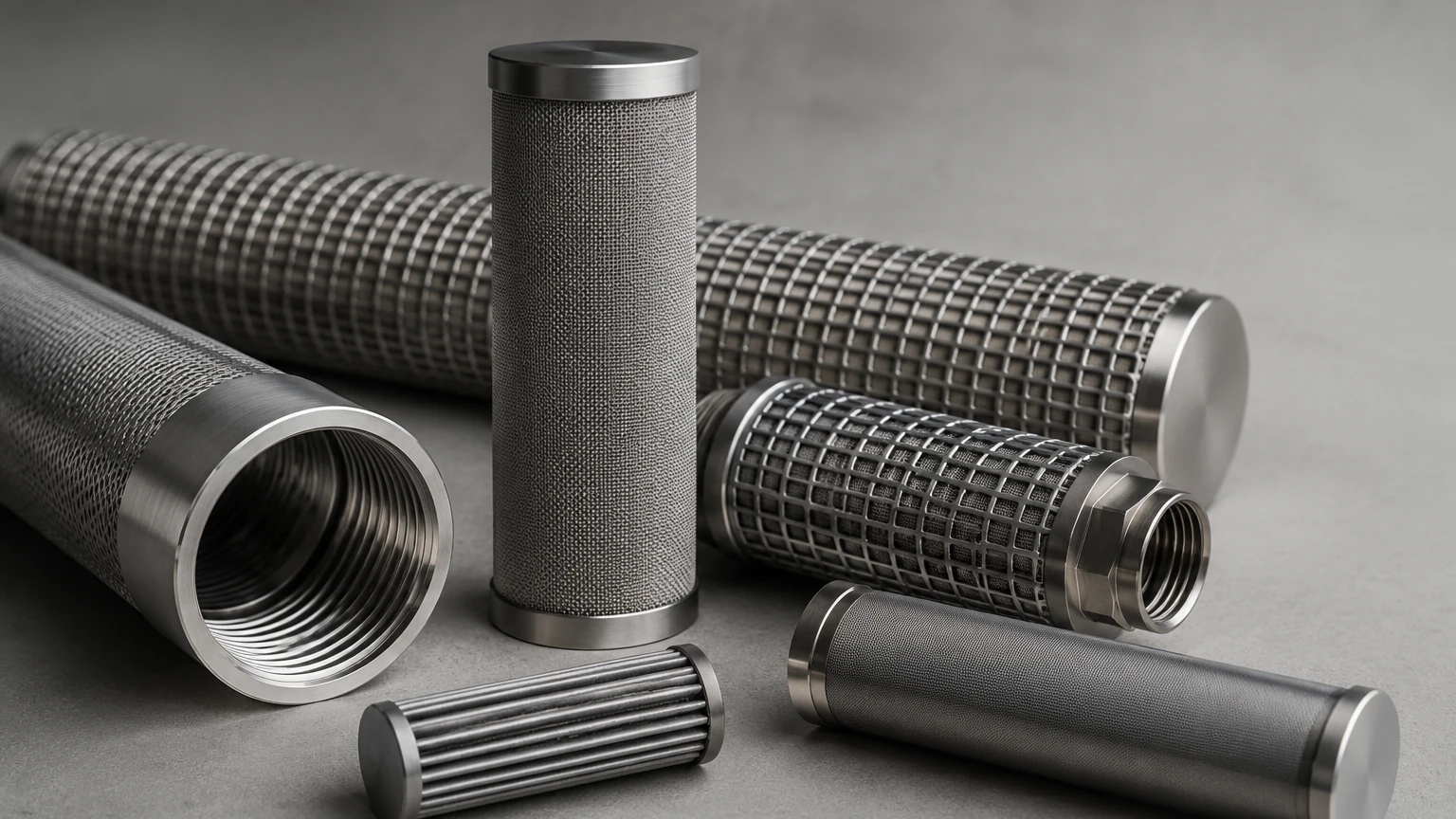
This is where precision-engineered filtration components become essential. Within the casing string, specialized sections such as slotted liners or wire-wrapped screens are deployed. These components utilize high-quality stainless steel wire mesh or precision-slotted metal to allow fluids to pass while blocking formation solids.
Key filtration considerations for casing include:
* Micron Rating: The aperture size must be meticulously calculated based on the grain size distribution of the formation. If the openings are too large, sand will bypass the filter; if they are too small, the filter will plug, reducing flow rates.
* Mechanical Strength: Filtration elements must withstand the same collapse and burst pressures as the solid casing, requiring advanced manufacturing techniques to ensure the integrity of the mesh-to-pipe bond.
* Flow Capacity: Engineers must balance filtration efficiency with the need for high flow rates to ensure the economic viability of the well.
For more information on specialized filtration components and their integration into industrial systems, you can review product options and application support on our Main Page.
Material Selection: Stainless Steel vs. Conventional Alloys
The choice of material for drilling casing is dictated by the chemical composition of the fluids and the temperature of the formation. While carbon steel is common for shallow, non-corrosive wells, demanding industrial environments often require stainless steel or high-alloy alternatives.
Carbon Steel
Standard API grades (such as J55, K55, or N80) are cost-effective and provide sufficient strength for many applications. However, they are highly susceptible to corrosion in the presence of CO2, H2S, or high-salinity brines.
Stainless Steel (304/316L)
For applications involving corrosive water or chemical processing, 304 or 316L stainless steel is often the preferred choice. These materials offer superior resistance to general corrosion and pitting. 316L, with its molybdenum content, is particularly effective in chloride-rich environments.
Duplex and Super Duplex
In high-temperature, high-pressure (HTHP) wells or those with high concentrations of H2S (sour service), duplex stainless steels provide a combination of high yield strength and exceptional resistance to stress corrosion cracking (SCC).
Engineering Considerations: Mechanical Strength and Environmental Stress
When specifying drilling casing, engineers must calculate the anticipated loads to prevent mechanical failure. There are three primary forces that every casing string must be designed to withstand:
1. Collapse Pressure: This is the external pressure exerted by the formation and the fluids outside the casing. If the external pressure exceeds the yield strength of the pipe, the casing will implode. This is a critical risk during well-evacuation or cementing operations.
2. Burst Pressure: This is the internal pressure exerted by the wellbore fluids. If the internal pressure is significantly higher than the external pressure, the casing may rupture. This is particularly relevant during pressure testing or well-control incidents.
3. Tensile Strength: The casing must support its own weight as it is suspended in the hole before cementing. In deep wells, the tensile load on the top joints can be immense, requiring high-strength connections and materials.
Beyond these mechanical loads, the impact of Total Cost of Ownership (TCO) must be considered. While stainless steel or customized filtration components may have a higher upfront cost, their durability reduces the frequency of workovers and prevents premature well abandonment, leading to lower long-term operational expenses.
Customization and OEM Solutions for Specialized Casing Components
Industrial projects often encounter unique geological or chemical challenges that cannot be addressed by off-the-shelf casing products. Customization is frequently required for filtration components, specialized connectors, and precision-machined casing accessories.
OEM (Original Equipment Manufacturer) capabilities allow for the development of bespoke filtration solutions, such as:
* Custom Mesh Sintering: Combining multiple layers of stainless steel wire mesh to create a filter medium that offers both high permeability and extreme mechanical robustness.
* Precision Perforation: Tailoring the hole patterns and sizes in casing liners to match specific flow requirements.
* Material Optimization: Selecting specific alloy grades that match the unique corrosive profile of a particular site.
Working with a manufacturer that understands the nuances of metal filtration and industrial engineering ensures that the casing components are not only fit for purpose but optimized for the specific lifecycle of the well.
Procurement and Technical Evaluation for Industrial Projects
For purchasing teams, the procurement of drilling casing and its associated filtration components requires a rigorous technical evaluation. To ensure project success, the following steps are recommended:
* Verify Compliance: Ensure all materials meet relevant standards, such as API 5CT for casing or ISO standards for filtration performance.
* Material Traceability: Require Mill Test Reports (MTRs) to verify the chemical and mechanical properties of the steel.
* Quality Control (QC): Confirm that the manufacturer employs non-destructive testing (NDT) methods, such as ultrasonic or X-ray inspection, to verify weld integrity and wall thickness.
* Technical Consultation: Engage with engineering teams early in the design phase to determine the optimal filtration accuracy and material selection, preventing costly over-specification or under-performance.
Conclusion
Drilling casing is more than just a pipe; it is a sophisticated engineering system that maintains the structural and environmental integrity of industrial wells. By understanding the functional requirements of different casing strings, the critical role of sand control filtration, and the importance of material science, engineers can design wells that are both efficient and durable.
For industrial operators looking to optimize their filtration performance and wellbore stability, choosing the right components is the first step toward long-term success. To explore professional filtration solutions and customized metal components, visit the Main Page for comprehensive technical resources and product guidance.
