


Dust Collection Booth
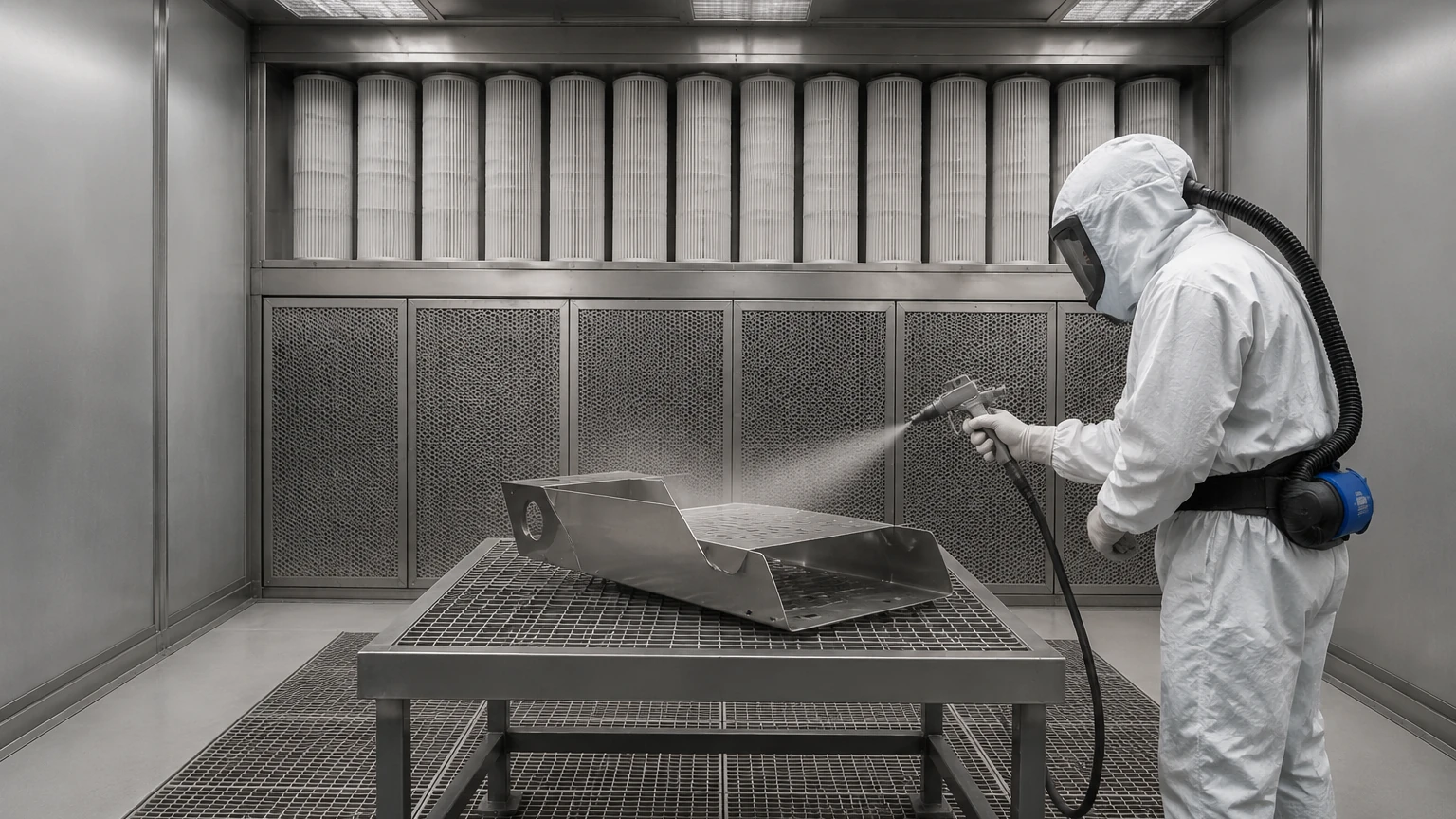
In industrial manufacturing, managing airborne particulates is a critical requirement for both operational safety and product quality. A dust collection booth serves as a localized containment environment designed to capture fine dust, fumes, and vapors at the source before they can migrate into the wider facility. Unlike centralized dust collection systems that rely on extensive ductwork, these booths provide a self-contained workspace where processes such as grinding, sanding, powder mixing, and welding can be performed with high-efficiency air filtration.
For engineers and facility managers, selecting the right dust collection booth involves more than just choosing a physical enclosure. The core of the system’s performance lies in its filtration technology, airflow dynamics, and the durability of its components. Understanding the technical nuances of filter media, pressure differentials, and material compatibility is essential for ensuring long-term compliance with environmental and occupational health standards.
Understanding the Role of Filtration in Dust Collection Booths
The primary function of a dust collection booth is to create a controlled airflow pattern that draws contaminated air away from the operator's breathing zone and into a filtration bank. The efficiency of this process is heavily dependent on the type of filters utilized. In many high-demand industrial settings, standard fabric or paper filters are insufficient due to chemical exposure, high temperatures, or the abrasive nature of the dust.
This is where specialized filtration components, such as those found on the Kaifil Main Page, become vital. Precision-engineered stainless steel filter cartridges and wire mesh components offer a level of durability and chemical resistance that polymer-based media cannot match. In applications involving corrosive chemicals or food-grade processing, the choice of filter material directly impacts the booth's uptime and the total cost of ownership.
Engineering Airflow and Particle Capture Dynamics
A well-designed dust collection booth must maintain a specific face velocity—the speed of air moving across the opening of the booth—to ensure that particles do not escape. Typically, a face velocity of 100 to 150 feet per minute (FPM) is required for light dust, while heavier particulates may require higher speeds.
Cross-Draft vs. Down-Draft Configurations
There are two primary airflow configurations used in these booths:
1. Cross-Draft: Air is drawn horizontally across the workspace into a filter bank located at the rear of the booth. This is common for standing operations where the dust source is directly in front of the operator.
2. Down-Draft: Air is pulled downward through a perforated floor or workbench. This configuration is highly effective for heavy particles that naturally settle or for processes where the operator needs to work over a large component.
Regardless of the configuration, the filtration system must be sized to handle the volume of air (measured in Cubic Feet per Minute, or CFM) required to maintain these velocities. If the filter media offers too much resistance (high initial pressure drop), the blower motor will consume more energy, and airflow will drop prematurely as the filters load with dust.
Selecting Filter Media for Industrial Booth Environments
The choice of filter media is the most significant factor in determining the performance of a dust collection booth. Engineers must evaluate the particle size distribution, the moisture content of the air, and the potential for static discharge.
Stainless Steel and Metal Mesh Filters
In environments involving high temperatures or heavy-duty industrial cleaning, stainless steel wire mesh filters are often preferred. These filters provide several technical advantages:
* Thermal Stability: Unlike synthetic fibers, metal mesh can operate in high-temperature exhaust streams without degrading.
* Cleanability: Stainless steel cartridges can often be cleaned and reused, reducing the waste stream associated with disposable filters.
* Structural Integrity: Metal filters resist collapsing under high vacuum pressures, ensuring consistent airflow even as the dust cake builds up.
Filtration Efficiency and Micron Ratings
For fine dust, such as that produced in pharmaceutical mixing or precision metal grinding, filters must achieve high efficiency at the sub-micron level. It is common to use a multi-stage filtration approach: a pre-filter (often a metal mesh or coarse synthetic) to capture large debris, followed by a primary high-efficiency cartridge filter. This staged approach protects the more expensive primary filters from premature loading.
Technical Considerations for High-Performance Dust Extraction
When specifying a dust collection booth for a specific industrial application, several engineering variables must be confirmed to ensure the system remains functional and safe.
Pressure Drop Monitoring
The "pressure drop" refers to the resistance the air faces as it passes through the filter media. A new filter has a low initial pressure drop, which increases as it captures dust. Most professional booths are equipped with a photohelic gauge or a differential pressure sensor. Monitoring these levels allows operators to know exactly when a filter needs cleaning or replacement, preventing the system from operating at sub-optimal airflow levels.
Pulse-Jet Cleaning Systems
To extend the life of the filters, many booths incorporate an automated pulse-jet cleaning system. This mechanism uses a burst of compressed air injected into the center of the filter cartridge to dislodge the accumulated dust cake, which then falls into a collection hopper. The effectiveness of this system depends on the rigidity of the filter media; if the media flexes too much, the pulse energy is dissipated. Rigid stainless steel or reinforced pleated cartridges are ideal for maximizing the efficiency of pulse-cleaning cycles.
Material Compatibility and Safety
If the dust being collected is combustible (such as aluminum, wood, or certain organic powders), the booth must be designed to mitigate explosion risks. This includes the use of explosion-proof motors, anti-static filter media, and sometimes explosion venting. In these scenarios, the conductivity of the filter media is a critical specification to prevent the buildup of static electricity.
Maintenance and Operational Efficiency of Filtration Systems
The total cost of ownership for a dust collection booth is largely determined by maintenance requirements. A system that requires frequent filter changes or manual cleaning will result in significant downtime and high consumable costs.
Replacement Cycles
While disposable filters have a lower upfront cost, they often require replacement every few months in high-volume applications. In contrast, custom-engineered metal filtration components may have a higher initial price point but can last for years with proper maintenance. Engineers should calculate the "break-even" point by considering the cost of replacement filters, the labor required for changes, and the cost of production downtime.
Integrity Testing
In regulated industries like food processing or pharmaceuticals, the integrity of the filtration system must be verified periodically. This often involves leak testing or monitoring the downstream air quality to ensure that no particulates are bypassing the filter seals. Using precision-manufactured filter housings and cartridges with high-quality gaskets is essential for maintaining a leak-free environment.
Customization and Integration for Specialized Applications
No two industrial processes are identical, which is why customization is a hallmark of effective dust collection solutions. A standard off-the-shelf booth may not fit the physical footprint of a facility or meet the specific chemical resistance requirements of a specialized process.
Tailored Filtration Solutions
Customization options often include:
* Specific Alloy Selection: Using 304 or 316L stainless steel for filters used in corrosive or high-humidity environments.
* Variable Micron Ratings: Engineering the mesh density to target specific particle sizes while optimizing airflow.
* Modular Designs: Allowing the booth to be expanded or reconfigured as production needs change.
By working with a manufacturer that understands the complexities of metal filtration, such as the capabilities highlighted on the Kaifil Main Page, companies can ensure their dust collection booth is optimized for their specific particulate type and volume.
Conclusion: Making an Informed Procurement Decision
Investing in a dust collection booth is a strategic decision that affects worker health, environmental compliance, and operational efficiency. To make the best choice, engineering teams should move beyond surface-level specifications and focus on the technical performance of the filtration system.
Before finalizing a purchase, it is recommended to confirm the following:
1. Dust Characteristics: What is the particle size, density, and moisture content?
2. Required Airflow: Does the system provide sufficient face velocity for the specific task?
3. Filter Durability: Is the filter media compatible with the chemicals or temperatures present in the process?
4. Maintenance Requirements: What is the expected lifespan of the filters, and how easily can they be cleaned or replaced?
By prioritizing high-quality, durable filtration components and well-engineered airflow dynamics, manufacturers can create a safer, cleaner, and more productive working environment. For those seeking specialized filtration components to integrate into their dust management systems, exploring technical options for custom metal filters is an essential step in the process.
