


Filter Automatic
In the landscape of industrial fluid processing, the transition from manual batch filtration to continuous, automated systems represents a significant shift toward operational efficiency and process stability. A "filter automatic" system—commonly referred to as a self-cleaning or automated filtration unit—is designed to remove suspended solids from liquids without requiring frequent operator intervention or process downtime. For engineers and procurement specialists, understanding the technical nuances of these systems is essential for optimizing throughput, protecting downstream equipment, and reducing the total cost of ownership.
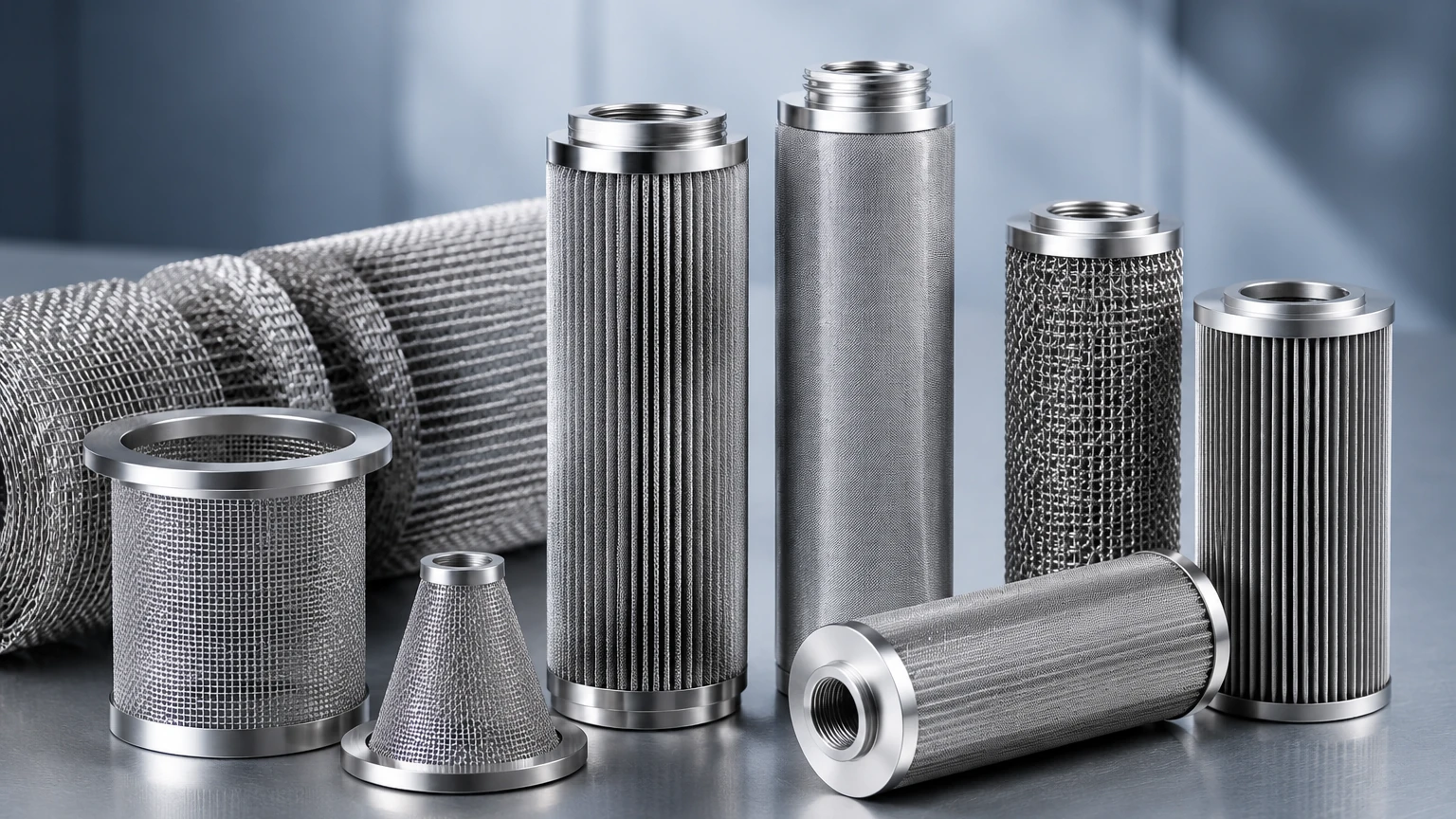
Industrial filtration demands high reliability, especially in sectors like chemical processing, water treatment, and food production. The core of any automated filtration system is the filter medium, which must withstand repetitive cleaning cycles while maintaining precise micron ratings. Kaifil specializes in the manufacturing of the stainless steel wire mesh and precision metal components that serve as the functional heart of these automated solutions.
Engineering Principles of Automatic Filtration Mechanisms
To select the right filter automatic configuration, it is necessary to understand the mechanical principles that govern self-cleaning actions. Unlike manual bag or cartridge filters that must be replaced when saturated, automated systems utilize a cleaning trigger—usually based on differential pressure (DP) or a pre-set timer—to clear the accumulated debris from the filter surface.
Backwash Systems
Backwashing is a common method used in pressurized systems. When the sensors detect a specific pressure drop across the filter element, a valve manifold redirects a portion of the filtered fluid (or an external clean fluid) in the reverse direction. This high-velocity reverse flow dislodges particles trapped in the mesh pores, flushing them out through a dedicated drain or reject port. This mechanism is highly effective for depth-loading media and robust wire mesh structures.
Mechanical Scraper Systems
In applications involving high-viscosity fluids or sticky contaminants (such as oils, resins, or food syrups), mechanical scraping is often preferred. A motorized blade or brush travels across the interior or exterior surface of a cylindrical stainless steel filter element. This action physically removes the "filter cake" and pushes it toward a collection chamber at the bottom of the housing. Because this process does not require a reversal of flow, it is ideal for maintaining a constant downstream pressure.
Vacuum-Assisted Cleaning
For high-volume water applications, some automatic filters use a scanning suction nozzle. As the nozzle rotates and moves along the screen, it creates a localized low-pressure zone that sucks debris off the mesh. This method minimizes the amount of flush water required, making it an efficient choice for large-scale cooling towers or irrigation systems.
The Role of Stainless Steel Media in Automated Systems
The performance of a filter automatic system is largely dictated by the durability and precision of the filter medium. While plastic or fabric media may suffice for disposable applications, automated systems require the structural integrity of metal, specifically stainless steel (typically Grades 304 or 316L).
Stainless steel wire mesh offers several advantages for automated environments:
1. Mechanical Strength: During a backwash or scraping cycle, the filter element is subjected to localized pressure spikes and mechanical friction. Stainless steel mesh, often reinforced with a perforated support core, resists deformation and fatigue.
2. Surface Smoothness: For scraper-based systems, the smoothness of the mesh surface is critical. Precision-woven Dutch weaves or wedge wire screens provide a flat profile that allows the scraper to remove solids cleanly without damaging the wires.
3. Chemical and Thermal Resistance: Automated filters are frequently used in aggressive environments, such as hot oil filtration or acidic chemical processing. Stainless steel maintains its pore geometry and structural integrity at temperatures and pH levels that would destroy synthetic media.
4. Cleanability: The non-stick properties of electropolished stainless steel ensure that particles are easily released during the cleaning cycle, preventing "blinding" (permanent clogging) over time.
Evaluating Performance Metrics for Engineers
When specifying a filter automatic system, engineers must look beyond simple flow rates. Detailed performance metrics ensure the system can handle the specific solids loading of the application.
Differential Pressure (DP) Thresholds
The DP is the difference in pressure between the inlet and outlet of the filter. An automated system is typically programmed to initiate a cleaning cycle when the DP reaches a certain point (e.g., 0.5 to 1.0 bar). Engineers must ensure that the filter element is rated for a collapse pressure significantly higher than the maximum system pressure to prevent catastrophic failure if the cleaning mechanism fails.
Filtration Efficiency and Micron Ratings
It is vital to distinguish between nominal and absolute filtration ratings. In an automated system, the goal is often to protect sensitive downstream components like spray nozzles or heat exchangers. An absolute-rated stainless steel mesh ensures that 99.9% of particles above the specified micron size are captured, providing a reliable safety barrier.
Flux Rate and Surface Area
The flux rate (flow per unit of surface area) determines how quickly the filter will clog. For fluids with high solids concentrations, a larger surface area is required to extend the time between cleaning cycles. Overloading a small filter surface leads to "short-cycling," where the filter spends more time cleaning itself than it does in active filtration mode, leading to excessive wear and fluid loss.
Selection Criteria for Industrial Applications
Choosing a filter automatic solution requires a comprehensive analysis of the fluid properties and the operational environment. No single design fits every scenario.
* Chemical Compatibility: In pharmaceutical or chemical industries, the choice between 304, 316L, or even exotic alloys like Hastelloy is determined by the corrosivity of the fluid. 316L is generally preferred for its superior resistance to pitting and crevice corrosion in chloride-rich environments.
* Viscosity Considerations: High-viscosity fluids create a higher baseline pressure drop. Scraper-style filters are generally more effective for these fluids, as they do not rely on fluid velocity to clear the mesh.
* Particle Characteristics: Are the solids hard and abrasive, or soft and deformable? Abrasive particles require hardened mesh surfaces or specialized coatings to prevent premature wear during mechanical scraping.
* Sanitary Requirements: In the food and beverage industry, the filter must be designed without "dead zones" where bacteria can accumulate. This requires internal surfaces with high-quality finishes (Ra < 0.8 µm) and compatibility with Clean-in-Place (CIP) procedures.
Operational Considerations: Maintenance and Replacement Cycles
While the primary advantage of a filter automatic system is reduced labor, it is not a "fit and forget" solution. Proper maintenance is required to ensure the longevity of the precision components.
Monitoring Wear Components
In scraper systems, the blades or brushes are sacrificial components that will wear down over time. Similarly, in backwash systems, the seals and valves must be inspected periodically. Engineers should establish a preventative maintenance schedule based on the number of cleaning cycles performed rather than just elapsed time.
Mesh Inspection and Replacement
Even the most durable stainless steel mesh has a finite lifespan. Fine wires can eventually succumb to metal fatigue or erosion. A gradual increase in the baseline differential pressure (the DP immediately after a cleaning cycle) usually indicates that the mesh is becoming permanently fouled or blinded. When this baseline DP reaches a critical level, the filter element should be replaced to restore system efficiency.
Total Cost of Ownership (TCO)
When evaluating the cost of an automated filter, the initial capital expenditure (CAPEX) is only one part of the equation. The TCO includes the cost of compressed air or electricity to run the cleaning mechanism, the volume of fluid lost during backwashing, and the cost of replacement elements. In most high-volume industrial settings, the reduction in labor and the elimination of disposable cartridge costs result in a return on investment (ROI) within 12 to 24 months.
Customization and OEM Integration
Many industrial processes have unique constraints regarding space, flow patterns, or connection types. Standard off-the-shelf filters may not always meet these requirements. This is where custom manufacturing becomes essential.
Kaifil provides extensive OEM capabilities, allowing engineers to specify custom dimensions, flange types, and filtration grades for their automated systems. Whether you need a specific diameter for a scraper-style element or a multi-layered sintered mesh for high-pressure backwashing, customized filtration components ensure that the filter automatic system integrates seamlessly into the existing process architecture.
Working with a manufacturer that understands the interplay between mesh geometry and mechanical stress allows for the development of more robust filtration solutions. Customization also extends to the selection of support structures, such as perforated metal cores or outer shrouds, which provide the necessary rigidity for demanding industrial environments.
Conclusion
Implementing a filter automatic system is a strategic decision that enhances process reliability and operational safety. By automating the removal of contaminants, facilities can maintain consistent product quality and protect expensive downstream assets. However, the success of these systems depends on the quality of the internal filtration components. Selecting the right stainless steel wire mesh and ensuring it is engineered for the specific mechanical stresses of the cleaning cycle is the most critical step in the procurement process.
For technical professionals looking to optimize their filtration processes or develop new automated equipment, partnering with a specialist manufacturer is key. To explore high-performance stainless steel filtration components and discuss custom engineering requirements for your next project, visit the Kaifil Main Page to review product options and application support.
