


Filter Bag Cage
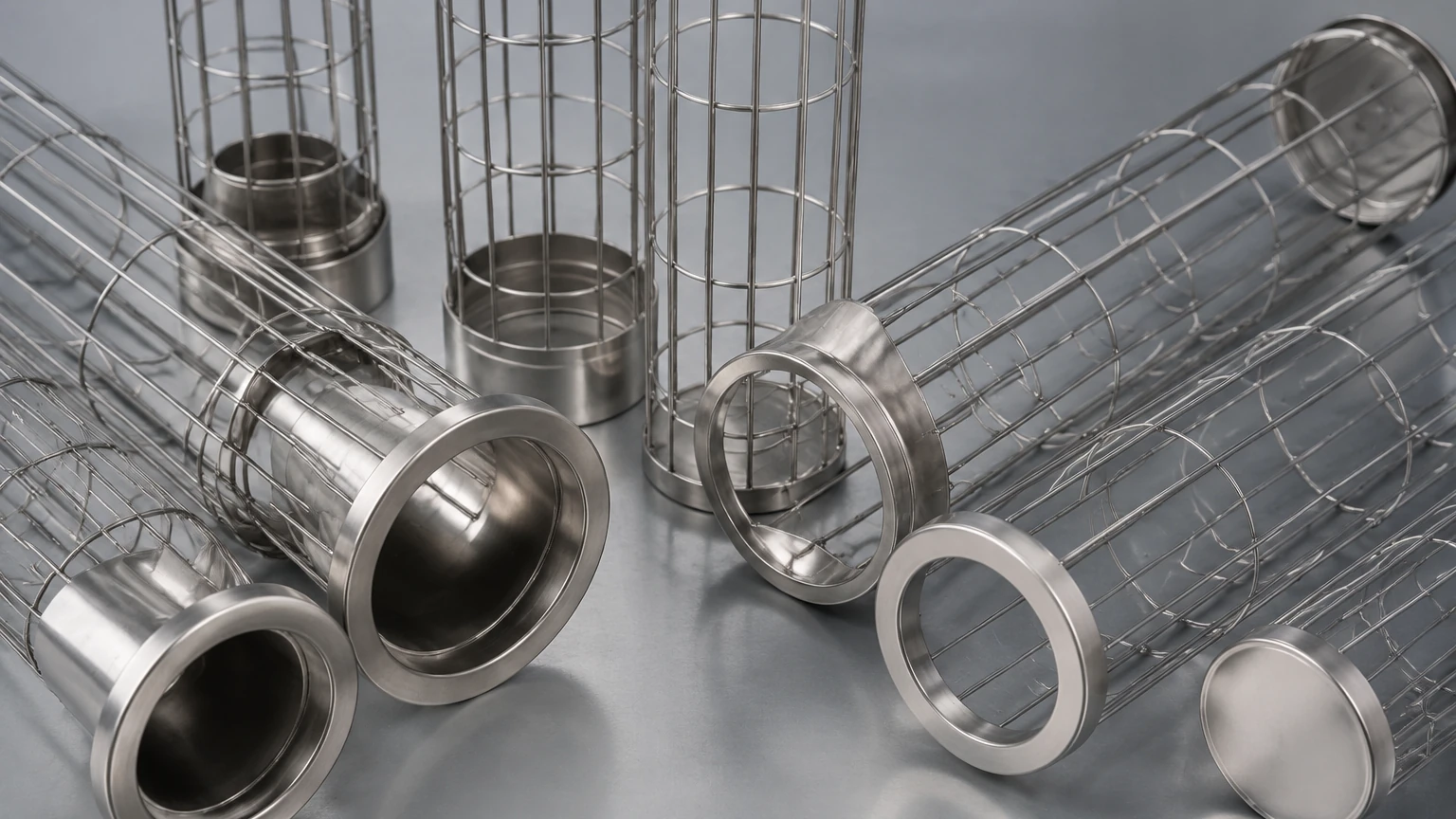
In industrial dust collection and air filtration systems, the performance of a pulse-jet baghouse is heavily dependent on the structural integrity of its internal components. The filter bag cage serves as the critical skeletal support for the filter bag, ensuring that the fabric media remains open and functional during the filtration cycle and withstands the mechanical stresses of the cleaning cycle. For engineers and procurement teams, selecting the correct filter bag cage is not merely a matter of sizing; it involves a deep understanding of material science, mechanical design, and the specific chemical environment of the application.
As a specialized manufacturer of stainless steel filtration solutions, Kaifil emphasizes the importance of precision engineering in these components. A poorly designed or corroded cage can lead to premature bag failure, increased emissions, and significant downtime. This guide examines the technical specifications, material considerations, and engineering factors essential for selecting and maintaining high-performance filter bag cages.
The Role of the Filter Bag Cage in Pulse-Jet Systems
In a pulse-jet baghouse, air flows from the outside of the filter bag toward the inside. This pressure differential would cause the flexible filter bag to collapse if not for the internal support provided by the filter bag cage. The cage ensures that the maximum surface area of the filter media remains exposed to the contaminated gas stream.
During the cleaning cycle, a high-pressure pulse of compressed air is released into the top of the bag. This pulse creates a shockwave that causes the bag to expand rapidly away from the cage, dislodging the dust cake accumulated on the exterior. Once the pulse passes, the bag snaps back against the cage. This repetitive mechanical action—expansion and contraction—means the cage must have a smooth surface and precise geometry to prevent abrasive wear on the filter media. Any burrs, sharp edges, or misaligned wires on the cage will significantly shorten the lifespan of expensive filter bags.
Engineering Specifications: Wire Count and Diameter
The structural design of a filter bag cage is defined by the number of vertical wires and the spacing of the horizontal support rings. These parameters are determined by the type of filter media being used and the operating pressure of the system.
Vertical Wire Count
Standard cages typically feature 8, 10, 12, 16, 20, or 24 vertical wires. The choice of wire count is directly related to the flexibility and weight of the filter media:
- Low Wire Count (8–10 wires): Generally used for heavy, rigid fabrics or in applications with low pressure differentials. However, fewer wires provide less support, allowing the fabric to sag between the wires, which can increase mechanical stress during the pulse cycle.
- High Wire Count (16–24 wires): Essential for lightweight or chemically sensitive fabrics, such as PTFE or fiberglass. More wires provide a more "rounded" support structure, reducing the distance the fabric must travel during the pulse-jet cleaning. This minimizes the "flex-fatigue" of the fibers and extends the bag's operational life.
Wire Diameter and Ring Spacing
Most industrial cages use wire diameters ranging from 3mm to 4mm (approximately 11 to 8 gauge). The horizontal rings, which provide hoop strength to prevent the cage from bowing, are typically spaced every 150mm to 200mm. In high-temperature or high-pressure applications, closer ring spacing may be required to maintain the cage's cylindrical profile under load.
Material Selection for Specialized Industrial Applications
The environment within a baghouse—characterized by temperature fluctuations, moisture levels, and chemical composition—dictates the material and finish of the filter bag cage. Choosing the wrong material leads to corrosion, which creates a rough surface that acts like sandpaper against the filter bag.
Carbon Steel with Protective Coatings
For non-corrosive environments at moderate temperatures, carbon steel is the standard choice. To prevent rust during storage and early operation, these cages are often finished with:
- Galvanization: Provides basic moisture resistance but can fail in acidic or high-temperature environments.
- Epoxy Coating: Offers better chemical resistance than galvanization and a very smooth surface, which reduces friction between the bag and the cage.
- PTFE/Teflon Coating: Used in sticky or high-moisture environments to prevent the bag from adhering to the cage.
Stainless Steel (304, 316L, 310S)
In industries such as chemical processing, food and beverage, and pharmaceuticals, stainless steel is the preferred material due to its superior corrosion resistance and ability to withstand high temperatures.
- Grade 304: Suitable for most standard corrosive environments.
- Grade 316L: Provides enhanced resistance to chlorides and organic acids, making it ideal for pharmaceutical and chemical applications.
- Grade 310S: Utilized in extreme high-temperature applications, such as metallurgical processing or waste-to-energy plants, where temperatures can exceed 300°C.
As a manufacturer focused on high-performance filtration, Kaifil provides customized stainless steel components that meet these rigorous standards. For more detailed technical specifications, you can visit the Main Page to explore our full range of industrial filtration solutions.
Top and Bottom Construction: Ensuring Seal Integrity
The ends of the filter bag cage are as important as the wire body. They must interface perfectly with the baghouse tubesheet and the filter bag to ensure a leak-free seal.
Top Configurations
The top of the cage often incorporates a venturi or a specialized collar:
- Integrated Venturi: A venturi helps to direct and accelerate the pulse of compressed air, improving cleaning efficiency and reducing compressed air consumption. These are often made of cast aluminum, spun steel, or plastic.
- Rolled Flange or Top Ring: These designs allow the cage to sit securely on the tubesheet. The fit must be precise to prevent dust bypass.
Connection Types for Long Cages
In many modern baghouses, cages can exceed 6 meters in length. For ease of shipping and installation, these are often manufactured in two or more sections. The joints must be engineered for rigidity and ease of assembly. Common connection types include:
- Slide-on/Sleeve Joints: Simple and cost-effective but must be checked for vertical alignment.
- Claw/Finger Joints: Provide a more secure mechanical lock.
- Threaded or Bayonet Couplings: Offer the highest level of security for very heavy or long cage assemblies.
Evaluating Customization and OEM Requirements
Industrial filtration systems are rarely one-size-fits-all. When replacing cages or designing a new system, engineers must confirm several critical dimensions and environmental factors to ensure compatibility. At Kaifil, we recognize that OEM requirements often involve unique geometries that standard off-the-shelf products cannot satisfy.
Key information to confirm before procurement includes:
1. Exact Tubesheet Hole Diameter: The cage top must fit snugly to ensure the bag seal is compressed correctly.
2. Overall Length and Diameter: Even a 5mm discrepancy can lead to installation difficulties or bag abrasion against the baghouse walls.
3. Gas Stream Chemistry: Presence of SOx, NOx, or high moisture levels may necessitate upgrading from galvanized steel to 316L stainless steel.
4. Pulse Pressure: High-pressure systems (above 6 bar) require more robust cages with higher wire counts and thicker rings to prevent structural deformation.
Customization options also extend to the shape of the cage. While most are cylindrical, some systems utilize oval or "star" shaped cages to increase the filtration surface area within the same footprint. These specialized designs require advanced manufacturing capabilities to maintain consistent tolerances across thousands of units.
Maintenance and Failure Analysis of Support Cages
A filter bag cage is often viewed as a permanent component, but it is subject to wear and degradation. Regular inspections during bag change-outs are essential for maintaining system efficiency.
Common Failure Modes
- Corrosion (Rust): This is the most common cause of bag failure. Rust creates a rough surface that tears the bag fibers during the pulse cycle. If rust is present, the cage must be replaced or upgraded to a more resistant material.
- Broken Welds: Each intersection of a vertical wire and a horizontal ring is a weld point. In high-vibration environments or systems with aggressive pulse-jet settings, these welds can fail. A single broken wire can quickly puncture a filter bag.
- Bowed or Warped Cages: If a cage is not straight, it will cause the bag to rub against adjacent bags or the hopper walls, leading to localized wear.
Replacement Cycles
While filter bags may be replaced every 1 to 3 years depending on the application, high-quality stainless steel cages can last 10 years or more. However, if switching to a different type of filter media (e.g., from polyester to fiberglass), the existing cages should be evaluated to ensure the wire count is sufficient for the new material.
Conclusion
The filter bag cage is a fundamental component that determines the reliability and cost-effectiveness of industrial dust collection. By focusing on precision wire counts, appropriate material selection, and robust connection designs, engineers can significantly extend the life of their filter bags and reduce total cost of ownership. Whether managing a chemical processing plant or a food production facility, the choice of cage material—particularly the transition to stainless steel for demanding environments—is a critical engineering decision.
Kaifil continues to support global industries with high-quality, customized filtration components. For technical assistance in selecting the right cage configuration or to review product options and application support, please refer to our Main Page.
