


Filter Baghouse
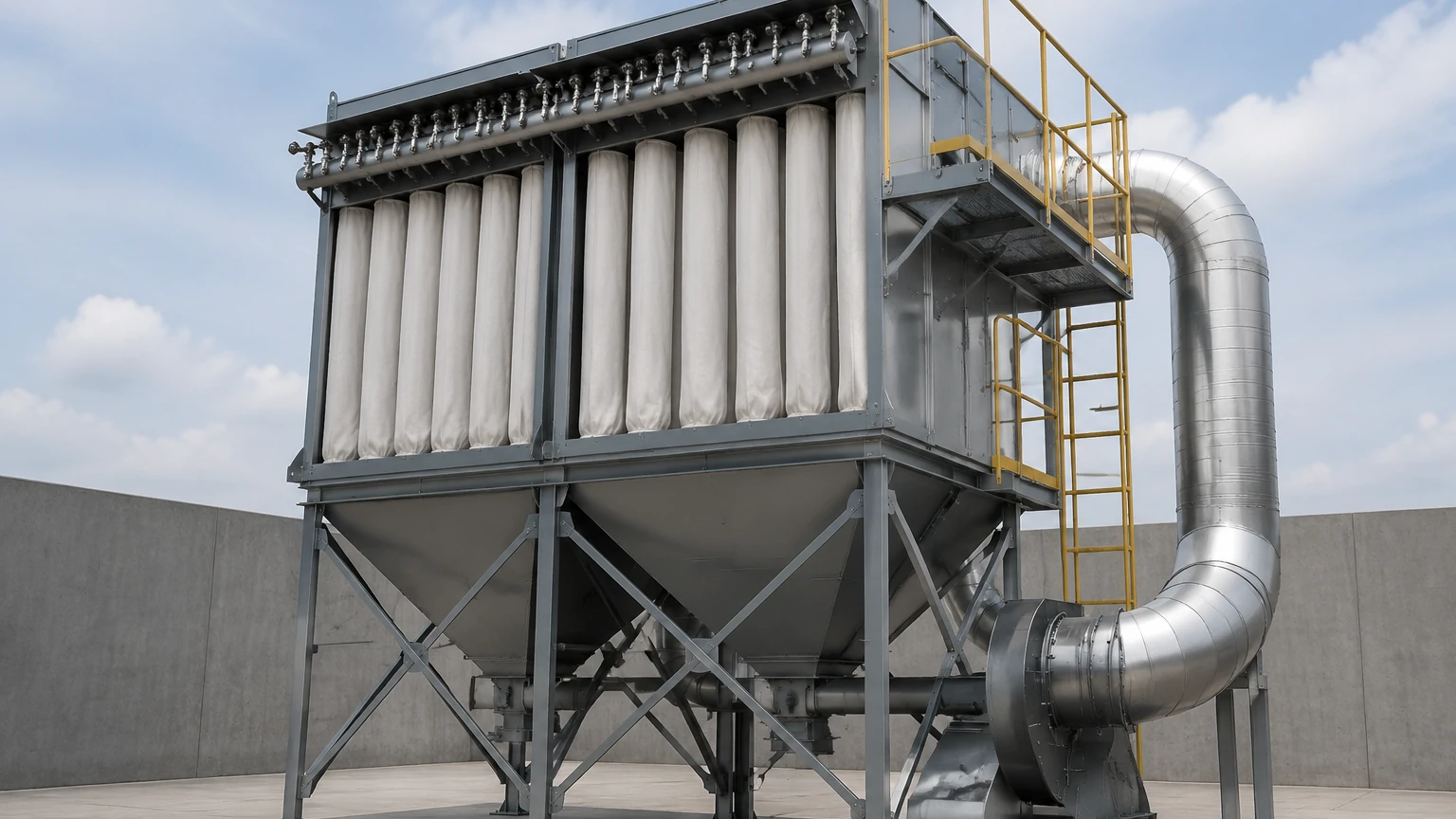
In the landscape of industrial emission control and material recovery, the filter baghouse remains one of the most versatile and efficient systems for managing particulate matter. Often referred to as a fabric filter, a baghouse is a large-scale dust collection unit designed to remove dry particulates from gas streams. For engineers and facility managers in sectors such as chemical processing, pharmaceuticals, and food production, selecting the right baghouse configuration and high-quality internal components is critical to ensuring regulatory compliance and operational efficiency.
While the primary filtration occurs through fabric media, the structural integrity and long-term performance of a filter baghouse depend heavily on its engineered metal components. From the support cages that prevent bag collapse to the precision-engineered tubesheets and venturis, the quality of these metal parts directly impacts the system's pressure drop, cleaning efficiency, and total service life.
Understanding the Mechanisms of a Filter Baghouse
The operation of a filter baghouse is categorized by the method used to clean the filter media. Understanding these mechanisms is the first step for any technical professional tasked with system selection or optimization.
Pulse-Jet Systems
Pulse-jet baghouses are the most common in modern industrial applications. In this design, dust-laden air enters the housing and is filtered from the outside of the bag to the inside. A metal support cage is inserted into each bag to maintain its shape under suction. Periodically, a burst of compressed air is fired down through a venturi into the top of the bag. This creates a shockwave that flexes the fabric outward, dislodging the dust cake which then falls into a hopper. This system allows for continuous operation without shutting down for cleaning cycles.
Shaker Baghouses
In a shaker system, the filter bags are suspended from a motorized shaking mechanism at the top. Air typically flows from the inside of the bag to the outside. When the pressure drop reaches a predetermined level, the compartment is taken offline, and the mechanism shakes the bags to release the dust. These systems are simpler but require more downtime and are generally limited to applications where pulse-jet cleaning might damage delicate media.
Reverse Air Baghouses
Reverse air systems utilize a secondary fan to blow clean air in the opposite direction of the normal flow. This causes the bags to collapse slightly, cracking the dust cake so it can fall away. Like shaker systems, these require the compartment to be offline during cleaning and are often used in high-volume, low-pressure applications involving very fine particulates.
The Critical Role of Support Cages and Metal Components
For engineers focused on durability, the metal support structure within the filter baghouse is as important as the fabric itself. A poorly manufactured cage can lead to premature bag failure, increased energy costs, and frequent maintenance shutdowns.
Support Cage Geometry
Support cages are typically constructed from longitudinal wires and circular rings. The spacing of these wires is a critical engineering consideration. Too few wires provide inadequate support, leading to excessive fabric flexing and "bag blinding" where dust becomes embedded in the fibers. Conversely, too many wires can restrict airflow and increase the initial pressure drop. Precision manufacturing ensures that the cage is perfectly straight and the rings are spaced to provide uniform support across the entire length of the bag.
Surface Finish and Bag Longevity
In a pulse-jet filter baghouse, the bag is constantly expanding and contracting against the metal cage. Any burrs, sharp edges, or weld spatters on the cage will act like sandpaper, quickly wearing through the fabric. High-quality cages undergo specialized finishing processes—such as electropolishing or specialized coatings—to ensure a smooth interface. For industries requiring high hygiene standards, such as food and beverage or pharmaceuticals, stainless steel cages are the industry standard to prevent rust contamination and ensure chemical compatibility.
For those seeking technical specifications on precision metal filtration components and support structures, you can Review product options and application support on our Main Page.
Material Selection for Demanding Environments
Selecting the right materials for a filter baghouse involves balancing thermal requirements, chemical resistance, and mechanical stress. While the fabric (media) is selected based on particulate size and chemistry, the metal components must be equally resilient.
1. Stainless Steel (304 and 316L): These are the preferred materials for cages and tubesheets in corrosive environments. 316L, in particular, offers superior resistance to chlorides and acidic gas streams common in chemical processing.
2. Carbon Steel with Coatings: In less demanding applications, carbon steel cages may be used, often coated with epoxy or galvanized finishes to provide basic corrosion resistance.
3. Specialty Alloys: For extreme high-temperature applications (exceeding 500°F), specialty alloys may be required to prevent metal fatigue and oxidation.
When evaluating materials, engineers must consider the "acid dew point" of the gas stream. If the temperature within the baghouse drops below this point, moisture and chemicals can condense on the metal surfaces, leading to rapid corrosion if the incorrect alloy was selected.
Engineering Selection Criteria: Performance Metrics
To ensure a filter baghouse meets the specific needs of a facility, several technical parameters must be calculated and confirmed before procurement.
Air-to-Cloth Ratio
The air-to-cloth (A/C) ratio, also known as the filtration velocity, is the volume of gas passing through a square foot of filter media per minute (CFM/ft²). A lower A/C ratio generally leads to higher filtration efficiency and longer bag life but requires a larger, more expensive baghouse. For heavy dust loads or fine particulates, a conservative A/C ratio is essential to prevent the system from becoming overwhelmed.
Differential Pressure (Delta P)
The pressure drop across the baghouse is a primary indicator of system health. A high Delta P indicates that the bags are dirty or blinded, requiring more energy from the fan to move the same volume of air. Monitoring Delta P allows maintenance teams to optimize cleaning cycles and predict when bags need replacement. Precision-engineered venturis at the top of the bags can help maintain a lower Delta P by ensuring the pulse of cleaning air is used as efficiently as possible.
Micron Rating and Efficiency
While baghouses are excellent for capturing large volumes of dust, their efficiency at the sub-micron level depends on the media type and the development of a "dust cake." In some high-precision applications, stainless steel wire mesh filters or sintered metal cartridges are used as a secondary stage or in place of fabric bags to achieve specific micron ratings and allow for high-pressure cleaning that would destroy traditional fabric.
Maintenance and Replacement Cycles
A proactive maintenance strategy is the only way to minimize the total cost of ownership (TCO) for a filter baghouse. Engineers should establish a schedule for the following:
* Leak Detection: Using fluorescent leak-detection powders can quickly identify torn bags or improper seals at the tubesheet.
* Cage Inspection: During bag change-outs, cages should be inspected for signs of corrosion or warping. A warped cage will not support the bag correctly, leading to localized wear.
* Pulse Valve Maintenance: Diaphragm valves in pulse-jet systems are wear items. If a valve fails to fire or sticks open, it can waste compressed air and leave an entire row of bags uncleaned.
* Tubesheet Integrity: The tubesheet is the plate that holds the bags and separates the dirty air from the clean air. Any bypass here—often caused by poor hole tolerances or corrosion—will result in immediate emissions violations.
Customization and OEM Solutions
Every industrial process has unique filtration requirements. Off-the-shelf solutions rarely provide the optimal balance of performance and longevity. Customization options often include:
* Custom Cage Lengths and Diameters: To fit existing housings or optimize surface area.
* Integrated Venturi Designs: To maximize pulse-jet cleaning efficiency for specific compressed air pressures.
* Specialized Metal Media: For applications where fabric cannot survive the temperature or chemical environment, custom stainless steel filtration components provide a durable alternative.
By working with a manufacturer that understands both the textile and metal engineering aspects of filtration, purchasing teams can ensure they are receiving components that are compatible with their specific equipment and process conditions.
Conclusion
The filter baghouse is a critical asset for industrial environmental control. Its success depends on a synergy between high-quality filter media and precision-engineered metal support structures. By paying close attention to material selection, air-to-cloth ratios, and the physical condition of support cages, engineers can significantly extend the life of their filtration systems and reduce operational costs. For those in the process of designing a new system or upgrading an existing one, focusing on technical specifications and manufacturing quality is the most reliable path to long-term performance. For more information on custom filtration solutions, visit our Main Page.
