


Filter Bags for Dust Collectors
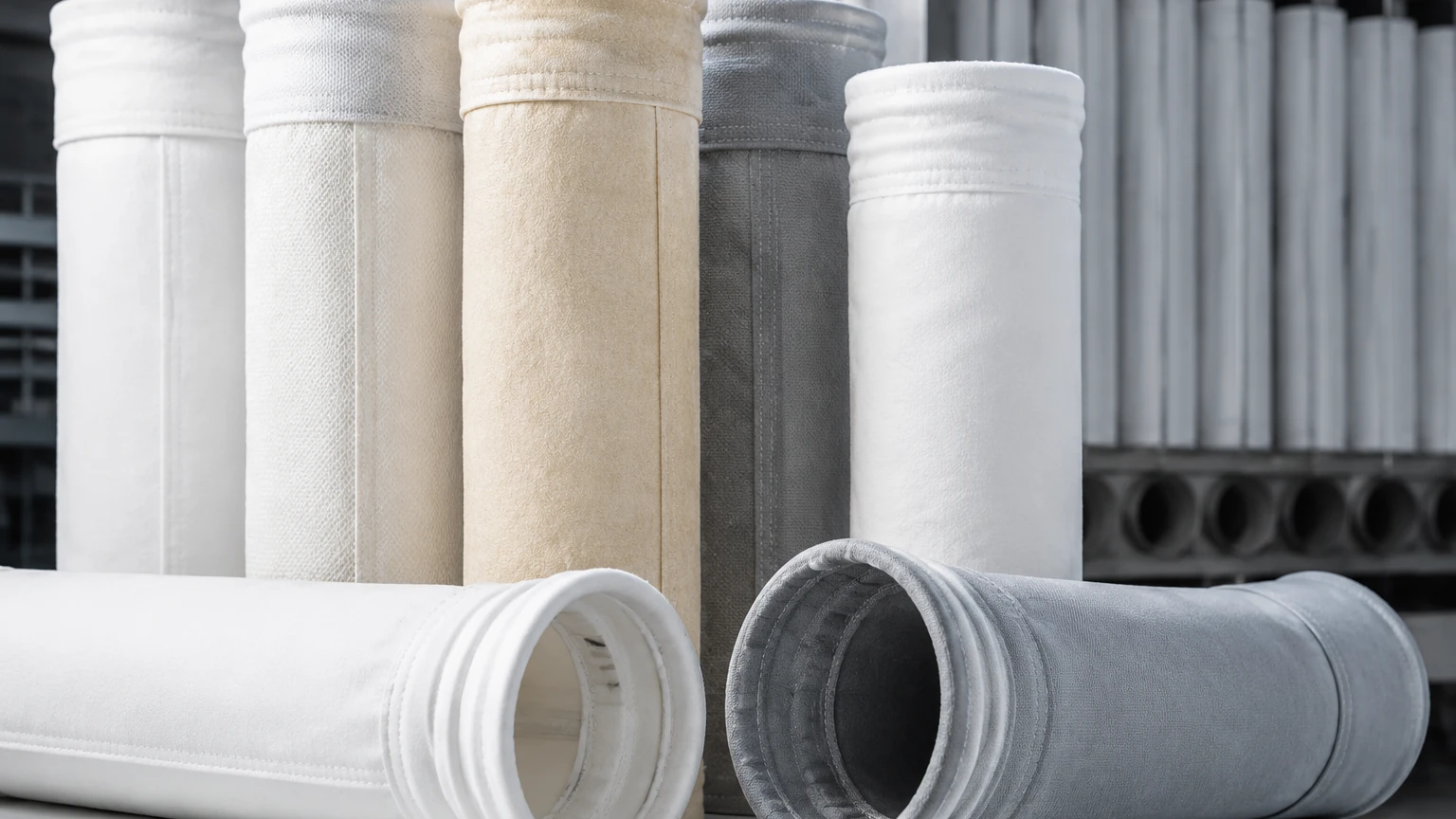
In industrial environments, air quality management is a critical operational requirement that impacts regulatory compliance, worker safety, and equipment longevity. At the center of most dry filtration systems are filter bags for dust collectors. These components serve as the primary barrier, capturing particulate matter from industrial gas streams before the air is either recirculated or exhausted into the atmosphere. Selecting the appropriate filter bag involves a complex evaluation of gas chemistry, temperature, dust characteristics, and the mechanical design of the dust collection system.
For engineers and procurement teams, understanding the technical nuances of filter media and bag construction is essential to optimizing the total cost of ownership (TCO). This guide examines the engineering principles behind filter bags, material selection criteria, and the performance factors that dictate filtration efficiency in demanding industrial applications.
Understanding the Role of Filter Bags in Industrial Air Quality
Industrial dust collectors, often referred to as baghouses, utilize fabric filters to separate dust from a gas stream. The process relies on several physical mechanisms, including inertial impaction, interception, and diffusion. As dust-laden air passes through the filter media, a "dust cake" builds up on the surface. While the fabric provides the initial filtration, this accumulated cake often performs the majority of the fine particulate capture.
Effective dust collection is vital in industries such as chemical processing, cement manufacturing, metal smelting, and food production. In these sectors, filter bags must not only capture dust but also withstand the mechanical stresses of cleaning cycles—whether via pulse-jet, shaker, or reverse-air mechanisms. Failure to select the correct bag specification can lead to premature blinding (clogging), excessive pressure drop, and frequent downtime for replacement.
Material Engineering: Selecting the Right Media
The choice of material is perhaps the most significant factor in the performance of filter bags for dust collectors. Industrial environments present diverse challenges, ranging from ambient temperature wood dust to high-temperature, corrosive flue gases in chemical plants.
Synthetic Fibers
Most standard filter bags are constructed from needle-punched felts or woven fabrics made from synthetic polymers. Common materials include:
* Polyester: The most versatile and cost-effective material for dry, low-temperature applications (up to 275°F/135°C). It offers good abrasion resistance but is susceptible to hydrolysis in moist environments.
* Polypropylene: Ideal for low-temperature applications where chemical resistance to acids and alkalis is paramount. It has a lower temperature limit (around 190°F/88°C).
* Aramid (Nomex): Frequently used in high-temperature applications like asphalt plants and metal processing. It can operate continuously at temperatures up to 400°F (204°C).
* PPS (Polyphenylene Sulfide): Excellent for coal-fired boilers and incinerators due to its superior resistance to acids and high temperatures (up to 375°F/190°C).
* PTFE (Teflon): The gold standard for chemical resistance and high-temperature performance (up to 500°F/260°C). PTFE membranes are often laminated onto other fabrics to enhance dust release and filtration efficiency.
The Role of Specialized Coatings and Finishes
To enhance performance, filter media often undergo secondary treatments. Singeing or glazing the surface of the felt can improve dust cake release. Oleophobic and hydrophobic treatments are applied to resist oil and moisture, preventing the "mudding" of the filter bags. In applications involving combustible dust, antistatic (epitropic) fibers are integrated into the felt to dissipate static charges and reduce the risk of explosion.
Technical Parameters for Filter Bag Performance
When specifying filter bags, engineers must look beyond the material type and evaluate specific technical metrics that define how the bag will behave under load.
Air-to-Cloth Ratio
The air-to-cloth (A/C) ratio, or filtration velocity, is the volume of gas passing through one square foot of filter media per minute (CFM/ft²). A lower A/C ratio generally leads to higher filtration efficiency and longer bag life, as it reduces the velocity at which particles strike the media. High A/C ratios can force dust deep into the fabric pores, leading to permanent blinding.
Micron Rating and Efficiency
While often associated with liquid filtration, the pore size and efficiency rating of the filter media are critical in dust collection. This is particularly true for sub-micron particulate matter. High-efficiency bags, such as those utilizing ePTFE membranes, can achieve near-zero emissions, which is essential for meeting EPA and OSHA standards for hazardous materials.
Differential Pressure (ΔP)
The pressure drop across the filter bags is a primary indicator of system health. A high ΔP suggests that the bags are blinded or that the cleaning system is inadequate. Maintaining a stable, low differential pressure reduces the energy consumption of the system's fan and minimizes the mechanical strain on the bags.
Structural Design and Installation Considerations
The mechanical interface between the filter bag and the dust collector housing is a frequent point of failure. Proper fitment is required to prevent bypass, where dust-laden air leaks around the bag rather than passing through it.
* Top Construction: Options include snap bands (which expand into the tube sheet hole), flange tops, or corded tops. The seal must be airtight and able to withstand the pulses of the cleaning system.
* Bottom Construction: Most bags feature a reinforced bottom cap or a disk to protect against the abrasive force of incoming dust.
* Support Cages: In pulse-jet systems, filter bags are supported by internal wire cages. These cages prevent the bag from collapsing during the filtration cycle. It is vital that the cage has a sufficient number of vertical wires to support the fabric without causing excessive wear at the contact points.
For specialized industrial applications where standard fabric bags cannot meet the temperature or chemical requirements, engineers often turn to custom metal filtration components. To explore precision-engineered filtration options, you can Review product options and application support at the Main Page.
Operational Challenges and Maintenance Strategies
Even the highest quality filter bags for dust collectors will fail prematurely if the system is not maintained correctly. Engineers should monitor several key variables to ensure a long service life.
Cleaning Cycles
The method of removing the dust cake—whether by mechanical shaking, reverse air, or high-pressure compressed air pulses—must be tuned to the specific media. Over-cleaning can strip the protective dust cake and lead to "bleeding" (particulate bypass), while under-cleaning leads to high pressure drop.
Dew Point Management
If the temperature of the gas stream drops below the dew point, moisture will condense on the filter bags. This causes the dust to turn into a slurry, which then hardens into a crust that cannot be removed by standard cleaning. Insulation of the baghouse and pre-heating the system are common engineering solutions to this problem.
Abrasion and Mechanical Wear
High-velocity dust particles can act like a sandblaster, wearing through the fabric. This is common near the inlet of the dust collector. Using wear strips or baffles to redirect the airflow can mitigate this damage.
The Transition to Precision Metal Filtration Solutions
While fabric filter bags are the standard for large-scale dust collection, certain industrial processes involve conditions that exceed the capabilities of synthetic polymers. In high-pressure hydraulic systems, high-temperature chemical reactors, or sterile pharmaceutical environments, stainless steel wire mesh and sintered metal filters are often preferred.
Stainless steel filtration components offer several advantages over traditional bags in specific contexts:
1. Temperature Resistance: Capable of operating in environments exceeding 1000°F.
2. Chemical Inertness: Resistant to aggressive solvents and corrosive gases that would degrade synthetic fibers.
3. Structural Integrity: Metal filters can withstand significantly higher differential pressures without deforming or rupturing.
4. Cleanability: Unlike fabric bags, which are usually replaced, metal filter elements can often be cleaned via ultrasonic baths or chemical stripping and reused multiple times.
As industrial processes become more refined, the integration of precision metal components—such as those manufactured by Kaifil—provides a level of reliability that traditional filter bags may lack in extreme environments.
Key Considerations for OEM and Customized Filtration Procurement
When sourcing filtration components, B2B buyers should prioritize suppliers who offer engineering support and customization. A one-size-fits-all approach rarely works in complex industrial filtration.
Before finalizing a purchase or design specification, confirm the following with your technical partner:
* Gas Stream Analysis: Provide detailed data on temperature fluctuations, moisture content, and chemical composition.
* Dust Characteristics: Information on particle size distribution, abrasiveness, and whether the dust is hygroscopic or explosive.
* Regulatory Targets: Ensure the selected media can meet specific emission limits (e.g., mg/m³).
* Customization Options: Determine if custom dimensions, specific finishes, or specialized support structures are required for your specific equipment model.
By focusing on these factual engineering boundaries, facilities can ensure their dust collection systems operate at peak efficiency, maintaining a safe and compliant working environment while minimizing operational costs. For more information on custom stainless steel filtration solutions and precision metal components, visit the Main Page.
