


Filter Plates Manufacturers
In the landscape of industrial liquid-solid separation, the selection of filter plates is a critical decision that directly impacts operational efficiency, product purity, and long-term maintenance costs. For engineers and procurement specialists, identifying the right filter plates manufacturers involves more than just comparing price points; it requires a deep understanding of material science, mechanical design, and the specific demands of the application environment. Whether used in chemical processing, pharmaceutical manufacturing, or heavy-duty wastewater treatment, the filter plate serves as the structural foundation for the filtration media, bearing the brunt of hydraulic pressure and chemical exposure.
Industrial filter plates are designed to provide a support surface for filter cloth or metal mesh, allowing filtrate to pass through while retaining solids. As processes become more demanding—involving higher temperatures, more corrosive fluids, and finer particle retention requirements—the shift toward high-performance metal filter plates has become more pronounced. Manufacturers who specialize in stainless steel and precision alloys offer solutions that standard plastic or cast-iron plates cannot match in terms of durability and hygiene.
The Role of Filter Plates in Industrial Process Filtration
Filter plates are the primary components of filter presses and various pressure filtration systems. Their main function is to create a series of chambers where slurry is pumped under pressure. The solids are trapped within the chamber, forming a "cake," while the liquid (filtrate) passes through the filter media and out through the drainage system of the plate.
Reliable filter plates manufacturers must ensure that the drainage surface of the plate is engineered to facilitate maximum flow with minimal resistance. This is often achieved through a series of pips, grooves, or specialized mesh overlays. In high-precision industries, the flatness and parallelism of the plate surfaces are paramount. Any deviation can lead to improper sealing, resulting in "wicking" or bypass, where the slurry escapes the chamber, contaminating the filtrate or causing mechanical wear on the press frame.
Furthermore, the structural integrity of the plate is vital. During the filtration cycle, plates are subjected to significant clamping forces and internal hydraulic pressures. A poorly manufactured plate may flex or warp, leading to uneven cake thickness and inefficient washing or air-blowing cycles. Therefore, technical expertise in metallurgy and precision machining is a non-negotiable requirement for suppliers in this sector.
Key Engineering Considerations for Selecting Filter Plates Manufacturers
When evaluating filter plates manufacturers, engineering teams must prioritize technical specifications that align with their specific process conditions. The choice of material is the first and most crucial factor. While polypropylene is common for standard applications, stainless steel (such as 304, 316L, or 904L) and specialized alloys are required for high-temperature or highly corrosive environments.
Material Compatibility and Metallurgy
Stainless steel filter plates offer superior resistance to chemical attack and thermal degradation. In the pharmaceutical and food industries, the use of 316L stainless steel is often mandatory to prevent batch contamination and to withstand rigorous Clean-in-Place (CIP) protocols. Manufacturers should provide full material traceability and certifications to ensure that the alloys used meet international standards (such as ASTM or EN).
Pressure and Temperature Ratings
Industrial processes often operate at elevated pressures to speed up the filtration cycle or to handle high-viscosity fluids. Manufacturers must specify the maximum operating pressure and the safety factor used in their designs. For metal plates, the ability to operate at temperatures exceeding 200°C without losing structural integrity is a significant advantage over polymer-based alternatives.
Surface Finish and Hygiene
In B2B sectors like biotechnology or fine chemicals, the surface finish of the filter plate is a critical performance metric. A smooth, electropolished surface prevents particle adhesion and facilitates easier cleaning. Manufacturers with advanced finishing capabilities can provide plates with specific Ra (roughness average) values, ensuring compliance with stringent sanitary regulations.
Evaluating Customization Capabilities and OEM Support
One of the most significant challenges for engineers is finding filter plates that fit legacy equipment or unique, proprietary processes. Standardized plates often fail to meet the specific flow dynamics or space constraints of a specialized facility. This is where the distinction between a commodity supplier and a custom manufacturer becomes clear.
Custom filter plates manufacturers, such as Kaifil, provide the engineering support necessary to develop bespoke solutions. This includes:
* Dimensional Customization: Adjusting the length, width, and thickness of the plates to fit existing filter press frames.
* Porting and Manifold Design: Customizing the location and size of the inlet and outlet ports to optimize slurry distribution and filtrate drainage.
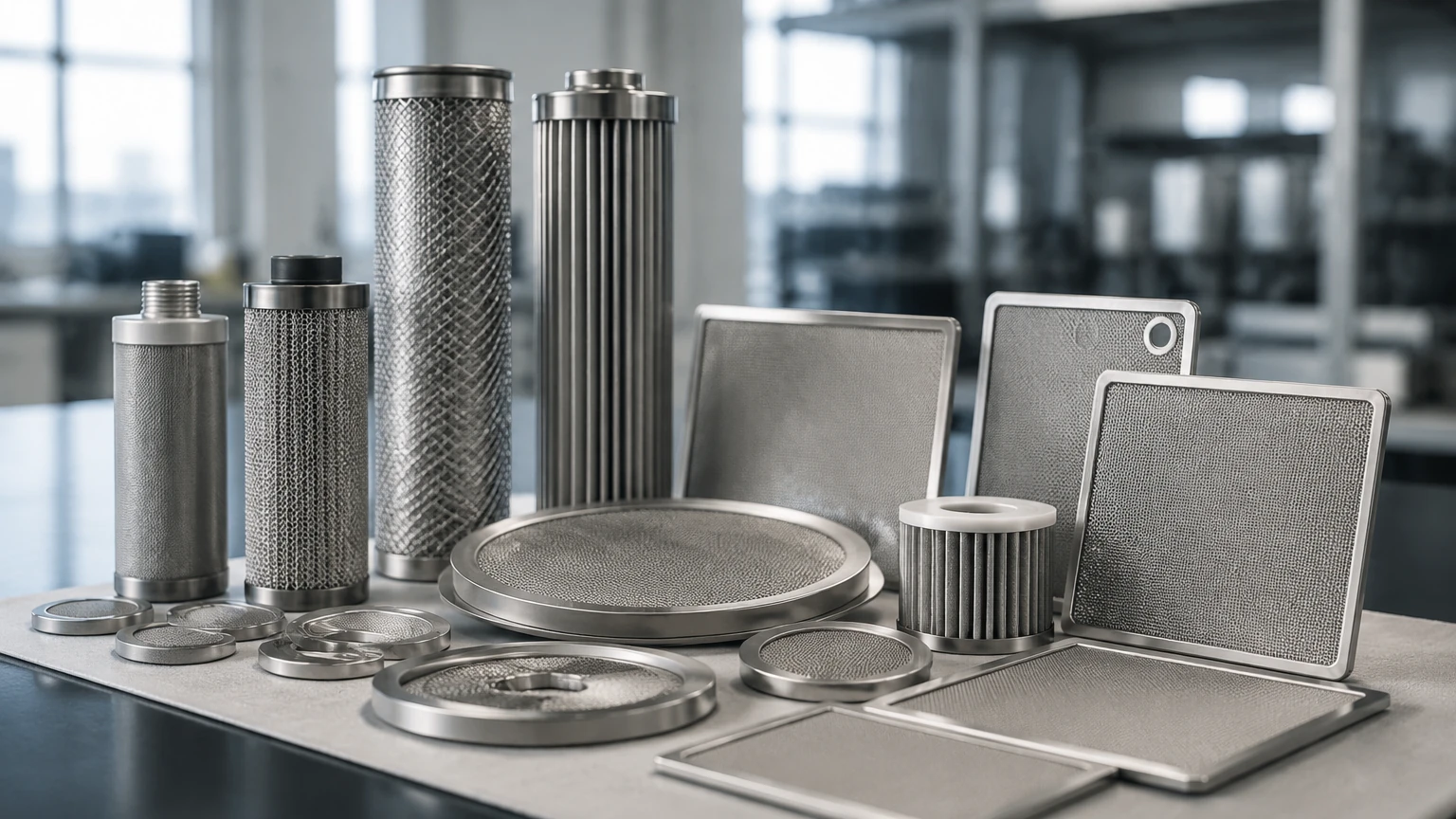
* Integrated Media Solutions: Some manufacturers can integrate stainless steel wire mesh directly onto the plate surface, creating a permanent, high-strength filtration unit that eliminates the need for replaceable filter cloths.
* Prototyping: The ability to produce small batches or prototypes for pilot plant testing is essential for verifying performance before a full-scale rollout.
For companies looking for specialized stainless steel filtration components, reviewing the technical capabilities on a manufacturer's Main Page can provide insights into their ability to handle complex OEM requirements and custom designs.
Performance Metrics and Quality Standards in Plate Manufacturing
To ensure long-term reliability, filter plates must be manufactured under strict quality control frameworks. High-quality filter plates manufacturers employ various testing methods to validate their products before shipment. These metrics often include:
1. Pressure Testing: Subjecting the plates to pressures exceeding their rated capacity to check for leaks or structural deformation.
2. Dimensional Inspection: Using Coordinate Measuring Machines (CMM) to verify that the plates meet the exact tolerances required for a perfect seal.
3. Weld Integrity: For fabricated metal plates, non-destructive testing (NDT) such as X-ray or dye penetrant inspection is used to ensure that welds are free of voids or inclusions that could harbor bacteria or lead to stress corrosion cracking.
In addition to these physical tests, the manufacturer’s design philosophy plays a role. Effective drainage design, for instance, can reduce the time required for cake washing and drying, leading to significant energy savings over the life of the equipment. Engineers should ask potential suppliers for data on flow rates and pressure drops associated with their specific plate designs.
Total Cost of Ownership: Beyond the Initial Purchase Price
In B2B procurement, the "sticker price" of a filter plate is often a misleading indicator of its true value. Total Cost of Ownership (TCO) accounts for the initial investment, maintenance costs, replacement frequency, and the cost of process downtime.
While stainless steel filter plates represent a higher initial capital expenditure compared to plastic alternatives, their lifespan is significantly longer. Plastic plates are prone to cracking, warping, and chemical softening, often requiring replacement every 12 to 24 months in harsh environments. In contrast, a well-engineered stainless steel plate can last for decades with minimal maintenance.
Furthermore, the ease of cleaning metal plates can reduce the consumption of cleaning chemicals and water. In applications where the filter media is integrated into the plate, the labor costs associated with changing filter cloths are eliminated. When calculating TCO, engineers should also consider the impact of plate failure; a single cracked plate can halt production, leading to losses that far outweigh the cost of a premium filtration component.
Common Challenges and Risks in Sourcing Filter Plates
Sourcing from unverified or low-cost filter plates manufacturers carries several risks that can compromise an entire production line. One common issue is the use of sub-standard materials. For example, a plate labeled as 316L stainless steel might actually be a lower grade with higher carbon content, leading to rapid corrosion in acidic environments.
Another risk is poor manufacturing tolerances. If a set of plates in a filter press are not uniform in thickness, the clamping pressure will be unevenly distributed. This not only causes leaks but can also damage the hydraulic closing system of the press.
Engineers should also be wary of manufacturers who lack technical documentation. A reputable supplier should be able to provide detailed CAD drawings, material certifications, and a clear warranty policy. Lack of transparency in the manufacturing process is often a red flag for future quality issues.
Maintenance and Replacement Cycles
Even the highest quality filter plates require a maintenance strategy. For metal plates, this typically involves periodic inspection for surface pitting or mechanical wear. In processes involving abrasive slurries, the drainage surfaces may eventually wear down, affecting the flow rate.
Manufacturers should provide guidelines on cleaning protocols. For instance, using the wrong concentration of acid in a CIP cycle could damage the passive layer of a stainless steel plate, leading to rust. Understanding the expected replacement cycle—and the factors that accelerate it—allows maintenance teams to plan for turnarounds without interrupting production schedules.
Conclusion: Making an Informed Decision for Your Filtration System
Selecting the right partner among various filter plates manufacturers is a strategic decision that influences the reliability of an industrial process. By focusing on technical expertise, material quality, and customization capabilities, engineers can ensure they receive a product that meets the specific rigors of their application.
Before finalizing a purchase, technical professionals should confirm the manufacturer's experience with their specific industry, their ability to provide custom engineering support, and their commitment to quality assurance. Investing in high-quality, precision-engineered filter plates is not merely a procurement task; it is an investment in the stability and efficiency of the entire manufacturing operation. For those seeking reliable stainless steel filtration solutions, exploring the product range and technical resources available through an established manufacturer like Kaifil is a recommended starting point for any new project or system upgrade.
