


Filter Sock for Sump
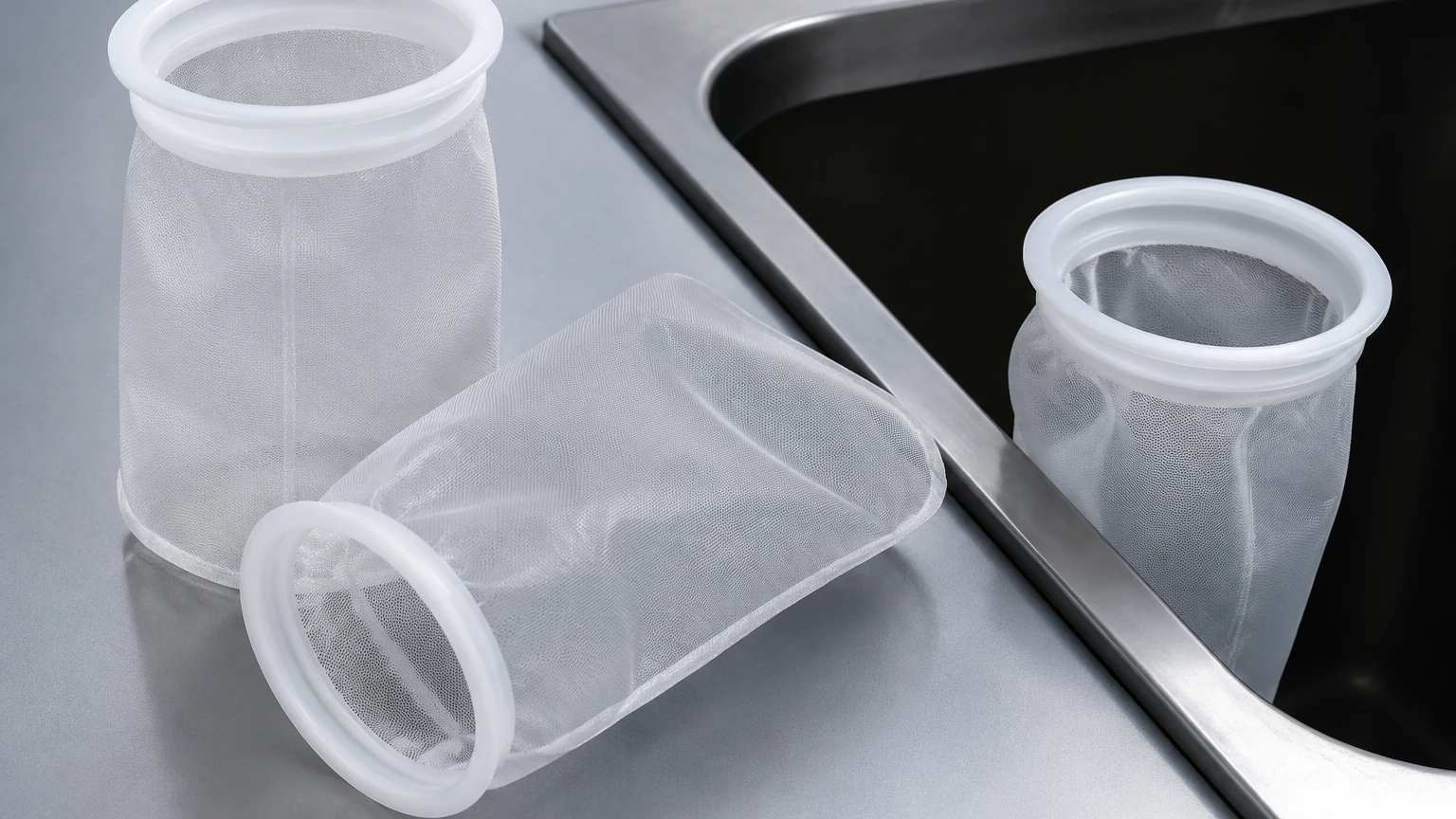
In industrial fluid management, the sump serves as a critical collection point for recirculating liquids, wastewater, or process chemicals. Ensuring the purity of the fluid before it reaches the pump intake is essential for preventing mechanical wear, clogging, and downstream contamination. A filter sock for sump applications acts as the primary mechanical barrier, capturing suspended solids and debris. While traditional disposable felt or nylon bags are common in low-demand environments, industrial-grade filtration requires a more robust approach.
As a professional manufacturer specializing in custom stainless steel filtration solutions, Kaifil provides high-performance metal mesh alternatives that offer superior durability and precision compared to standard fabric socks. Understanding the technical nuances of sump filtration—from material compatibility to micron ratings—is vital for engineers and purchasing teams looking to optimize their filtration systems.
Understanding the Role of a Filter Sock for Sump Systems
The primary function of a filter sock for sump systems is to remove particulate matter from the fluid stream as it enters or exits a reservoir. In industrial contexts, such as metalworking coolant tanks or chemical processing sumps, these filters are often the first line of defense. By capturing metal chips, scale, or precipitated solids, the filter protects expensive pumps and precision nozzles from damage.
In many systems, the filter sock is positioned at the inlet of the sump to treat incoming fluid, or it is integrated into a basket strainer assembly within the sump itself. The goal is to maintain a specific level of fluid cleanliness, measured by the concentration of particles of a certain size. For engineers, the challenge lies in balancing filtration efficiency with flow rate. A filter that is too fine may clog prematurely, leading to overflow or pump cavitation, while a filter that is too coarse allows damaging contaminants to circulate through the system.
Materials and Construction: Why Stainless Steel Mesh Outperforms Fabric
When selecting a filter sock for sump environments, material choice is the most significant factor impacting performance and total cost of ownership. Traditional filter socks are often made from needle-felt polyester or monofilament nylon. While inexpensive initially, these materials face several limitations in industrial settings:
1. Chemical Resistance: Many industrial fluids, particularly in chemical processing or high-temperature cleaning, can degrade synthetic fibers.
2. Structural Integrity: Under high flow rates or pressure surges, fabric socks can stretch or tear, leading to "bypass," where unfiltered fluid escapes into the sump.
3. Disposability vs. Sustainability: Fabric socks are typically single-use, creating a continuous stream of waste and recurring procurement costs.
Kaifil addresses these challenges by manufacturing stainless steel wire mesh filter socks and cartridges. Using 304 or 316L stainless steel, these components offer exceptional resistance to corrosion and high temperatures. Unlike fabric, stainless steel mesh provides a fixed pore size that does not distort under pressure. This ensures consistent filtration accuracy throughout the life of the filter. Furthermore, metal filters are cleanable and reusable, significantly reducing the long-term cost and environmental impact compared to disposable alternatives.
Key Engineering Considerations for Sump Filter Selection
To specify the correct filter sock for sump applications, engineers must evaluate several technical parameters to ensure the component meets the application's demands.
Micron Rating and Filtration Accuracy
Filtration accuracy is defined by the micron rating, which indicates the size of the particles the mesh will intercept. For industrial sumps, ratings can range from 5 microns for fine polishing to over 1,000 microns for coarse debris removal. It is important to distinguish between nominal and absolute ratings. Stainless steel wire mesh provides highly predictable pore sizes, allowing for precise control over the filtration process.
Flow Rate and Pressure Drop (Delta P)
Every filter introduces resistance to the fluid flow, known as pressure drop. A filter sock for sump use must be sized to accommodate the maximum system flow rate without exceeding the allowable pressure drop. Increasing the surface area of the filter—often achieved through pleated designs or larger diameter socks—can help maintain high flow rates while extending the interval between cleanings.
Mechanical Strength and Support
In high-viscosity fluids or systems with high particulate loads, the filter sock may experience significant mechanical stress. Kaifil’s custom solutions often include internal or external support structures, such as perforated metal cores or heavy-duty mesh cages, to prevent the filter from collapsing or bursting under load.
Applications Across Industrial Sectors
The versatility of a high-quality filter sock for sump applications makes it indispensable across various industries. Each sector presents unique challenges that dictate the design and material of the filtration component.
* Metalworking and Machining: Sumps used for cutting fluids and coolants collect metal swarf and fine chips. Stainless steel mesh socks are ideal here because they can be easily cleaned of sharp metallic debris that would otherwise puncture a fabric bag.
* Chemical Processing: In environments involving aggressive solvents or acids, 316L stainless steel provides the necessary chemical compatibility to prevent filter failure and fluid contamination.
* Food and Beverage: Filtration components in this sector must meet strict hygiene standards. Stainless steel is non-leaching and can withstand high-temperature CIP (Clean-in-Place) sterilization cycles.
* Hydraulic Systems: Sump filters in hydraulic reservoirs prevent particulate matter from entering the pump, which is critical for maintaining the tight tolerances of hydraulic valves and actuators.
Maintenance and Longevity: Optimizing the Replacement Cycle
One of the primary advantages of transitioning to a metal filter sock for sump use is the shift from a replacement model to a maintenance model. However, to maximize the lifespan of a stainless steel filter, a proper maintenance protocol must be established.
Monitoring the differential pressure across the filter is the most effective way to determine when cleaning is required. As the mesh captures particles, the effective open area decreases, and the pressure drop increases. If left uncleaned, the reduced flow can starve downstream pumps.
Cleaning methods for stainless steel filters include:
* Backwashing: Reversing the flow of fluid to dislodge particles from the mesh.
* Ultrasonic Cleaning: Using high-frequency sound waves in a cleaning solution to remove fine particulates trapped deep within the mesh weave.
* Chemical Cleaning: Using compatible solvents to dissolve organic or mineral buildup.
By implementing these cleaning cycles, a single stainless steel filter can last for years, providing a much higher return on investment than thousands of disposable fabric socks.
Customization and OEM Solutions for Industrial Sumps
No two industrial systems are identical, and off-the-shelf filtration products often fall short of specific performance requirements. Kaifil specializes in the design and manufacture of customized filtration components tailored to unique sump configurations.
When partnering with a manufacturer for a custom filter sock for sump applications, engineers should confirm the following details:
* Connection Type: Whether the filter requires a flange, a threaded fitting, or a simple snap-ring for installation.
* Housing Compatibility: Ensuring the filter dimensions fit perfectly within existing sump baskets or housings to prevent bypass.
* Environmental Factors: Identifying potential exposure to extreme temperatures, vibration, or specific chemical agents.
Kaifil’s engineering team works closely with global customers to develop prototypes and scale production for OEM applications. From selecting the appropriate weave type—such as plain, twilled, or dutch weave—to integrating specialized gaskets and seals, every aspect of the filter is optimized for the intended environment.
Achieving Efficient Filtration Performance
Selecting the right filter sock for sump applications is a balance of engineering precision and operational practicality. While the initial focus may be on the micron rating, the long-term success of a filtration system depends on the durability of the material, the ease of maintenance, and the structural integrity of the filter under load.
By moving away from disposable media and adopting precision-engineered stainless steel solutions, industrial facilities can achieve more consistent fluid purity, protect their mechanical assets, and reduce operational waste. Whether you are managing a hydraulic reservoir, a chemical processing tank, or a large-scale water treatment sump, the right filtration component is foundational to system reliability.
For more information on our range of custom stainless steel filtration products and to find the right solution for your industrial application, visit our Main Page. Our team is ready to support your technical requirements with high-performance filter cartridges, wire mesh filters, and precision metal components designed for the most demanding environments.
