


Filter Vacuum Pump
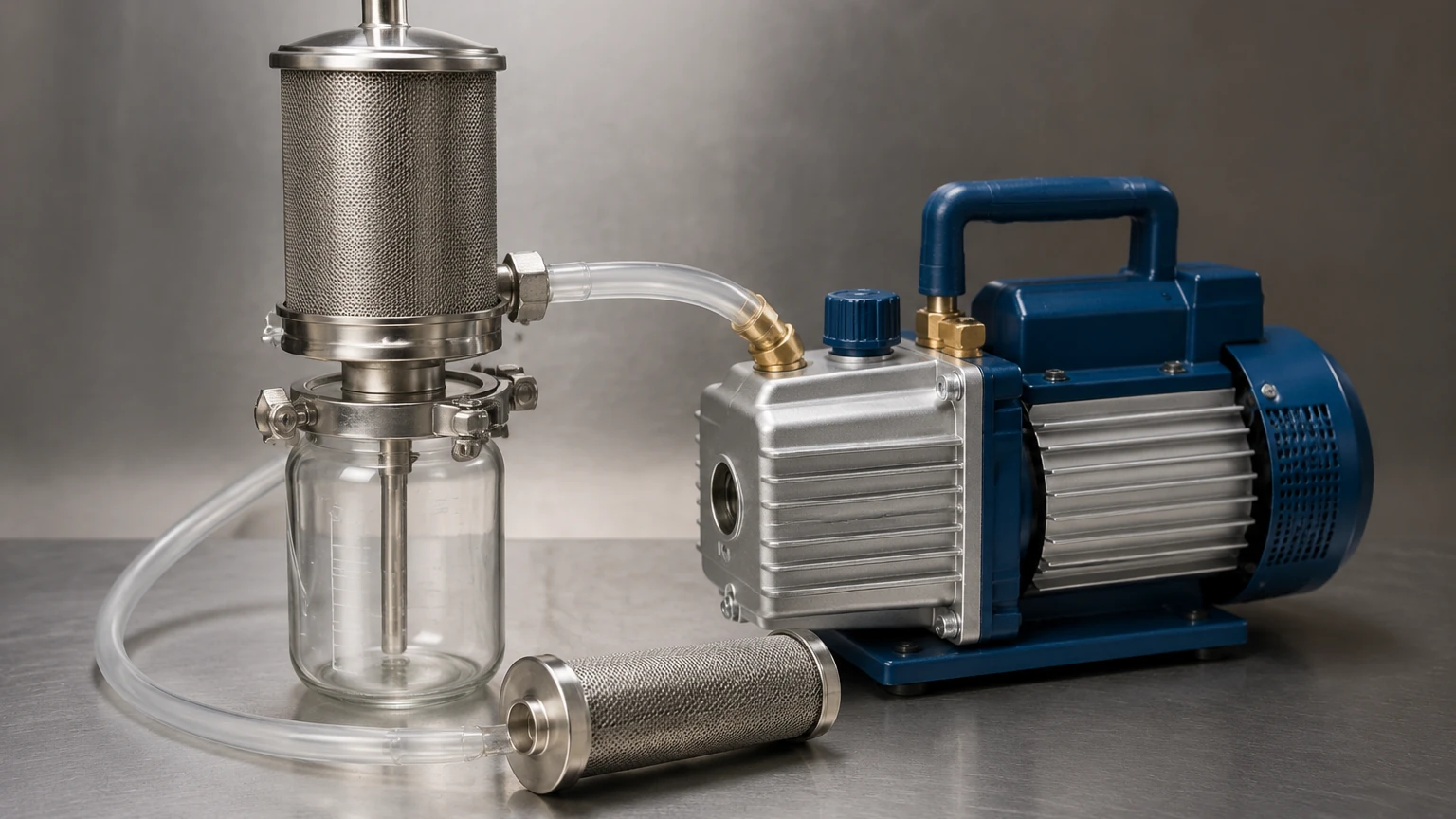
In industrial vacuum systems, the integration of high-performance filtration is not merely an accessory but a critical engineering requirement. A filter vacuum pump assembly refers to the strategic placement of filtration components—either at the intake, the exhaust, or within the internal lubrication circuit—to protect the vacuum pump from contaminants and to prevent the pump from discharging pollutants into the workspace. For engineers and procurement teams, selecting the correct filtration solution requires a deep understanding of gas dynamics, material compatibility, and the specific demands of the application environment.
As a specialized manufacturer of stainless steel filtration solutions, Kaifil provides the technical expertise necessary to optimize these systems. Whether the goal is to prevent particulate ingestion in a chemical reactor or to manage oil mist in a rotary vane pump, the choice of filter media and housing design directly impacts the system's ultimate vacuum level and maintenance intervals.
The Role of Filtration in Vacuum Pump Systems
Vacuum pumps are designed to move gas molecules from a sealed volume to create a partial vacuum. However, industrial processes rarely involve pure, dry air. Contaminants such as dust, metal shavings, liquid droplets, and corrosive vapors are common. Without an effective filter vacuum pump setup, these contaminants enter the pump chamber, leading to several failure modes:
1. Abrasive Wear: Solid particulates can score the precision-machined surfaces of rotors, vanes, and cylinders, leading to a loss of compression and eventual mechanical failure.
2. Oil Contamination: In oil-sealed pumps, contaminants emulsify with the lubricant, reducing its sealing properties and increasing the frequency of oil changes.
3. Valve Clogging: Debris can prevent check valves or internal porting from sealing correctly, causing backflow or loss of vacuum depth.
4. Environmental Discharge: On the exhaust side, pumps often discharge oil mist or process vapors that must be captured to meet health and safety regulations.
By visiting the Kaifil Main Page, engineers can explore the range of stainless steel wire mesh and sintered metal components designed specifically to withstand the pressure differentials and thermal loads inherent in vacuum applications.
Engineering Considerations for Intake Filtration
The intake filter is the first line of defense. When selecting a filter vacuum pump intake component, engineers must balance filtration efficiency with "conductance." Conductance refers to the ease with which gas flows through the system; a filter that is too restrictive will create a pressure drop, effectively reducing the pumping speed and the system's ability to reach its target vacuum.
Micron Rating and Efficiency
In vacuum applications, the micron rating must be chosen based on the sensitivity of the pump. For example, dry screw pumps or scroll pumps may require finer filtration (down to 1-5 microns) compared to rugged liquid ring pumps. Kaifil specializes in precision wire mesh filters that offer absolute ratings, ensuring that no particles above a specific size can pass through the media.
Pressure Drop (Delta P)
A high initial pressure drop across the filter reduces the effective volumetric flow rate of the pump. Stainless steel pleated cartridges are often preferred in these scenarios because they provide a significantly larger surface area within a compact housing, minimizing resistance while maintaining high dirt-holding capacity.
Material Compatibility
In chemical processing or semiconductor manufacturing, the gases being pumped may be corrosive. While plastic or paper filters might fail or outgas (releasing volatile compounds that ruin the vacuum), stainless steel (304 or 316L) remains inert. This ensures that the filter vacuum pump system maintains high purity levels and structural integrity over long production cycles.
Exhaust Filtration and Mist Elimination
For oil-lubricated vacuum pumps, the exhaust side presents a different challenge: the capture of oil mist. As the pump compresses gas, it often atomizes the internal lubricant. An exhaust filter, or mist eliminator, is required to coalesce these fine droplets back into liquid oil.
Effective exhaust filtration involves multi-stage media. Often, a stainless steel mesh pre-filter captures larger droplets, followed by a high-efficiency coalescing element. The captured oil can then be returned to the pump's oil reservoir, reducing lubricant consumption and preventing a "haze" from forming in the industrial environment. Engineering teams must ensure that the exhaust filter is sized correctly for the pump's maximum flow rate to avoid backpressure, which can overheat the pump motor and damage internal seals.
Advantages of Stainless Steel Media in Vacuum Applications
While disposable paper or synthetic filters are common in light-duty applications, industrial-grade filter vacuum pump systems benefit significantly from metal filtration components. Kaifil’s focus on stainless steel provides several technical advantages:
* Thermal Stability: Vacuum processes often generate heat, especially during high-load roughing cycles. Stainless steel maintains its mechanical properties at temperatures where synthetic media would soften or degrade.
* Zero Outgassing: In high-vacuum applications, the materials used must not release trapped gases. Stainless steel is a standard material for vacuum science because of its low vapor pressure and ease of cleaning.
* Durability and Reusability: Unlike disposable elements, stainless steel wire mesh filters can often be cleaned via ultrasonic baths or backwashing. This is particularly valuable in processes with high particulate loads where filters would otherwise need to be replaced weekly.
* Structural Integrity: Under vacuum, filters are subject to external pressure. Stainless steel cartridges can be engineered with internal support cores to prevent collapse, a critical safety feature in high-flow systems.
For more information on customized metal filter designs, you can review product options and application support on our Main Page.
Application-Specific Selection Criteria
Different industries face unique challenges when configuring a filter vacuum pump system. Understanding these nuances is essential for making an informed purchasing decision.
Chemical and Pharmaceutical Processing
In these sectors, vacuum pumps are often used for solvent recovery or distillation. The filters must handle aggressive chemical vapors. Using 316L stainless steel ensures resistance to pitting and corrosion. Furthermore, the filtration system must be designed for easy sterilization or CIP (Clean-In-Place) protocols if used in pharmaceutical environments.
Food and Beverage Packaging
Vacuum packaging requires high reliability. The primary risk here is moisture and organic particulates. Filtration systems must prevent liquid carryover into the pump. Kaifil provides customized liquid-gas separators and moisture traps that utilize stainless steel mesh to coalesce water vapor before it reaches the pump intake.
Woodworking and CNC Machining
Vacuum tables used for holding workpieces generate massive amounts of fine wood dust. In these high-particulate environments, the filter vacuum pump setup requires a heavy-duty pre-filter, often a cyclonic separator followed by a high-capacity pleated metal filter, to prevent the pump from seizing within hours of operation.
Evaluating Total Cost of Ownership (TCO)
When purchasing filtration for vacuum pumps, the initial purchase price is only one component of the total cost. Engineers should evaluate the following factors to determine the true value of a filtration solution:
1. Maintenance Labor: How long does it take to change the filter? Quick-release housings and durable metal elements can reduce downtime.
2. Energy Consumption: A filter with a high pressure drop forces the pump to work harder, increasing electricity costs over the life of the equipment.
3. Pump Repair Costs: A cheap, inefficient filter may save money upfront but lead to a $10,000 pump rebuild a year later due to particulate ingestion.
4. Waste Disposal: Disposable filters contribute to the waste stream and may require specialized disposal if contaminated with hazardous chemicals. Cleanable stainless steel filters mitigate this issue.
Customization and OEM Solutions
Standard off-the-shelf filters do not always meet the specific geometric or performance requirements of specialized vacuum equipment. Kaifil works closely with OEM manufacturers to develop custom filter vacuum pump components. This includes specialized flange connections (such as KF, ISO, or CF flanges), custom micron ratings, and unique housing shapes designed to fit within the footprint of the vacuum skid.
By focusing on precision engineering and high-quality materials, Kaifil ensures that every filtration component contributes to the overall efficiency and reliability of the industrial vacuum system. Whether you are designing a new system or looking to optimize an existing one, choosing the right filtration partner is essential.
To explore our full range of industrial filtration capabilities and technical specifications, please visit the Kaifil Main Page. Our team is ready to assist with material selection, filtration accuracy calculations, and customized design solutions to meet your most demanding vacuum application requirements.
