


Filterhuis Rvs
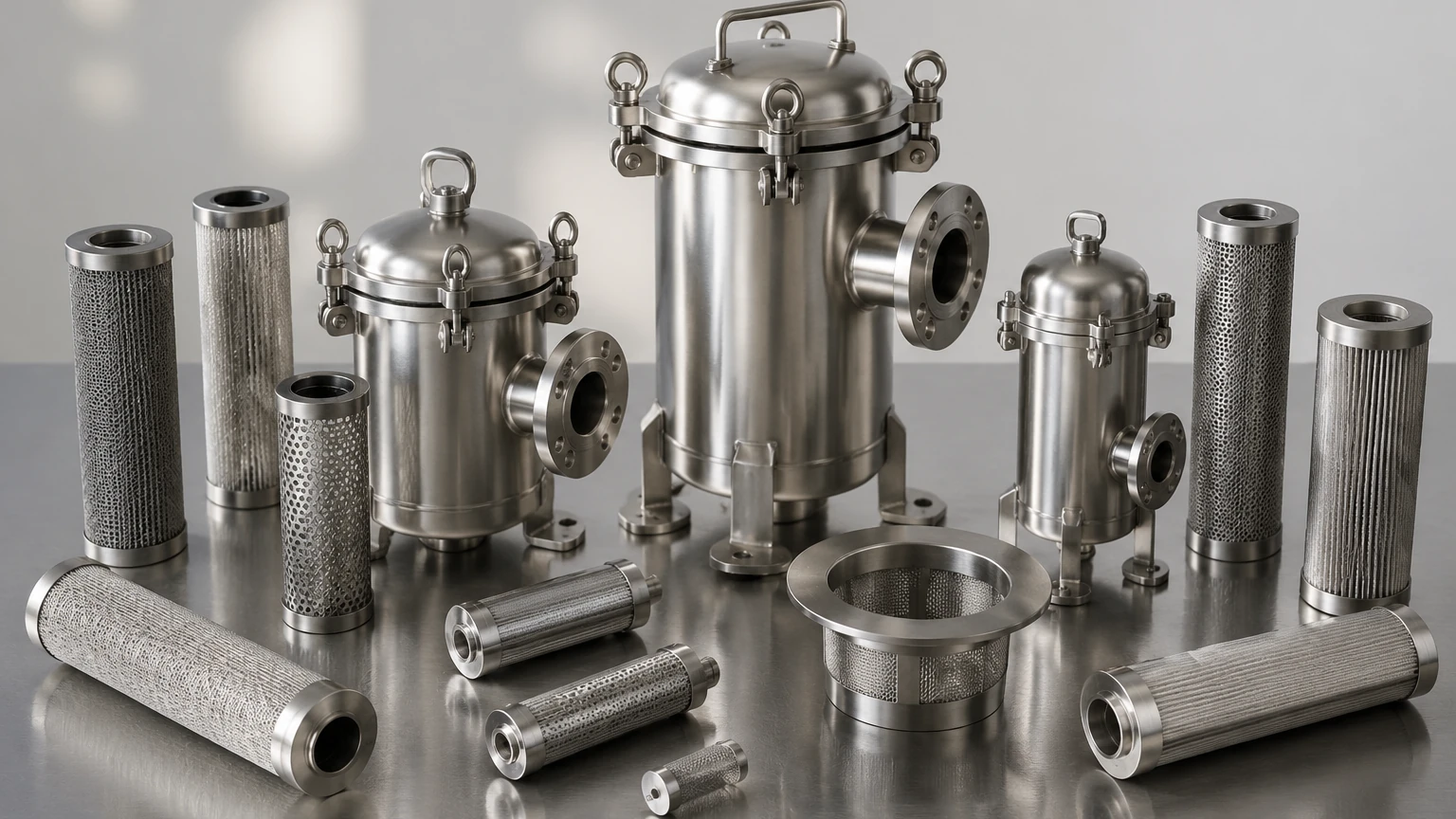
In industrial filtration, the structural integrity and chemical resistance of the containment vessel are as critical as the filtration media itself. A filterhuis rvs (stainless steel filter housing) serves as the primary pressure vessel designed to hold filter cartridges, bags, or metal mesh elements. For engineers and procurement specialists in the chemical, food and beverage, and pharmaceutical sectors, selecting the correct stainless steel housing is a prerequisite for ensuring process safety, product purity, and system longevity.
Stainless steel is the preferred material for industrial filter housings due to its exceptional mechanical properties and resistance to a wide range of corrosive agents. Unlike plastic or carbon steel alternatives, a filterhuis rvs can withstand high operating pressures and temperatures while maintaining a sanitary environment that prevents bacterial growth and contamination.
The Role of Filterhuis Rvs in Industrial Filtration Systems
The primary function of a filterhuis rvs is to direct the flow of a fluid—either liquid or gas—through a filtration medium. The housing must be engineered to manage the hydraulic stresses of the process while ensuring that no bypass occurs. In a typical industrial setup, the fluid enters through an inlet port, fills the housing chamber, passes through the filter element from the outside-in or inside-out (depending on the design), and exits through the outlet port.
Beyond simple containment, the filterhuis rvs must facilitate easy access for maintenance. Industrial processes often require frequent element changes or cleaning cycles. Therefore, the design of the housing cover, the type of closure (such as swing bolts or V-clamps), and the internal support structures are vital considerations for operational efficiency. Kaifil specializes in manufacturing these precision components to meet the rigorous demands of global industrial applications.
Material Selection: Grade 304 vs. Grade 316L
When specifying a filterhuis rvs, the choice of stainless steel grade is the most significant factor affecting cost and performance. The two most common grades used in industrial filtration are AISI 304 and AISI 316L.
AISI 304 Stainless Steel
Grade 304 is the standard "18/8" stainless steel. It offers excellent corrosion resistance in many environments and is widely used in water treatment and general industrial applications. It is a cost-effective choice for non-corrosive fluids and environments where chloride concentrations are low.
AISI 316L Stainless Steel
For more demanding environments, AISI 316L is the industry standard. The addition of molybdenum (2-3%) significantly enhances its resistance to pitting and crevice corrosion, particularly in chloride-rich environments. The "L" stands for low carbon, which improves weldability and reduces the risk of sensitization (carbide precipitation) during the welding process. This is essential for the structural integrity of a filterhuis rvs that will be subjected to high-pressure cycles or aggressive chemical cleaning agents.
Design Configurations for Different Industrial Applications
Not all filtration tasks are identical, and the architecture of the filterhuis rvs must reflect the specific needs of the process. There are several primary configurations used in the field:
Cartridge Filter Housings
These are designed to hold one or more filter cartridges. They are common in applications requiring high precision, such as sterile filtration in pharmaceuticals or fine chemical processing. Multi-round cartridge housings allow for high flow rates by housing dozens of cartridges in a single vessel, reducing the footprint of the filtration system.
Bag Filter Housings
Bag housings are typically used for high-flow, high-dirt-load applications where the filtration requirements are less stringent (usually 1 micron and above). The filterhuis rvs for bags features a support basket that prevents the bag from bursting under pressure. These are frequently found in wastewater treatment and the cooling water circuits of heavy machinery.
Sanitary Filter Housings
In the food, beverage, and biotech industries, the internal and external surfaces of the filterhuis rvs must be polished to a high degree (often measured in Ra, or roughness average). Sanitary housings eliminate "dead legs" or crevices where bacteria could proliferate. They often feature Tri-clamp connections and are designed for Clean-in-Place (CIP) or Steam-in-Place (SIP) sterilization.
Technical Specifications and Performance Metrics
Engineers must evaluate several technical parameters before selecting a filterhuis rvs to ensure it meets the safety and performance requirements of the facility.
1. Pressure Rating: The housing must be rated for the maximum operating pressure of the system, including potential pressure spikes. In Europe, this often involves compliance with the Pressure Equipment Directive (PED), while in North America, ASME Section VIII standards are common.
2. Flow Rate Capacity: The size of the inlet and outlet ports, as well as the internal volume of the housing, determines the maximum flow rate. Excessive flow through a small housing leads to high pressure drops and reduced filtration efficiency.
3. Temperature Limits: The choice of sealing materials (O-rings and gaskets) often dictates the temperature limit of the filterhuis rvs. While the stainless steel shell can handle extreme heat, EPDM, Viton, or PTFE seals have specific thermal boundaries.
4. Seal Compatibility: Chemical compatibility between the process fluid and the housing seals is critical. For example, while Viton is excellent for high temperatures and oils, it may not be suitable for certain organic acids or ketones.
Maintenance and Operational Longevity
A well-engineered filterhuis rvs is a long-term investment. To maximize its service life, regular maintenance protocols must be established. This includes inspecting the internal surfaces for signs of corrosion or erosion, particularly near weld points.
The replacement of seals is the most common maintenance task. Over time, O-rings can lose their elasticity (compression set) or become brittle due to chemical exposure. A failure in the seal of a filterhuis rvs can lead to fluid bypass, compromising the purity of the downstream product.
For systems using permanent metal filter elements, such as those manufactured by Kaifil, the cleaning process for the housing and the element often happens simultaneously. Using ultrasonic cleaning or backpulsing techniques allows the filterhuis rvs to remain in service for years without needing a complete overhaul.
Customization and Engineering Support
Standard off-the-shelf filter housings often fail to meet the unique constraints of specialized industrial plants. Factors such as limited installation space, non-standard pipe connections, or unique flow patterns require customized solutions.
Customization of a filterhuis rvs can include:
* Custom Porting: Adding vents, drains, or pressure gauge ports at specific orientations.
* Surface Treatments: Electropolishing for extreme sanitary requirements or specialized coatings for enhanced chemical resistance.
* Heating Jackets: For fluids that must be maintained at a specific temperature to prevent solidification or high viscosity (common in the chocolate and resin industries).
* Skid Mounting: Integrating multiple housings into a single, pre-piped assembly for easy installation.
As a professional manufacturer, Kaifil works closely with engineering teams to develop these tailored filtration components. By understanding the nuances of material selection and precision manufacturing, we ensure that every filterhuis rvs provides reliable performance in demanding environments.
Conclusion: Choosing the Right Partner for Filtration
Selecting a filterhuis rvs involves more than matching a part number. It requires a deep understanding of fluid dynamics, metallurgy, and the specific regulatory requirements of the industry. Whether you are dealing with high-pressure hydraulic fluids or delicate pharmaceutical ingredients, the housing is the foundation of your filtration strategy.
For engineers seeking to optimize their filtration processes, it is essential to work with a manufacturer that offers both technical expertise and customization capabilities. Reliable filtration components reduce downtime, protect expensive downstream equipment, and ensure the consistent quality of the final product.
To explore the full range of custom stainless steel filtration solutions and technical specifications, visit our Main Page for detailed product options and application support. By focusing on quality and precision, Kaifil continues to support the global industrial sector with durable and efficient filtration technology.
