


Filterhuizen
In industrial filtration systems, the efficiency of a process depends not only on the filter media itself but also on the structural integrity and design of the vessel that contains it. Filterhuizen, or filter housings, serve as the critical interface between the fluid processing line and the internal filtration elements. These components are engineered to withstand specific pressure ranges, chemical environments, and flow velocities while ensuring that 100% of the process fluid passes through the intended filtration barrier without bypass.
For engineers and procurement specialists, selecting the correct filterhuizen involves a complex evaluation of mechanical specifications, material science, and operational requirements. This guide examines the technical nuances of industrial filter housings, focusing on stainless steel constructions used in demanding sectors such as chemical processing, pharmaceuticals, and food and beverage production.
Understanding the Role of Filterhuizen in Industrial Systems
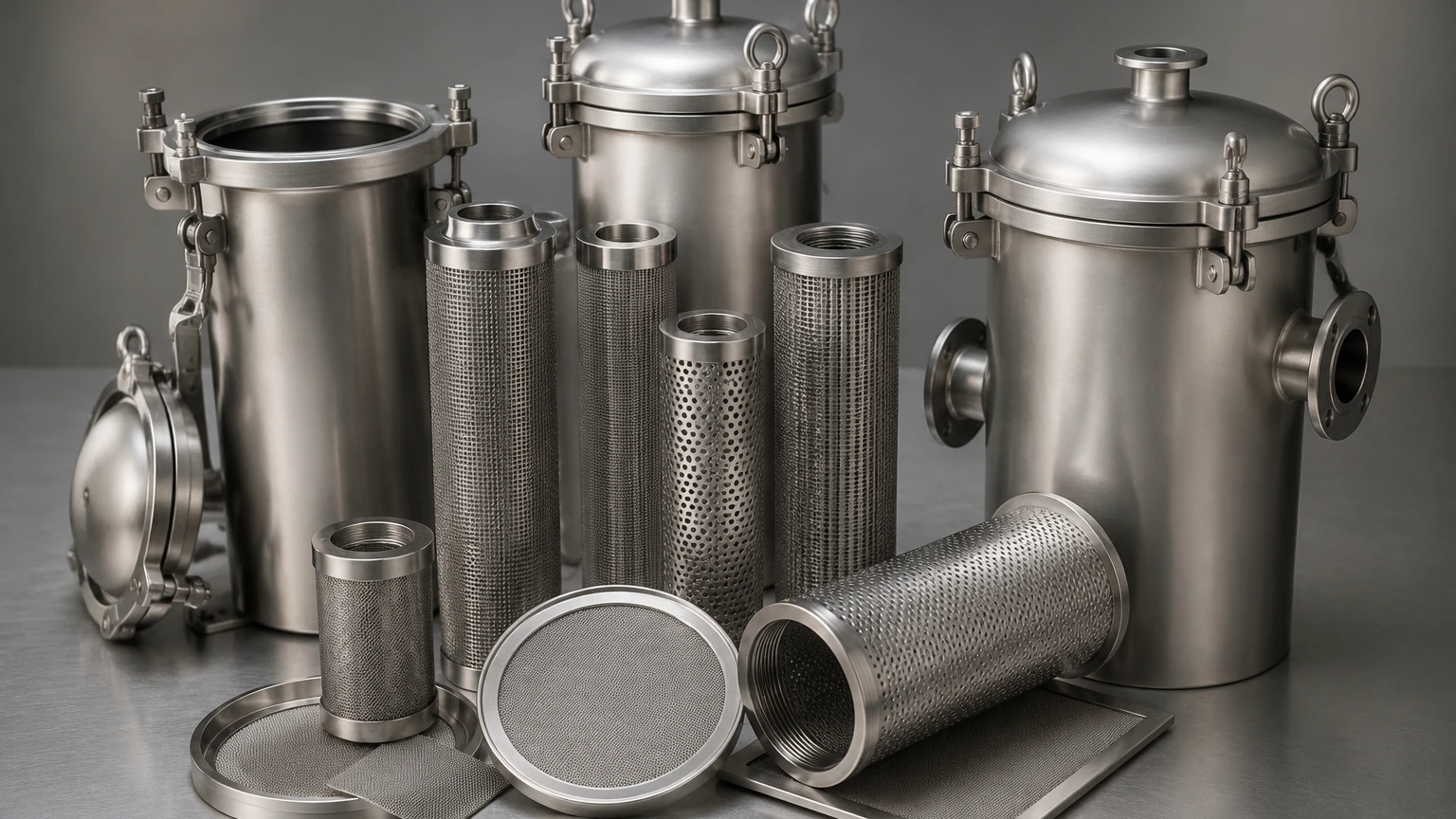
The primary function of filterhuizen is to provide a secure, leak-proof environment for filter cartridges, bags, or mesh elements. Beyond mere containment, the housing dictates the flow dynamics of the system. A well-designed housing ensures even distribution of the fluid across the surface of the filter element, preventing localized clogging and extending the service life of the media.
In high-pressure applications, the housing must function as a certified pressure vessel. This requires precise wall thickness calculations and robust closure mechanisms. Furthermore, the internal geometry of the housing must minimize "dead zones" where bacteria could grow or where sediment could accumulate, which is particularly vital in sanitary applications. By providing a stable platform for the filter media, filterhuizen allow for the precise control of particle retention and fluid purity.
Material Selection and Chemical Compatibility
When specifying filterhuizen, the choice of material is the most significant factor affecting longevity and safety. Stainless steel is the industry standard due to its mechanical strength and resistance to corrosion. However, the specific grade of steel must be matched to the process fluid.
SS304 vs. SS316L
Stainless steel 304 is often sufficient for water treatment and general industrial applications where the environment is not excessively corrosive. However, for processes involving chlorides, acids, or high-temperature saline solutions, SS316L is preferred. The addition of molybdenum in 316L provides superior resistance to pitting and crevice corrosion. In the pharmaceutical and food industries, 316L is almost universally required to meet hygiene standards and resist the harsh chemicals used during Clean-in-Place (CIP) cycles.
Surface Finishes and Coatings
The internal and external surface finish of filterhuizen is another technical consideration. For standard industrial use, a bead-blasted or pickled finish may suffice. In contrast, sanitary applications require mechanical polishing or electropolishing to achieve a specific Ra (Roughness Average) value. A smoother surface reduces the risk of particle adhesion and makes the sterilization process more effective. In highly aggressive chemical environments, specialty coatings like PTFE or Halar may be applied to the stainless steel substrate to provide an additional layer of chemical inertness.
Structural Design and Pressure Vessel Standards
Filterhuizen are subject to various international engineering standards, such as the ASME Boiler and Pressure Vessel Code or the European Pressure Equipment Directive (PED). Compliance with these standards ensures that the housing can safely handle the maximum allowable working pressure (MAWP) and temperature fluctuations of the system.
Closure Mechanisms
The method used to seal the housing is critical for both safety and ease of maintenance. Common designs include:
* V-Clamp Closures: Ideal for low-to-medium pressure applications where quick access to the filter element is required. They are lightweight and cost-effective.
* Swing Bolt Closures: These are used for high-pressure or high-flow systems. The heavy-duty bolts provide a secure seal that can withstand significant pressure surges and mechanical stress.
* Threaded Caps: Often found in smaller, single-cartridge housings, providing a compact and reliable seal for lower flow rates.
Sealing Components
The choice of O-rings or gaskets within the filterhuizen is as important as the metal itself. Common materials include Buna-N, EPDM, Viton (FKM), and PTFE-encapsulated silicone. The seal must be chemically compatible with the process fluid and capable of maintaining its elasticity under the operating temperature range to prevent bypass or external leaks.
Types of Filterhuizen for Diverse Applications
Industrial filtration requirements vary significantly, leading to the development of several specialized housing configurations. Understanding these types helps engineers optimize their system for either batch processing or continuous flow.
Single vs. Multi-Element Housings
Single-element filterhuizen are typically used in low-flow applications or as point-of-use filters. Multi-element housings, which can contain anywhere from 3 to over 100 cartridges or bags, are designed for high-volume industrial processes. Multi-element designs allow for higher flow rates within a relatively compact footprint and reduce the frequency of system shutdowns for filter changes.
Cartridge vs. Bag Filter Housings
Cartridge housings are designed for high-precision filtration, often targeting sub-micron particle sizes. They are common in pharmaceutical and electronics manufacturing. Bag filter housings, on the other hand, are generally used for high-solids loading and coarser filtration tasks. They are favored in the paint, coating, and wastewater industries due to their high dirt-holding capacity and the relative ease of disposing of the spent filter bag.
Duplex Filtration Systems
For processes that cannot be interrupted, duplex filterhuizen are employed. This configuration consists of two separate housing units connected by a diverter valve. When the filter in one housing reaches its maximum differential pressure, the flow is switched to the second housing, allowing the first to be serviced without stopping the production line.
Key Engineering Specifications for Procurement
To ensure the selected filterhuizen meet the performance expectations of a project, several technical parameters must be confirmed during the design phase.
1. Flow Rate and Velocity: The housing must be sized to accommodate the maximum required flow rate (measured in GPM or m³/h) without exceeding the recommended fluid velocity at the inlet and outlet ports. Excessive velocity can lead to turbulence, pressure drops, and erosion of the housing walls.
2. Differential Pressure (Delta P): Engineers must calculate the clean pressure drop across the housing and the element. A housing that is too small will result in a high initial pressure drop, reducing the available service life of the filter element.
3. Connection Types: Depending on the existing piping, filterhuizen can be equipped with NPT/BSP threaded connections, ANSI/DIN flanges, or sanitary Tri-Clamp fittings.
4. Vent and Drain Ports: Proper venting is necessary to remove air from the system during startup, while drain ports allow for the safe removal of fluid before element replacement.
Maintenance, Cleaning, and Operational Longevity
The total cost of ownership for filterhuizen is heavily influenced by maintenance requirements. Stainless steel housings are designed for long-term use, but they require regular inspection to ensure continued performance.
Monitoring the differential pressure is the most effective way to determine when the internal filter elements need replacement. Operating a system beyond the recommended Delta P can result in element collapse or "breakthrough," where contaminants are forced through the media.
For systems requiring high levels of cleanliness, the filterhuizen must be compatible with standard cleaning protocols. This includes the ability to withstand steam sterilization (SIP) or high-temperature caustic washes. During maintenance, it is essential to inspect the sealing surfaces for scratches or pitting, as even minor imperfections can lead to fluid bypass, compromising the entire filtration process.
Customization and OEM Solutions for Specialized Filtration
Many industrial applications involve unique constraints that standard off-the-shelf filterhuizen cannot meet. This is where custom manufacturing and OEM capabilities become essential. Customization can range from modifying the port orientations to fit into tight mechanical spaces to designing specialized internal supports for non-standard filter elements.
Manufacturers like Kaifil specialize in providing these tailored solutions. By integrating advanced manufacturing techniques with deep engineering knowledge, it is possible to develop filtration components that are optimized for specific chemical resistances, pressure ratings, and flow characteristics. Whether a project requires a single custom-designed vessel or a large-scale OEM production run, focusing on precision and material quality is paramount to achieving reliable filtration performance.
When evaluating potential partners for filtration projects, it is important to review their technical capabilities and previous experience in similar industrial environments. For more detailed information on available configurations and engineering support, you can Review product options and application support on the Main Page.
Conclusion
Filterhuizen are foundational components of any industrial fluid management system. Their design dictates the safety, efficiency, and purity of the process. By prioritizing high-grade materials like stainless steel, adhering to rigorous pressure vessel standards, and selecting the appropriate housing configuration for the specific task, engineers can ensure long-term operational success. As industrial requirements continue to evolve toward higher precision and stricter hygiene standards, the role of robustly engineered filter housings remains more critical than ever. Technical professionals should focus on detailed specifications—from surface Ra values to closure types—to ensure that their filtration infrastructure is capable of meeting the demands of modern manufacturing.
