


Filtration Cart
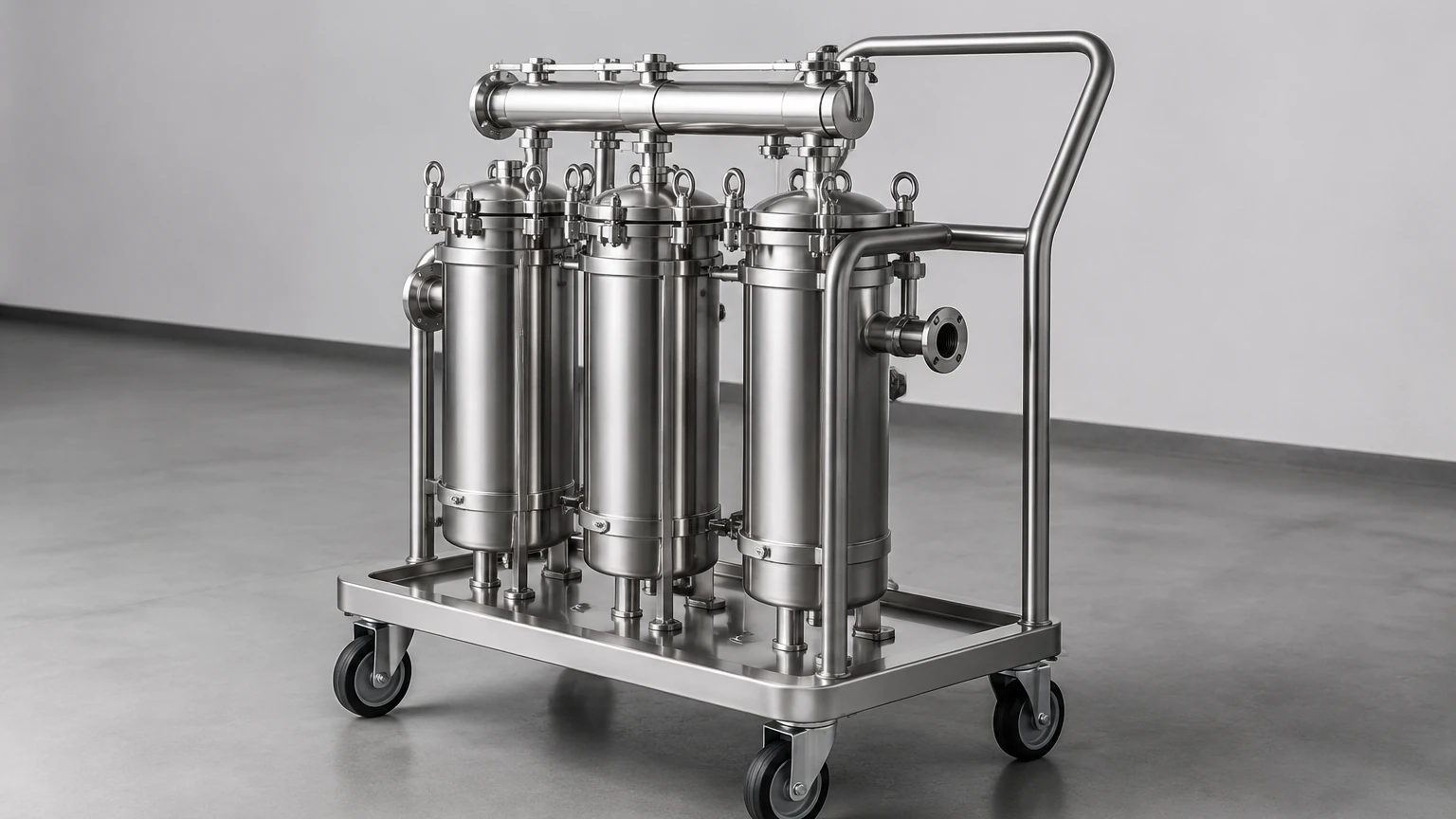
In modern industrial environments, maintaining fluid purity is a critical factor in ensuring equipment longevity and process efficiency. A filtration cart, often referred to as a mobile filtration unit or kidney-loop system, serves as a versatile tool for off-line fluid conditioning. Unlike dedicated on-board filtration systems that are integrated into a machine's primary circuit, a mobile filtration cart provides the flexibility to treat fluids in various reservoirs, transfer fluids between containers, or provide supplemental cleaning during equipment operation.
For engineers and maintenance professionals, the selection of a filtration cart involves more than choosing a pump and a frame. It requires a deep understanding of fluid dynamics, material compatibility, and the specific filtration requirements of the application. Whether managing hydraulic oils, chemical solvents, or food-grade liquids, the effectiveness of the cart depends heavily on the quality of its internal components, particularly the filter media and housing structures.
The Role of Mobile Filtration in Industrial Systems
Industrial systems frequently face contamination challenges that standard on-board filters cannot fully address. Contaminants enter systems through seals, breathers, or during the addition of new, often pre-contaminated fluid. A filtration cart addresses these issues by providing high-efficiency, multi-pass filtration.
Kidney-Loop Filtration
One of the primary functions of a filtration cart is "kidney-loop" filtration. In this process, the cart draws fluid from a reservoir, passes it through high-capacity filter elements, and returns it to the same reservoir. This continuous cycling allows for the removal of fine particulates and, in some cases, water, without interrupting the operation of the main machinery. This is particularly effective for large hydraulic reservoirs or lubricant sumps where the turnover rate of the primary filter is insufficient to maintain desired ISO cleanliness codes.
Fluid Transfer and Pre-Filtration
New oil is rarely clean oil. Standard drum oil often contains particulate levels that exceed the tolerances of sensitive hydraulic components or high-speed bearings. A filtration cart is used to pump new fluid from a delivery drum into the machine reservoir, ensuring that the fluid is filtered to the required specification before it ever enters the system. This proactive approach prevents the introduction of "built-in" contamination.
Engineering Considerations for Filtration Cart Design
Designing or selecting a filtration cart requires an analysis of several technical parameters to ensure the unit performs reliably under varying industrial conditions.
Pump and Motor Synchronization
The heart of the filtration cart is the pump-motor combination. The flow rate must be balanced against the viscosity of the fluid and the pressure drop across the filter media. For high-viscosity fluids, such as gear oils, a lower flow rate or a more powerful motor is required to prevent cavitation and ensure the fluid can be pushed through fine-micron media. Gear pumps are commonly used for their ability to handle consistent flow at higher pressures, while centrifugal pumps may be preferred for low-viscosity, high-volume applications.
Material Compatibility and Durability
The construction materials of the cart—including the pump internals, hoses, seals, and filter housings—must be chemically compatible with the fluid being processed. In chemical processing or pharmaceutical applications, stainless steel is often the standard due to its corrosion resistance and ease of sterilization. For more information on specialized filtration components and material options, engineers can visit the Main Page of the manufacturer to review technical specifications.
Pressure Management
Every filtration cart must include a bypass valve and a pressure gauge (or differential pressure indicator). As the filter media captures contaminants, the pressure drop ($ΔP$) increases. Without a bypass valve, excessive pressure could rupture the filter element or damage the pump. Engineers must specify the bypass cracking pressure to ensure it is higher than the clean-element pressure drop but lower than the structural limit of the filter media.
Core Filtration Components: Stainless Steel and Wire Mesh
The performance of a filtration cart is ultimately defined by the filter elements it employs. While disposable cellulose or synthetic media are common, many industrial applications benefit from the use of stainless steel wire mesh and precision metal filter cartridges.
Advantages of Stainless Steel Media
Stainless steel filter elements, such as those manufactured by Kaifil, offer several advantages in a filtration cart setup:
1. Thermal Stability: They can operate in high-temperature environments where synthetic fibers would degrade.
2. Chemical Resistance: They are impervious to most solvents, fuels, and aggressive chemicals.
3. Cleanability: Unlike disposable filters, stainless steel wire mesh elements can often be cleaned and reused, reducing the long-term total cost of ownership and environmental impact.
4. Structural Integrity: Metal media can withstand high differential pressures without collapsing, ensuring consistent filtration performance even under heavy contaminant loading.
Precision Wire Mesh
For applications requiring exact particulate control, precision-woven wire mesh provides a fixed pore size. This ensures an absolute filtration rating, meaning that 100% of particles larger than the specified micron size are captured. This is critical in protecting high-precision components like servo valves or pharmaceutical processing equipment.
Key Performance Metrics for Selection
When evaluating a filtration cart, engineers should focus on specific metrics that define the unit's efficiency and suitability for the task.
Micron Rating and Beta Ratio
The micron rating indicates the size of particles the filter can remove. However, the Beta Ratio (β) is a more accurate measure of efficiency. A Beta ratio of 200 at 10 microns (β10 ≥ 200) means that for every 200 particles of 10 microns entering the filter, only one passes through. For critical industrial systems, high Beta ratios are essential for achieving the necessary ISO 4406 cleanliness levels.
Viscosity Handling
Fluid viscosity changes with temperature. A filtration cart designed for 32cSt hydraulic oil at room temperature may fail to pump 460cSt gear oil in a cold warehouse. Engineers must confirm the maximum viscosity the cart can handle and whether the motor is equipped with thermal overload protection.
Dirt-Holding Capacity
This refers to the total weight of contaminants the filter can hold before the pressure drop reaches the bypass point. A higher dirt-holding capacity means fewer filter changes and less downtime. This is particularly important when using a filtration cart to clean up a heavily contaminated system after a component failure.
Application-Specific Configurations
Different industries require different filtration cart configurations to meet regulatory and operational standards.
* Chemical and Petrochemical: These carts often require explosion-proof (ATEX/IECEx) motors and stainless steel housings to handle volatile or corrosive fluids safely.
* Food and Beverage: Carts must utilize food-grade lubricants in the pump and 316L stainless steel for all fluid-contact surfaces to prevent contamination and comply with hygiene standards.
* Hydraulics and Power Generation: These units focus on high-efficiency particulate removal and often include water-absorbing elements to remove dissolved or free water from oil.
* Pharmaceuticals: Precision is paramount here. The use of sintered metal fiber or multi-layered wire mesh ensures that no media migration occurs, maintaining the purity of the processed batch.
Maintenance and Total Cost of Ownership
While the initial purchase price of a filtration cart is an important factor, the total cost of ownership (TCO) is driven by maintenance and consumable costs.
Filter Element Replacement
The frequency of filter changes depends on the environment and the initial cleanliness of the fluid. Utilizing reusable stainless steel elements can significantly lower TCO in the long run, especially in processes with high contaminant ingression. Even when using disposable elements, choosing a cart with a large filter housing allows for larger elements with more surface area, extending the service interval.
Monitoring and Instrumentation
Modern filtration carts may include integrated particle counters. These devices provide real-time data on the fluid's ISO cleanliness code, allowing operators to know exactly when the target cleanliness has been reached. This prevents "over-filtering," which wastes energy and pump life.
Pump and Seal Maintenance
Regular inspection of the pump seals and motor bearings is necessary, especially if the cart is used for a variety of fluids. Cross-contamination is a risk; therefore, the cart should be thoroughly flushed when switching between different fluid types.
Conclusion
A filtration cart is an indispensable asset for any facility managing critical fluid systems. By providing the means to pre-filter new fluids, perform kidney-loop conditioning, and clean up systems after failures, these mobile units protect expensive machinery and reduce unplanned downtime.
For engineering teams, the key to a successful implementation lies in specifying a cart that matches the fluid's chemical and physical properties. Focusing on high-quality filtration media, such as stainless steel wire mesh, ensures durability and precision. To explore customized filtration solutions and technical components tailored for industrial applications, professionals should consult the Main Page for comprehensive product data and engineering support. By making informed decisions regarding pump capacity, media efficiency, and material compatibility, companies can achieve superior fluid cleanliness and optimized operational performance.
