


Filtration Skids
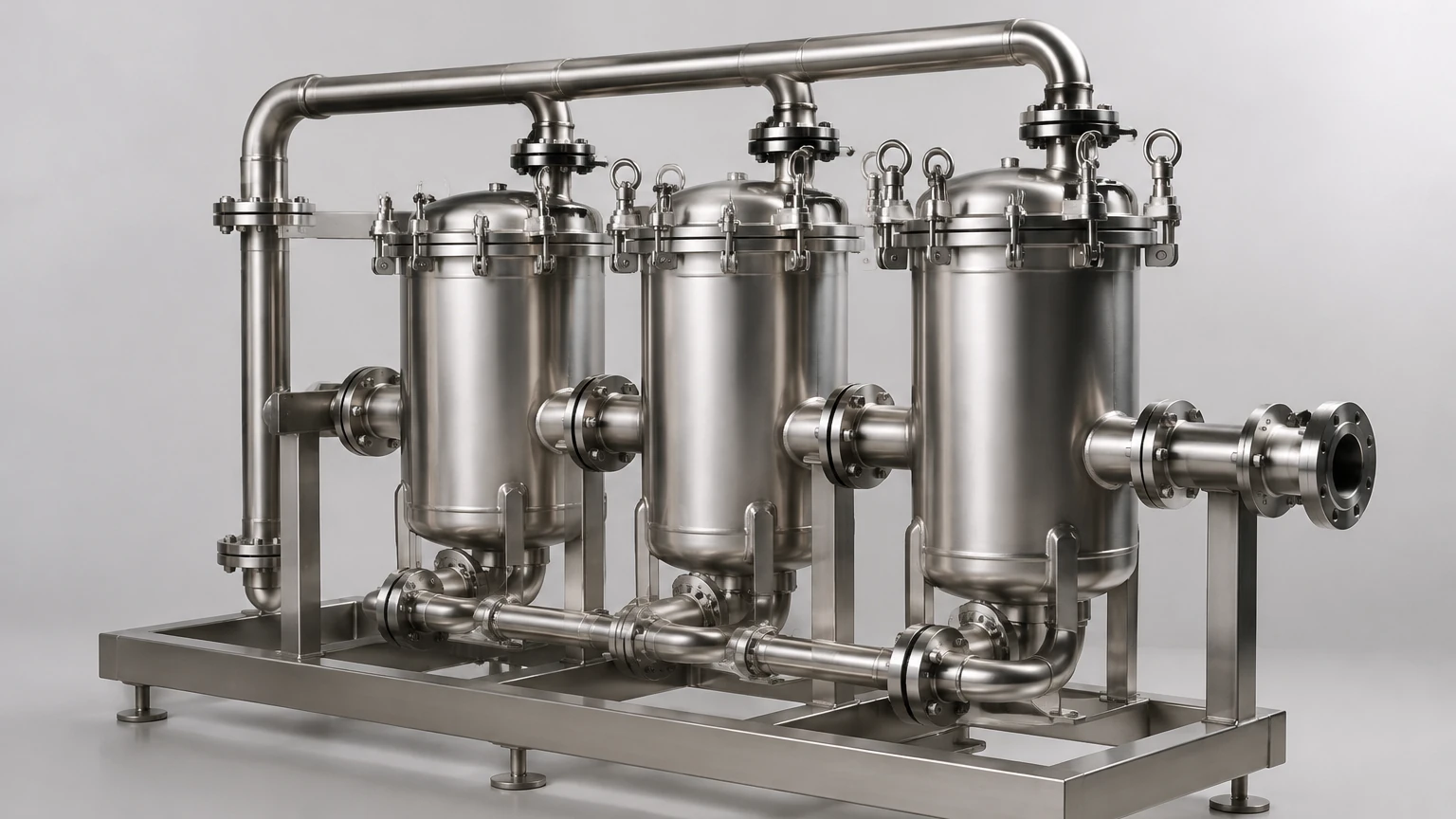
In modern industrial processing, the demand for efficiency, modularity, and precision has led to the widespread adoption of filtration skids. These self-contained, frame-mounted systems integrate all the necessary components for a complete filtration process, including housings, pumps, valves, instrumentation, and control systems. For engineers and procurement professionals in sectors such as chemical processing, pharmaceuticals, and water treatment, understanding the technical nuances of these systems is essential for optimizing fluid purity and operational uptime.
Filtration skids are designed to be "plug-and-play" solutions. By consolidating multiple filtration stages and supporting hardware into a single transportable unit, manufacturers can significantly reduce onsite installation time and labor costs. However, the performance of these systems is fundamentally dictated by the quality of the internal filtration media and the engineering of the fluid path.
Understanding the Architecture of Industrial Filtration Skids
The primary advantage of a filtration skid is its integrated design. A standard industrial skid typically consists of a structural steel frame (often stainless steel for sanitary or corrosive environments) that supports the entire assembly. Within this frame, several key sub-systems work in tandem:
1. Filtration Vessels and Housings: These are the pressure-rated containers that hold the filter elements. Depending on the application, a skid may feature single-bag housings, multi-round cartridge housings, or specialized high-pressure vessels.
2. Piping and Manifolds: The layout of the piping is critical for managing flow velocity and minimizing turbulence. Manifolds allow for parallel or series operation, enabling the system to handle varying flow rates or provide multi-stage (coarse to fine) filtration.
3. Fluid Handling Components: Pumps are often integrated directly onto the skid to ensure the correct pressure and flow rate are maintained across the filter media. Check valves, butterfly valves, and pressure relief valves provide the necessary control and safety mechanisms.
4. Instrumentation and Automation: Modern filtration skids are equipped with differential pressure gauges, flow meters, and turbidity sensors. These components feed data into a Programmable Logic Controller (PLC), which can automate backwashing cycles or alert operators when a filter change-out is required.
By centralizing these components, engineers can ensure that the system is factory-tested for leaks and performance before it ever reaches the plant floor. This modular approach is particularly beneficial for expanding existing facilities where floor space is at a premium.
The Role of Stainless Steel Filtration Components
While the frame and pumps provide the infrastructure, the core functionality of filtration skids relies on the filter elements themselves. Stainless steel is the preferred material for high-performance industrial applications due to its mechanical strength, thermal stability, and chemical resistance.
Custom stainless steel filter cartridges and wire mesh filters are the workhorses within these skids. Unlike polymer-based filters, stainless steel elements can withstand extreme temperatures and high differential pressures without compromising structural integrity. This makes them indispensable in hydraulic systems, steam filtration, and aggressive chemical processing.
There are several types of stainless steel media used within a skid:
* Sintered Wire Mesh: Multiple layers of wire cloth are bonded together through heat and pressure to create a robust, porous medium with precise filtration ratings.
* Wedge Wire: Ideal for high-load applications, wedge wire screens offer excellent backwashing capabilities and resistance to plugging.
* Pleated Metal Mesh: By pleating the stainless steel mesh, the available surface area is significantly increased, allowing for higher flow rates and longer intervals between cleaning.
For those seeking specific technical data on these components, the Main Page of the Kaifil website provides detailed specifications on material grades and filtration accuracies.
Engineering Considerations for System Integration
When designing or selecting filtration skids, engineers must look beyond simple flow rates. Several critical engineering factors influence the long-term success of the installation:
Pressure Drop (Delta P)
Every filter medium introduces resistance to flow. The clean pressure drop must be calculated to ensure the integrated pump can provide sufficient head. As the filter accumulates contaminants, the pressure drop increases. The skid must be engineered to handle the maximum allowable differential pressure before the filter elements deform or the flow becomes insufficient for the downstream process.
Filtration Accuracy and Efficiency
It is vital to distinguish between nominal and absolute filtration ratings. A nominal rating refers to the ability of the filter to retain a major percentage of particles of a certain size, whereas an absolute rating indicates that 99.9% or more of particles above a specific micron size are captured. In critical pharmaceutical or food and beverage applications, absolute-rated stainless steel cartridges are often required to ensure product safety.
Flow Velocity and Residence Time
High flow velocities can sometimes force contaminants through the filter media or cause erosion in the piping. Filtration skids must be sized to maintain a velocity that balances throughput with filtration efficiency. In applications involving chemical reactions or coalescence, the residence time within the vessel is also a key design parameter.
Material Compatibility and Environmental Durability
The choice of materials for a filtration skid is dictated by the fluid being processed and the external environment. In many industrial settings, the risk of corrosion is a primary concern.
* 304 Stainless Steel: Suitable for many general-purpose applications, including water treatment and some food processing.
* 316L Stainless Steel: Contains molybdenum, which provides superior resistance to chlorides and organic acids. This is the standard for marine environments, pharmaceutical manufacturing, and aggressive chemical skids.
* Specialty Alloys: For highly corrosive environments involving concentrated acids or high-temperature gases, alloys like Hastelloy or Monel may be integrated into the filter elements.
Beyond the metal components, the seals and gaskets (O-rings) must also be compatible with the process fluid. Common materials include Viton, EPDM, and PTFE. A failure in seal compatibility can lead to bypass—where unfiltered fluid leaks around the filter element—rendering the entire skid ineffective.
Operational Maintenance and Filter Replacement Cycles
A significant factor in the total cost of ownership (TCO) for filtration skids is the maintenance protocol. Because these systems are often critical to production, downtime must be minimized.
Stainless steel filters offer a distinct advantage here: cleanability. Unlike disposable depth filters, many stainless steel wire mesh elements can be cleaned via ultrasonic baths, chemical cleaning, or backpulsing. This extends the lifecycle of the media from weeks to years, significantly reducing waste and procurement costs.
Engineers should establish clear replacement or cleaning cycles based on differential pressure readings. If a skid is designed with a duplex arrangement (two identical filtration lines), one side can be serviced while the other remains in operation, ensuring continuous production. When selecting a partner for these components, it is essential to confirm the availability of custom designs that fit existing housings to simplify the replacement process.
Selecting a Custom Filtration Solution
Not every industrial process can be served by an off-the-shelf solution. Customization is often required to meet specific spatial constraints, unique fluid properties, or stringent regulatory standards. When evaluating filtration skids and their components, purchasing teams should confirm several key details with their suppliers:
* OEM Capabilities: Can the manufacturer produce filter elements that meet the exact dimensions and performance specs of the original equipment?
* Quality Documentation: For regulated industries, material mill certificates, pressure test reports, and certificates of conformance are non-negotiable.
* Technical Support: Does the supplier provide engineering guidance on micron ratings and material selection based on the specific application?
By focusing on these technical details, organizations can invest in filtration systems that not only meet current needs but also provide the durability required for years of industrial service. Whether the application involves protecting high-pressure hydraulic components or ensuring the purity of a chemical catalyst, the synergy between the skid's design and the quality of its stainless steel filtration elements is the key to operational success.
For more information on customized filtration components and industrial solutions, please visit the Main Page.
