


Filtros De Vapor
In industrial thermal processing, steam is a primary medium for heat transfer, sterilization, and power generation. However, the efficiency of a steam system is heavily dependent on the purity of the steam itself. Contaminants such as pipe scale, rust, and sediment can compromise equipment integrity and product safety. This is where the implementation of high-quality filtros de vapor (steam filters) becomes essential. For engineers and facility managers, understanding the technical nuances of steam filtration is critical for maintaining system longevity and meeting stringent regulatory standards in sectors like food processing, pharmaceuticals, and chemical manufacturing.
Industrial steam is rarely pure. As steam travels through carbon steel or even stainless steel piping, it picks up particulates. Furthermore, the water treatment process itself may introduce chemicals or carryover from the boiler. Without effective filtration, these impurities can cause erosion in control valves, plug heat exchanger surfaces, and contaminate end products. Selecting the right filtration solution requires a deep dive into material science, fluid dynamics, and specific application requirements.
The Role of Filtros de Vapor in Industrial Systems
The primary function of filtros de vapor is to remove solid particles from the steam flow. This process is not merely about protection; it is about optimizing the entire thermal cycle. When particulates are allowed to circulate, they act as abrasive agents, gradually wearing down the internal components of high-precision valves and regulators. This leads to internal leakage and loss of control accuracy, which can disrupt sensitive industrial processes.
In applications involving direct steam injection—common in the food and beverage industry—the steam comes into direct contact with the product. In these scenarios, the steam must meet "culinary grade" standards. This necessitates a filtration level capable of removing 95% of all particles larger than 2 microns. For non-contact applications, such as heating jackets or heat exchangers, the filtration requirements may be less stringent, focusing instead on protecting downstream hardware from large-scale debris and rust.
Classifying Steam Quality: Culinary vs. Process Steam
Before selecting a filter, it is vital to define the required steam quality. Generally, industrial steam is categorized into three main types:
1. Process Steam: Used in indirect heating applications. The primary goal of filtration here is to protect equipment like pressure-reducing valves (PRVs) and steam traps. Filtration levels typically range from 25 to 50 microns.
2. Culinary Steam: Used where steam contacts food products or surfaces. It must be free of entrained liquid water and solid contaminants. This usually requires a sintered stainless steel filter element capable of 5-micron or finer filtration to comply with 3-A Sanitary Standards.
3. Pure or Clean Steam: Often found in the pharmaceutical industry for sterilization (SIP – Sterilization in Place). This steam is produced from deionized or distilled water and requires high-purity stainless steel filters to ensure no metallic or particulate contamination is introduced into the sterile environment.
Understanding these distinctions allows engineers to specify the correct micron rating and housing material, ensuring the Main Page of their filtration strategy aligns with operational goals.
Material Engineering for High-Temperature Filtration
The harsh environment of a steam line—characterized by high temperatures, pressure fluctuations, and potential chemical aggressiveness—demands robust materials. Stainless steel is the industry standard for filtros de vapor due to its exceptional thermal stability and corrosion resistance.
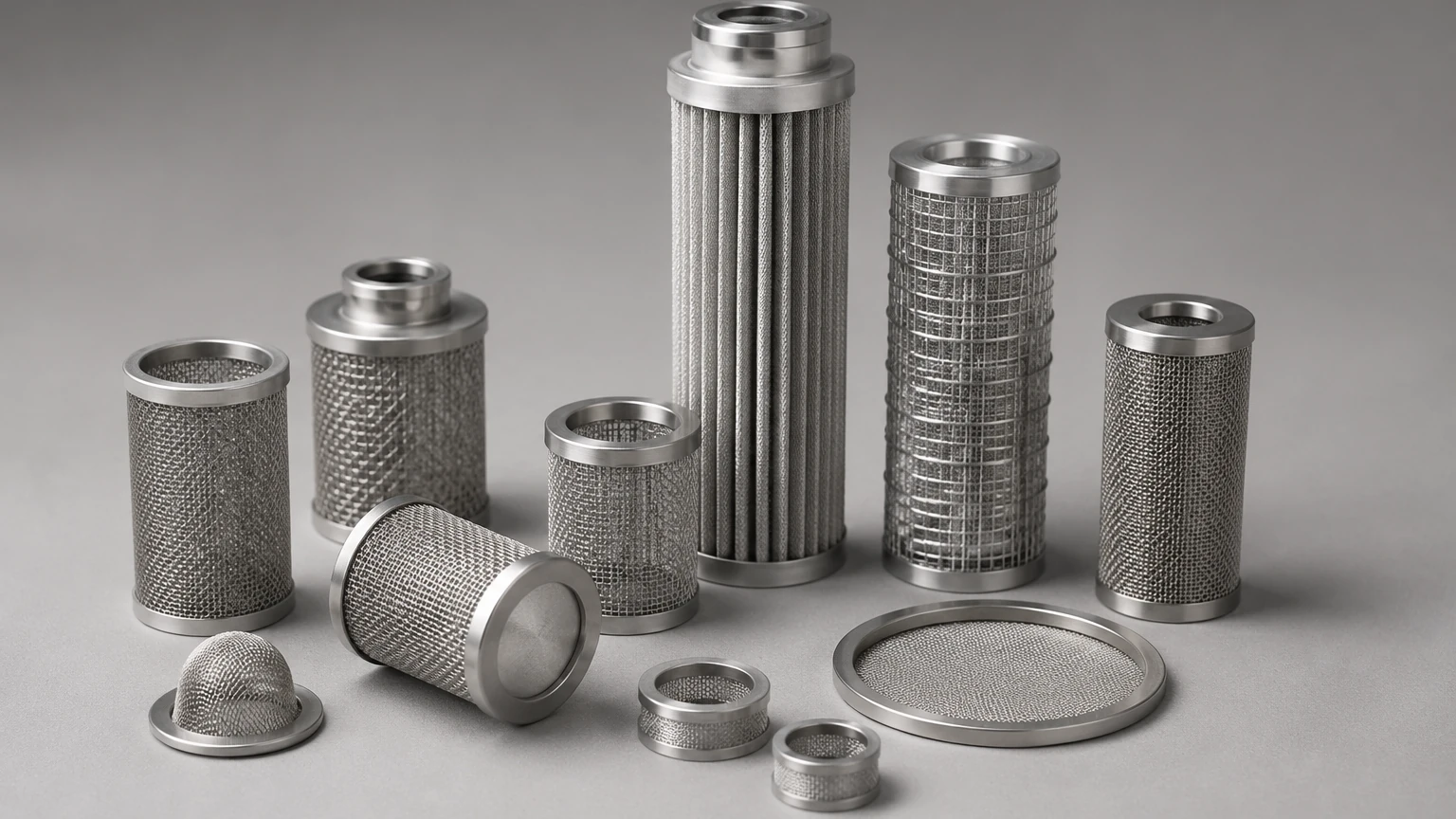
Sintered Stainless Steel Mesh
Sintered mesh elements are created by layering multiple sheets of stainless steel wire cloth and bonding them through a high-temperature sintering process. This creates a porous, metallic structure that is incredibly strong and resistant to pressure shocks. Unlike disposable fiber filters, sintered mesh can withstand repeated cleaning cycles and backwashing, making it a cost-effective long-term solution for industrial steam.
Sintered Metal Powder
For finer filtration requirements, sintered metal powder elements are often used. These are formed by compressing stainless steel powder into a mold and sintering it. The resulting structure provides a tortuous path for contaminants, offering high dirt-holding capacity and precise micron ratings. These are particularly effective in culinary and pharmaceutical applications where sub-micron or low-micron efficiency is mandatory.
Critical Performance Metrics: Micron Ratings and Pressure Drop
When evaluating filtros de vapor, two technical metrics are paramount: the micron rating and the differential pressure (Delta P).
Absolute vs. Nominal Micron Ratings
In the context of steam, an "absolute" rating indicates that the filter will trap 99.9% of particles at the specified size. A "nominal" rating is more of an average and may allow a percentage of particles through. For critical process protection, absolute-rated sintered elements are preferred to ensure consistent steam quality.
Managing Pressure Drop
Every filter introduces a restriction in the flow, resulting in a pressure drop. In steam systems, an excessive pressure drop can lead to reduced temperature at the point of use, as steam temperature is directly linked to its pressure. Engineers must size the filter housing and element to ensure that the initial pressure drop is minimal—typically less than 1 to 2 psi. As the filter accumulates debris, the pressure drop will increase. Monitoring this Delta P is the most effective way to determine when the filter element requires cleaning or replacement.
Mitigating Risks in Steam Distribution
Improperly filtered steam poses several risks that can lead to significant financial losses. One of the most common issues is "wire drawing," where high-velocity particulates erode the seating surfaces of valves, leading to permanent damage. Additionally, if steam is used for sterilization in autoclaves, poor filtration can result in "wet steam" or contaminated loads, necessitating expensive re-processing.
Furthermore, the presence of rust and scale can lead to the failure of steam traps. When a steam trap fails in the closed position, condensate backs up into the system, leading to water hammer—a violent physical shock that can rupture pipes and fittings. By installing robust filtros de vapor upstream of critical components, these risks are substantially mitigated, ensuring a safer and more predictable operating environment.
Selection Criteria for Filter Housings
The housing that holds the filter element is just as important as the element itself. For steam applications, the housing must be rated for the maximum operating pressure and temperature of the system. Common considerations include:
* Material Compatibility: 304 or 316L stainless steel is preferred for its longevity and resistance to the corrosive nature of condensate.
* Connection Types: Depending on the piping standards, housings may feature NPT threads, flanged connections, or sanitary tri-clamp fittings.
* Condensate Drainage: Steam filter housings should ideally be equipped with a drain port at the bottom. This allows for the removal of accumulated condensate, preventing it from re-entraining into the steam flow or blinding the filter element.
Maintenance Protocols and Cleaning Methods
One of the primary advantages of stainless steel filtros de vapor is their cleanability. Unlike polymer-based filters that must be discarded, metal elements can often be restored to near-original performance levels.
Ultrasonic Cleaning
For sintered elements, ultrasonic cleaning is the most effective method. The high-frequency sound waves create cavitation bubbles that dislodge deeply embedded particles from the porous structure. This is particularly useful for removing fine scale and carbonized deposits.
Chemical Cleaning
In cases where the contaminants are organic or chemical in nature, a compatible solvent or acid wash may be used. It is crucial to verify that the cleaning agent will not degrade the stainless steel or the sealing gaskets (typically EPDM or Viton).
Backwashing
In some automated systems, the flow can be momentarily reversed to flush particles off the surface of the filter. While effective for surface-loading wire mesh, it may not be sufficient for depth-loading sintered powder elements.
Total Cost of Ownership (TCO) Considerations
While the initial investment in high-quality stainless steel filtros de vapor may be higher than disposable alternatives, the Total Cost of Ownership is significantly lower. The durability of metal elements reduces the frequency of replacements, lowers waste disposal costs, and minimizes system downtime. Furthermore, the protection provided to expensive downstream valves and heat exchangers results in lower overall maintenance budgets for the entire steam plant.
When sourcing these components, it is essential to partner with a manufacturer that understands the complexities of industrial filtration. Customization options—such as specific micron ratings, specialized housing geometries, and OEM-compatible designs—allow for a filtration solution that is perfectly tailored to the unique demands of the facility.
Conclusion
Effective steam filtration is a cornerstone of industrial efficiency and product safety. By implementing high-performance filtros de vapor, engineers can protect their infrastructure, ensure compliance with sanitary standards, and optimize heat transfer processes. Whether the application calls for process-grade protection or culinary-grade purity, the selection of the correct stainless steel filtration media is a technical decision that impacts the reliability of the entire system. For those looking to upgrade their current filtration setup or design a new steam distribution network, exploring professional product options and application support on the Main Page is the first step toward achieving superior steam quality.
