


Fine Screen
In industrial filtration and separation processes, the implementation of a fine screen is a critical step in ensuring fluid purity, protecting downstream equipment, and maintaining process efficiency. Unlike coarse screens used for large debris removal, fine screens are engineered to capture smaller particulates, typically ranging from a few millimeters down to several microns. For engineers and procurement teams, selecting the correct fine screen involves a deep understanding of material properties, hydraulic dynamics, and the specific requirements of the application environment.
As a specialized manufacturer of stainless steel filtration solutions, Kaifil provides precision-engineered components designed to meet these rigorous industrial standards. By focusing on durability and filtration accuracy, these components support critical operations in chemical processing, water treatment, and food production.
Understanding Fine Screen Technology in Industrial Filtration
A fine screen serves as a mechanical barrier that separates solids from liquids or gases. The term "fine" generally refers to the aperture size, which is significantly smaller than that of primary or coarse screening systems. In most industrial contexts, fine screening occurs after initial debris removal but before secondary or tertiary treatment stages like membrane filtration or chemical purification.
Types of Fine Screen Media
The construction of the screening media determines its performance characteristics. The most common types include:
1. Wedge Wire Screens: Constructed from V-shaped profiles welded onto support rods. These are highly resistant to clogging due to their widening aperture design, which allows particles to pass through easily once they clear the initial contact point.
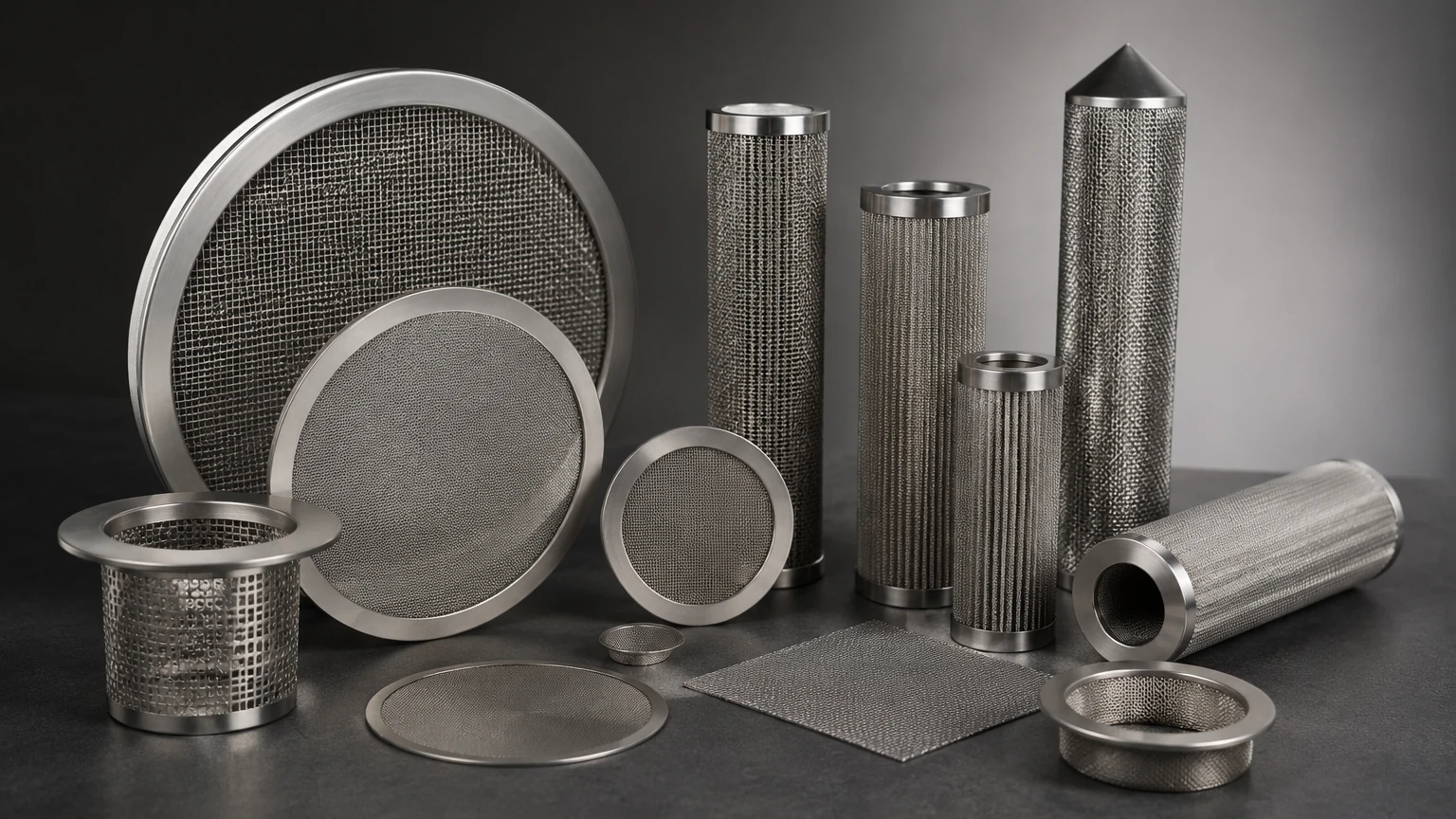
2. Woven Wire Mesh: Created by weaving stainless steel wires into various patterns (plain, twill, or dutch weave). This media offers the highest precision for very small micron ratings and is a staple in pharmaceutical and food-grade applications.
3. Perforated Metal: Metal sheets with punched holes. While generally more robust than mesh, they typically offer less open area and are used when structural integrity is the primary concern.
For those evaluating these options, the Main Page of Kaifil offers a comprehensive overview of how different media types are integrated into custom filtration cartridges and components.
Key Engineering Considerations for Fine Screen Selection
Selecting a fine screen is not merely about choosing a hole size; it requires a holistic evaluation of the system's hydraulic and mechanical demands. Engineers must balance filtration efficiency with the physical constraints of the installation.
Micron Rating and Capture Efficiency
The micron rating defines the size of particles the screen is intended to retain. It is essential to distinguish between nominal and absolute ratings. A nominal rating indicates the screen's ability to retain the majority of particles of a certain size, while an absolute rating guarantees that no particle larger than the specified size will pass. In high-precision industries like chemical processing, absolute ratings are often required to prevent downstream contamination.
Open Area and Flow Velocity
The "open area" is the percentage of the screen surface that is not obstructed by wire or metal. A higher open area results in a lower pressure drop and higher flow capacity. However, increasing the open area often requires thinner wires, which can compromise the structural durability of the screen. Engineers must calculate the approach velocity—the speed at which the fluid hits the screen—to ensure it does not exceed limits that could cause particle "breakthrough" or premature wear.
Pressure Differential (Delta P)
Every fine screen introduces a resistance to flow, measured as pressure drop. As the screen captures solids, this pressure drop increases. The system must be designed to handle the maximum expected differential pressure before cleaning or replacement is required. If the Delta P becomes too high, the screen may deform or collapse, leading to catastrophic system failure.
Material Science: Why Stainless Steel is the Standard
In demanding industrial environments, the material of the fine screen is as important as its geometry. Stainless steel remains the industry standard due to its unique combination of mechanical strength and chemical resistance.
Grade 304 vs. Grade 316L
* SS304: Suitable for general industrial use where corrosion risk is moderate. It provides excellent strength and is cost-effective for water treatment and standard hydraulic applications.
* SS316L: Contains molybdenum, which provides superior resistance to chlorides and acids. This grade is essential for marine environments, chemical processing plants, and any application involving high-temperature or corrosive fluids. The "L" denotes low carbon, which improves weldability and prevents intergranular corrosion in the heat-affected zones of the screen.
Temperature and Chemical Compatibility
Unlike polymer-based screens, stainless steel fine screens can operate at extreme temperatures, often exceeding 400°C (750°F), depending on the mounting and housing. They are also non-reactive with most industrial solvents, making them ideal for the pharmaceutical and food and beverage sectors where material leaching is a critical concern.
Operational Efficiency and Maintenance Protocols
The total cost of ownership for a fine screen is heavily influenced by its maintenance requirements and service life. A screen that clogs frequently or is difficult to clean will lead to increased downtime and labor costs.
Cleaning Mechanisms
Fine screens are typically cleaned using one of three methods:
1. Backwashing: Reversing the flow of fluid to dislodge particles from the surface. This is common in automated systems.
2. Mechanical Scrapers: Physically removing solids from the screen surface, often used in high-solids loading applications.
3. Ultrasonic Cleaning: Used for fine wire mesh that has become blinded by sub-micron particles. This is typically done offline in a specialized cleaning bath.
Monitoring Wear and Tear
Regular inspection is vital. In abrasive environments, such as mining or heavy industrial wastewater, the wires of a fine screen can thin over time, leading to an increase in the effective aperture size. This "media migration" or bypass can go unnoticed without regular integrity testing or pressure monitoring. Establishing a replacement cycle based on historical Delta P data is a best practice for maintaining system reliability.
Customization and OEM Integration for Specialized Applications
Many industrial systems require a fine screen that does not fit standard off-the-shelf specifications. Customization allows for the optimization of the filter’s geometry to fit existing housings or to meet unique flow requirements.
Tailored Structural Support
For high-pressure applications, a fine screen mesh may be sintered (thermally bonded) to a coarser support layer. This creates a multi-layer composite that combines the precision of a fine screen with the rigidity of a heavy plate. Custom-designed internal supports or external cages can also be engineered to prevent deformation under fluctuating loads.
OEM Collaboration
Working with an OEM manufacturer like Kaifil allows engineering teams to integrate filtration components directly into their equipment designs. This collaborative approach ensures that factors such as seal compatibility, mounting flange specifications, and flow distribution are addressed during the design phase rather than as an afterthought. Whether it is a specific diameter for a hydraulic cartridge or a unique mesh weave for a pharmaceutical centrifuge, custom fabrication ensures the component performs exactly as intended in the field.
Conclusion: Selecting the Right Solution
Implementing an effective fine screen is a balance of precision engineering and practical durability. By understanding the nuances of micron ratings, material grades, and hydraulic impact, technical professionals can select a filtration solution that protects their equipment and optimizes their process.
For organizations looking to enhance their filtration performance, the focus should remain on high-quality materials and proven manufacturing techniques. Reliable components not only ensure the purity of the end product but also safeguard the longevity of the entire industrial system. To explore specific product configurations and technical data, engineers are encouraged to review the available resources and support options on the Kaifil Main Page, where technical expertise meets advanced manufacturing capabilities.
